 Moto Leather Jackets
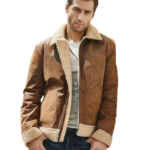 Men’s Moto Leather Jackets
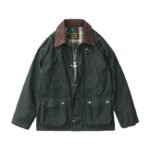 Faux Moto Leather Jacket
 Vintage Moto Leather Jacket
 Women’s Moto Leather Jackets
 Faux Moto Leather Jacket
 Vintage Moto Leather Jacket Women
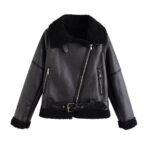 Cropped Moto Leather Jacket Women
 Leather Belts
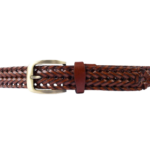 Men’s Leather Belts
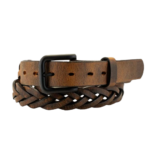 Full-Grain Leather Belt – Men
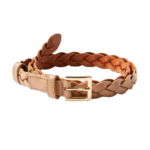 Braided Leather Belt – Men
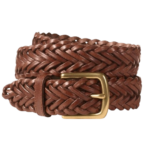 Leather Dress Belt – Men
 Leather Wallets
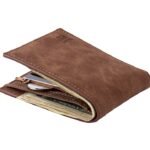 Tri-Fold Leather Wallets
 Saddleback Leather Wallets
Faux Leather vs Real Leather Jacket: The Truth Nobody Is Telling You

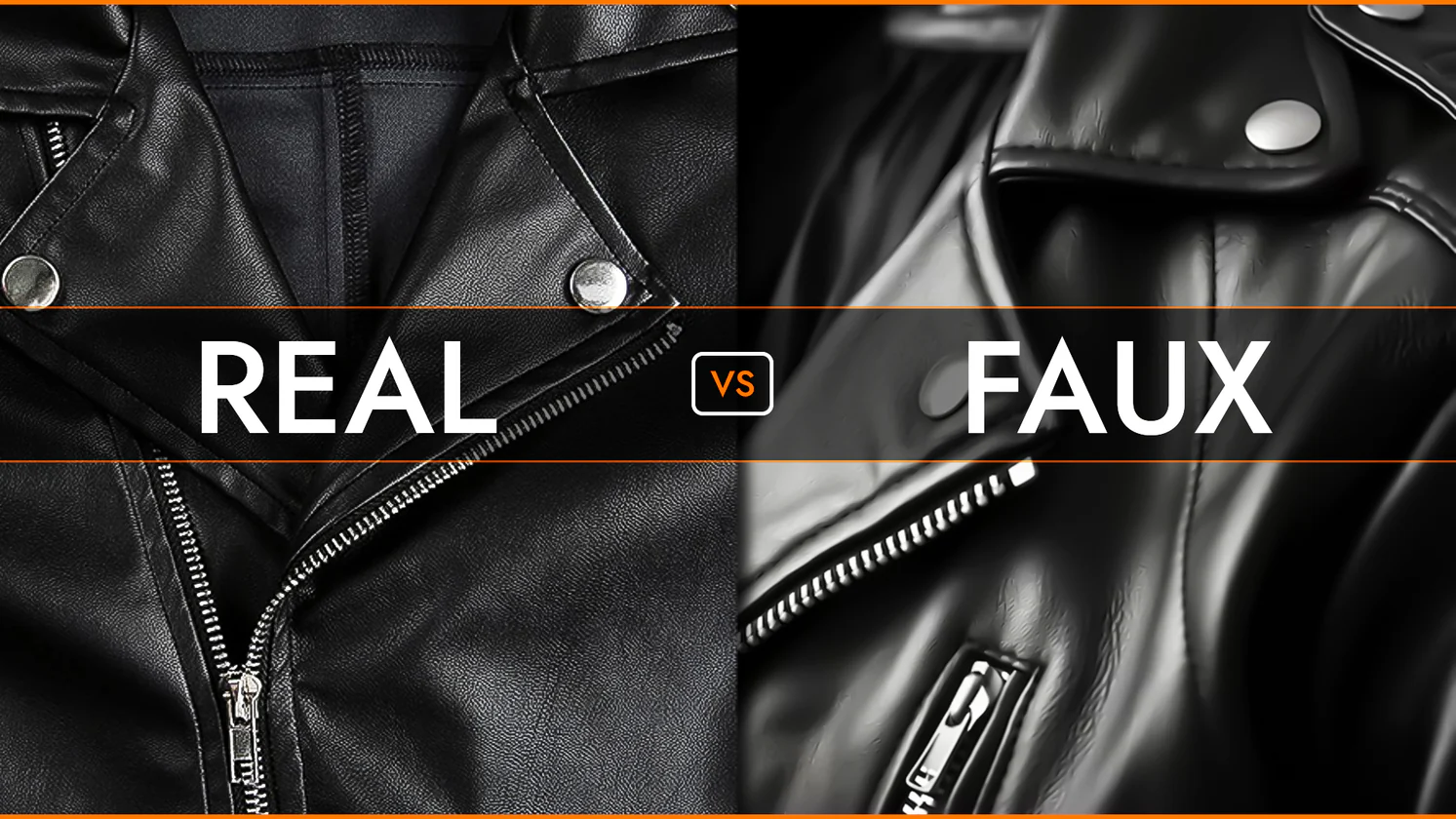
You’re standing in the checkout lane of your favorite online store. You’ve found the jacket. It looks incredible. The silhouette is perfect, the color is right, and the price is shockingly reasonable. Then you scroll down to the product details and see it: “100% PU Leather.”
And now you have questions.
Is faux leather vs real leather jacket even a real debate, or is one side clearly winning? Are you throwing money away by going faux? Or is real leather an overpriced flex that only gear snobs actually care about?
At Outer Edition, we carry both. We are not here to sell you one side of the argument. We are here to give you the full, unfiltered breakdown so you can spend your money like someone who actually knows what they are doing. Let’s get into it.
First Things First: What Are We Actually Talking About?
Before the faux leather jacket vs real leather showdown begins, you need to understand what these two materials actually are.
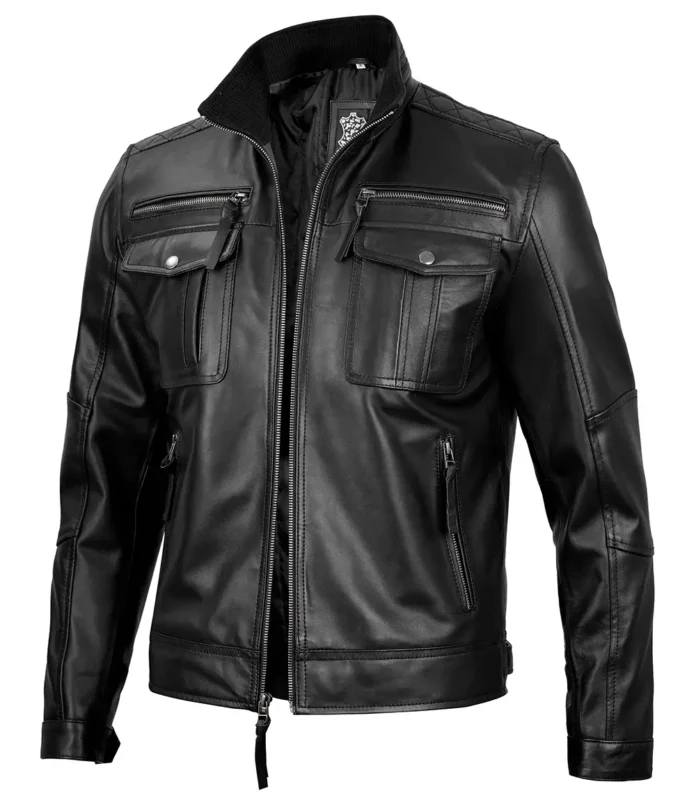
Real leather is exactly what it sounds like. It is made from animal hide, most commonly from cattle, goats, or sheep. The hide goes through a tanning process that converts the raw skin into the durable, flexible material you wear. It is a natural product with a natural grain, natural imperfections, and a natural smell that no factory has ever successfully replicated.
Faux leather is a synthetic material engineered to look like real leather. It is typically made from polyvinyl chloride (PVC) or polyurethane (PU). The surface is manufactured to mimic leather’s texture, but the base material is essentially a form of plastic layered onto a fabric backing. Some people call it fake leather, artificial leather, or, the trendy current buzzword, “vegan leather.” Different names, same synthetic product.
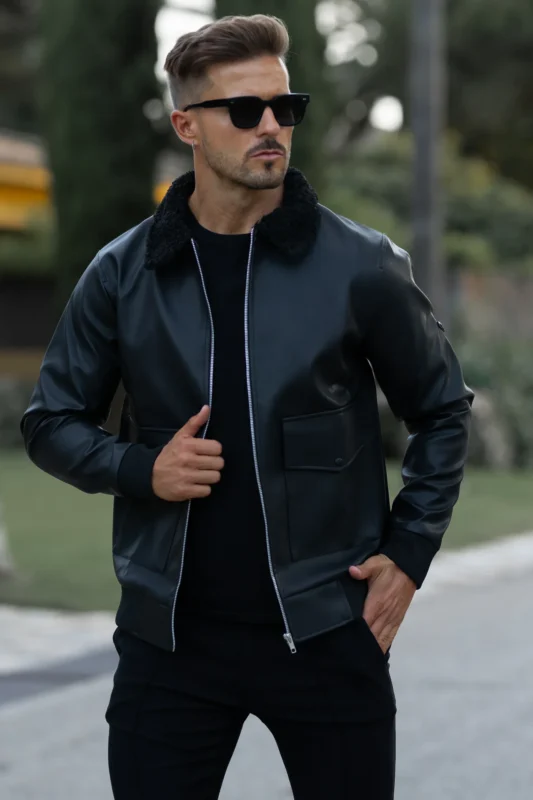
Now that you know what you are actually comparing in the real leather vs faux leather jacket debate, here is how they stack up across every category that matters.
Round 1: Texture and Feel
Put a real leather jacket in your hands and then pick up a faux leather jacket. The difference is immediate and unmistakable.
Real leather feels alive. Press your finger into the surface and it responds like skin — it stretches slightly, wrinkles a little, and then returns to its natural state. The surface is not perfectly uniform. There are subtle variations in the grain, small natural blemishes, and a warmth to the touch that synthetic materials simply cannot produce.
Faux leather feels like what it is. The surface is unnaturally even. When you press your finger into it, the material depresses and holds its shape without any of the organic give that real hide delivers. Run your hand across it and it feels cold and plasticky, even when the visual appearance is convincing.
Winner: Real leather, and it is not close.
Round 2: The Smell Test (This One Is Definitive)
Here is the single fastest way to determine whether something is real leather or faux leather. Smell it.
Real leather has one of the most recognizable and genuinely pleasant scents in the material world. It is earthy, organic, slightly sweet, and deeply satisfying. It is the smell of quality. There is no chemical formula on earth that accurately reproduces it.
Faux leather smells like a brand-new shower curtain. That sharp, plasticky, chemical odor comes from the PVC or PU manufacturing process and the heavy treatments applied to the synthetic base. Some faux leathers are better than others, but the underlying synthetic smell is always there.
If you are ever in a shop debating a faux vs real leather jacket and you cannot tell by looking, trust your nose. It will not lie to you.
Winner: Real leather, and your nose will confirm it every time.
Round 3: Durability and Longevity
This is where the real leather vs faux leather jacket conversation gets financially serious.
A well-maintained real leather jacket does not just last a long time. It can last for decades. Twenty years of daily wear on a quality piece of cowhide or horsehide will not destroy the jacket. In fact, it will improve it. Real leather develops a patina over time — a unique sheen and character created by exposure to sunlight, moisture, and the natural oils from your skin. Every scratch, every crease, every weather mark adds to the story of the jacket. It becomes more valuable and more personal the longer you wear it.
Faux leather works on an entirely different timeline. It looks great in year one. It starts showing its age in year two or three. By year four or five, it is peeling, cracking, and flaking in ways that cannot be repaired. The synthetic materials degrade from the inside out, and no amount of conditioning or care can stop the process. When a faux leather jacket starts to go, it goes fast and it goes ugly.
Winner: Real leather, by a significant margin.
Round 4: Comfort and Breathability
Real leather is a natural material, and natural materials breathe. This means real leather regulates temperature more effectively than synthetic alternatives. It is warmer in cold weather and more comfortable in mild weather because air can circulate through the material. It also softens and molds to your body over time, meaning the jacket gets more comfortable the more you wear it.
Faux leather does not breathe. The synthetic base essentially seals you in, which can make it uncomfortable in warmer conditions. It does not mold to your body the way real leather does, either. The fit you have on day one is the fit you will have on day five hundred, assuming the material has not started to deteriorate by then.
Winner: Real leather, especially for riders and long-wear situations.
Round 5: Appearance Over Time
Out of the box, a good quality faux leather jacket can look nearly identical to a real leather jacket. This is the honest truth. The manufacturing technology has improved enormously, and a high-quality PU jacket can fool most people at first glance.
But time reveals everything.
Real leather ages beautifully. The patina that develops over years of wear is unique to each jacket and each wearer. No two pieces age the same way. A vintage real leather jacket from the 1970s still looks incredible because the material was built to endure.
Faux leather ages terribly. The glossy, slightly artificial appearance that was passable in year one becomes cracked, faded, and peeling in year three. There is no vintage faux leather jacket hanging in anyone’s collection. They do not last long enough to become vintage.
Winner: Real leather, especially if you are playing the long game.
Round 6: Maintenance
Both materials require some care, but the approach is completely different.
Real leather needs conditioning. A good leather conditioner applied a few times per year keeps the hide supple, prevents cracking, and maintains its natural oils. Beyond that, real leather is naturally resistant to stains and dirt, meaning it sheds everyday grime more easily than most materials. If you invest five minutes of care every few months, a real leather jacket will reward you for decades.
Faux leather is easier to clean on the surface. A damp cloth with mild soap handles most marks. However, you cannot condition a synthetic material because there are no natural oils to replenish. You can clean faux leather, but you cannot truly care for it the way you can real leather.
Winner: A draw. Faux leather is easier to clean. Real leather is more rewarding to maintain.
Round 7: Price and Long-Term Value
This is where most people make the mistake of choosing faux leather.
Yes, a faux leather jacket costs significantly less upfront. Sometimes 30% to 50% less than a comparable real leather piece. That looks like a smart financial decision on the surface.
But run the math over ten years.
A quality real leather jacket that costs $400 and lasts 20 years works out to $20 per year. A faux leather jacket that costs $150 and needs replacing every three to four years works out to over $40 per year — and that is before you factor in the declining quality of each replacement.
Real leather is not an expense. It is an investment. The jacket you buy today could be the jacket your kids fight over someday.
Winner: Real leather wins the long-term value game decisively.
Round 8: Environmental Impact (The Honest Version)
The “vegan leather” marketing does a very good job of making faux leather sound like the environmentally responsible choice. The reality is more complicated.
Most faux leather is made from polyvinyl chloride (PVC) or polyurethane (PU). The manufacturing process for these synthetic materials involves significant chemical production and is not environmentally neutral. Faux leather also degrades quickly and ends up in landfills at a much higher rate than real leather because it simply does not last.
Real leather sourced from responsibly managed cattle operations, where the hides are a by-product of the beef and dairy industries, has a significantly smaller environmental footprint than its critics suggest. The hides would otherwise be discarded. Using them for leather is arguably the more sustainable choice.
Neither option is perfect. But the “vegan leather is better for the planet” argument is more marketing than reality.
Winner: It depends on sourcing and manufacturing practices. Neither material gets a clean pass.
So When Does Faux Leather Actually Make Sense?
We told you we would be honest. Here is the honest part.
Faux leather makes genuine sense in specific situations.
- If you are someone who is ethically opposed to animal products under any circumstances, faux leather gives you the aesthetic without the compromise. That is a completely valid reason to choose it.
- If you need a jacket for occasional, casual wear and have no intention of riding in it, working in it, or putting it through any kind of real use, a quality faux leather jacket can look great for a few years at an accessible price point.
- If budget is your only constraint right now and a real leather jacket is not currently within reach, a faux leather jacket is a reasonable placeholder. Just go in with your eyes open about what you are buying and what its lifespan will be.
Faux leather is not the enemy. It is just a different product for different priorities.
The Outer Edition Take: We Carry Both, and Here Is Why
At Outer Edition, our collection includes both genuine leather and faux leather moto jackets because we respect that riders and style enthusiasts come from different places with different priorities.
Our real leather jackets are built for people who want gear that performs, protects, and gets better with every mile. These are the pieces you invest in once and wear for the rest of your life. They are built from quality hides, stitched for durability, and designed to become second-skin armor on the road.
Our faux leather jackets are built for style-first riders and everyday wearers who want the moto aesthetic in a lighter, more accessible package. They look sharp, they are easy to maintain, and they deliver the visual impact of a moto jacket without the investment level of premium hide.
The choice between a faux leather jacket vs real leather jacket is ultimately a conversation about how you live in your clothes. If your jacket is armor, choose real. If your jacket is style, both options have something to offer.
FAQs: Faux Leather vs Real Leather Jacket
Can you tell the difference between faux leather and real leather by looking?
High-quality faux leather can be very convincing at a glance. The most reliable test is touch and smell. Real leather has an organic feel and a natural scent that synthetic materials cannot replicate accurately.
Does faux leather peel?
Yes. Over time, the synthetic layers of faux leather separate and peel, particularly at high-flex areas like elbows, collars, and zipper edges. This is the most common sign that a faux leather jacket has reached the end of its life.
Is real leather better for riding?
For motorcycle riding specifically, real leather is significantly superior. Its abrasion resistance is far higher than synthetic materials, which is why serious riders and track-focused brands build almost exclusively in genuine cowhide, horsehide, or buffalo hide.
How do you maintain a real leather jacket?
Apply a quality leather conditioner every three to four months. Keep it away from prolonged direct sunlight and moisture. Store it on a wide hanger to maintain the shoulder shape. Wipe surface dirt with a dry or barely damp cloth. Never machine wash or tumble dry real leather.
Is vegan leather the same as faux leather?
Yes. “Vegan leather” is a marketing term for synthetic leather made from PVC or PU. There are some newer plant-based alternatives made from cork, pineapple fiber, or mushroom material, but these represent a very small fraction of the market and have different performance characteristics.
Keep Exploring at Outer Edition
Once you have sorted your material choice, the deeper questions begin. Curious about what to wear with a leather biker jacket to build a complete, head-to-toe look? We have a full guide on that. Still torn on color? Our breakdown of the brown vs black leather jacket debate will help you make that call with confidence. Wondering whether a bomber vs biker leather jacket better suits your riding style? We have covered that too. And if you are serious about performance gear, our guide to the best biker leather jacket brands will point you toward the names that actually deliver.
At Outer Edition, we build for riders and style-forward individuals who refuse to choose between looking good and being equipped. Whether you ride daily, ride occasionally, or just wear the jacket because it makes everything better, our collection has what you need.
Gear up. Ride out. Look like you mean it.