 Moto Leather Jackets
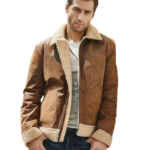 Men’s Moto Leather Jackets
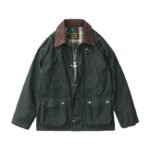 Faux Moto Leather Jacket
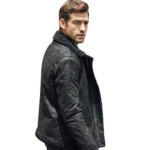 Vintage Moto Leather Jacket
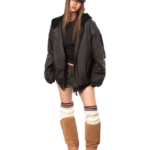 Women’s Moto Leather Jackets
 Faux Moto Leather Jacket
 Vintage Moto Leather Jacket Women
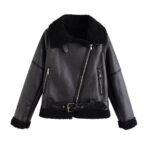 Cropped Moto Leather Jacket Women
 Leather Belts
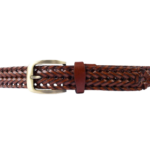 Men’s Leather Belts
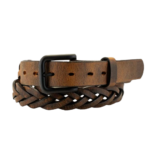 Full-Grain Leather Belt – Men
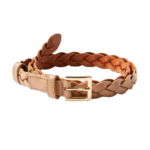 Braided Leather Belt – Men
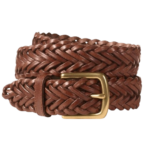 Leather Dress Belt – Men
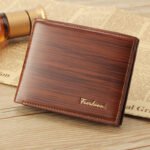 Leather Wallets
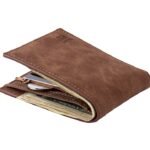 Tri-Fold Leather Wallets
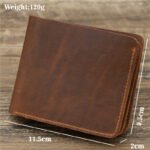 Saddleback Leather Wallets
Lambskin vs Goatskin Leather Jacket: Which Hide Is Right for You?

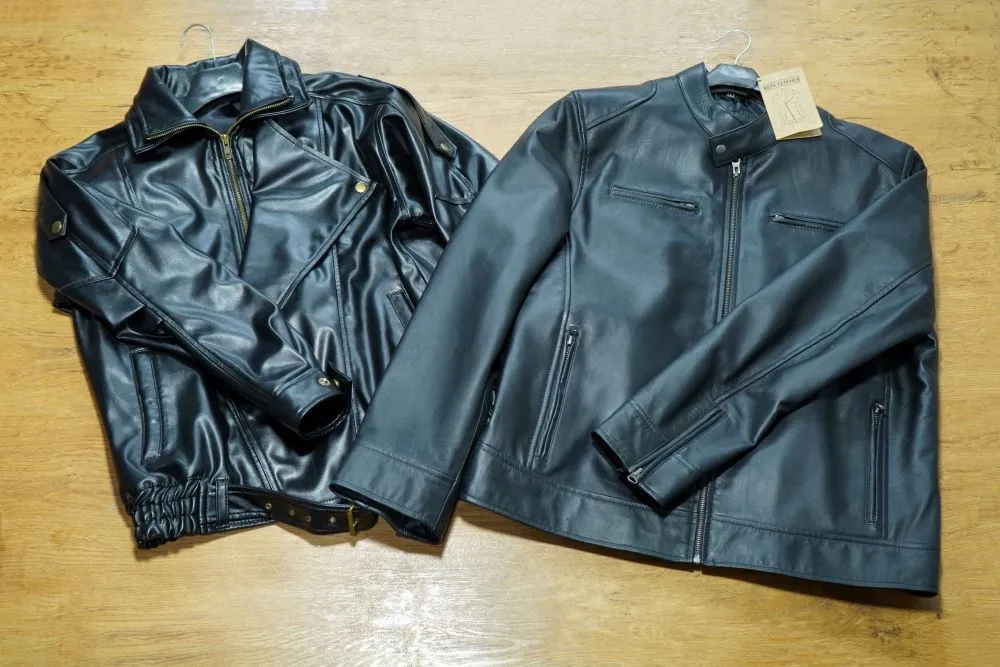
Most people walk into the leather jacket conversation thinking the only decision is the style. Biker or bomber. Black or brown. Fitted or relaxed. What they do not realize is that the most important decision happens before any of that — and it is the one that determines how the jacket feels on day one, how it protects you when it matters, and how it looks after ten years of serious wearing.
The lambskin vs goatskin leather jacket question is the decision that separates riders and style-conscious buyers who truly understand leather from everyone else who is simply guessing at the checkout screen.
Both are genuine, premium leather. Both come from real animal hides. Both are used by respected brands to build high-quality jackets. But they perform differently, feel different on the body, and suit different lifestyles in ways that matter enormously once you understand what to look for.
At Outer Edition, we work with genuine leather every day. Here is the complete, honest breakdown.
What Is Lambskin Leather?
Lambskin leather comes from young sheep and it is one of the softest, most luxurious natural materials available in garment manufacturing. The hide of a young sheep is significantly thinner and more supple than mature animal hides, which gives lambskin its signature buttery texture and featherlight feel.
From the moment you put on a lambskin leather jacket, the difference is unmistakable. There is virtually no break-in period. The material drapes, moves, and conforms to your body almost immediately. It has a naturally smooth, slightly matte surface finish and a quiet elegance that reads as refined rather than rugged.
Lambskin is the material of choice when the primary goals are softness, lightweight comfort, and a sleek, sophisticated appearance. It is the leather that luxury fashion houses reach for when they want to create something that feels genuinely exceptional against the skin.
What Is Goatskin Leather?
Goatskin leather comes from mature goats and it occupies a fascinating middle ground in the leather hierarchy — tougher and more resilient than lambskin, lighter and more flexible than cowhide.
The grain of goatskin is noticeably tighter than either lambskin or cowhide. That tight grain structure is what gives goatskin its distinctive combination of durability and suppleness. The surface has a natural gloss and texture that reads as polished and confident without the softness of lambskin or the heaviness of cowhide. Goatskin also tends to dry faster than other leathers after moisture exposure, which is a meaningful practical advantage for riders who encounter variable weather conditions.
Goatskin has been used in high-end motorcycle gear, gloves, and outerwear for decades precisely because it delivers serious protection without the weight penalty that cowhide carries.
The Head-to-Head Breakdown
1. Texture and Feel
The tactile difference between a lambskin vs goatskin leather jacket is one of the most immediately obvious distinctions in all of leatherwork.
Lambskin is the softer of the two by a meaningful margin. It is plush, smooth, and almost impossibly comfortable from the first time you wear it. The surface has a subtle matte quality that gives it a refined, understated appearance. Run your hand across a quality lambskin jacket and it feels genuinely luxurious in a way that few other materials can match.
Goatskin is firmer and more structured. The tighter grain creates a surface that feels more substantial and textured compared to lambskin. It has a natural sheen and gloss that gives goatskin jackets a more polished, assertive visual presence. The feel is still premium and comfortable, but it communicates toughness in a way that the softer lambskin does not.
Edge: Lambskin for softness and immediate comfort. Goatskin for structured feel and visual polish.
2. Durability and Protection
This is where the lambskin vs goatskin leather jacket conversation gets serious for riders.
Lambskin, despite its exceptional softness, is the less durable of the two materials. Its thinner hide and looser fiber structure make it more susceptible to abrasion, scratching, and tearing under stress. For city riders whose primary concern is style and everyday comfort, this is a manageable limitation. For riders who want serious protection in a slide scenario, lambskin falls short of what cowhide or even goatskin can provide.
Goatskin is considerably more durable than lambskin. The tight, dense grain structure gives goatskin meaningful abrasion resistance that makes it a genuinely credible choice for performance riding gear. It is not cowhide, which remains the gold standard for raw abrasion resistance, but goatskin is a serious protective material rather than a purely aesthetic one. Its fibrous grain structure resists tearing and maintains integrity under the kind of stress that everyday riding subjects a jacket to.
Edge: Goatskin, clearly, for protection and durability.
3. Weight and Mobility
Both lambskin and goatskin are significantly lighter than cowhide, and this is one of the primary reasons riders who prioritize mobility gravitate toward them over the heavier hide options.
Lambskin is the lighter of the two. A lambskin jacket feels almost weightless on the body compared to a full cowhide piece. This makes it exceptional for city riding, casual daily wear, and situations where you will be wearing the jacket on and off throughout the day without wanting to feel like you are carrying extra weight.
Goatskin adds a small amount of structure and weight compared to lambskin, but it remains a lightweight, flexible material that moves naturally with the body. Riders who want protection without the bulk and weight of cowhide frequently find that goatskin delivers the best balance of mobility and meaningful protection available in the genuine leather category.
Edge: Lambskin for featherlight feel. Goatskin for the best balance of mobility and protective weight.
4. Appearance and Style Energy
The visual difference between a lambskin and goatskin jacket is subtle but meaningful to anyone who knows what they are looking at.
Lambskin has a sleek, refined aesthetic. The smooth surface and slight matte finish give lambskin jackets a clean, almost understated luxury. They look expensive without shouting about it. Lambskin is the leather that works beautifully in fashion-forward cuts — cropped jackets, tailored fits, and streamlined silhouettes that prioritize elegance over edge.
Goatskin has a more pronounced surface texture and a natural gloss that reads as bolder and more characterful. A goatskin jacket communicates confidence and quality in a slightly more assertive way than lambskin. It bridges the gap between the softness of lambskin and the raw toughness of cowhide, delivering a polished yet rugged aesthetic that works across a wider range of contexts.
For the biker leather jacket silhouette specifically, goatskin often delivers a more authentic moto energy than lambskin, which can lean toward fashion over function in appearance.
Edge: Lambskin for refined luxury aesthetics. Goatskin for polished, versatile, character-forward style.
5. Weather Performance
Neither lambskin nor goatskin is a waterproof material without treatment, but they perform differently in varied conditions.
Lambskin is best suited to mild and cool weather. It is not a heavy-weather material. Extended exposure to rain or heavy moisture can damage lambskin more readily than tougher hides, and it requires careful drying and conditioning if it gets thoroughly wet. For warm, dry days in the city, lambskin is exceptional. For unpredictable riding conditions, it demands more careful management.
Goatskin handles variable conditions more effectively. Its tight grain structure resists moisture better than lambskin and the material dries faster after exposure to rain. It performs well across a wider range of climates and riding conditions, which is one of the reasons it has been a preferred material for quality motorcycle gloves and jackets in markets where weather reliability matters.
Edge: Goatskin for broader weather performance and resilience.
6. Break-in Period
The break-in difference between these two materials is one of the most practically significant factors for anyone making a first purchase.
Lambskin requires virtually no break-in period. The material is soft and supple from day one. You put on a quality lambskin jacket and it already moves with your body, drapes naturally, and feels broken in before you have even left the house. For buyers who dislike the stiff, structured feel of new leather and want immediate comfort, lambskin delivers that instantly.
Goatskin also breaks in relatively quickly compared to cowhide, but there is a short period where the structure of the material needs to soften slightly before reaching its optimal comfort level. The timeline is significantly shorter than cowhide, but it is worth knowing that the jacket will improve noticeably over the first few weeks of wear.
Edge: Lambskin for immediate out-of-the-box comfort.
7. Longevity and Aging
Both materials age beautifully when maintained correctly, but they follow different paths.
Lambskin develops a gentle patina over time. Because the surface is softer and more delicate, it also shows signs of wear more visibly than harder hides. Scratches and scuffs are more apparent on lambskin than on goatskin. With proper care this can be managed, but lambskin does require more attentive maintenance to remain looking its best over the long term.
Goatskin ages with more robustness. The tighter grain holds up to daily wear better, and the natural gloss develops into a characterful patina that reads as genuinely beautiful rather than simply used. Goatskin is the more forgiving material for riders who want a jacket that looks better at five years than it did at five months without requiring meticulous daily care.
Edge: Goatskin for low-maintenance, characterful long-term aging.
Quick Comparison: Lambskin vs Goatskin Leather Jacket
| Feature | Lambskin | Goatskin |
|---|---|---|
| Softness | Exceptionally soft, buttery texture | Firm and structured with natural gloss |
| Weight | Very light | Light to medium |
| Durability | Lower abrasion resistance | Strong, tight grain, moderate protection |
| Break-in Period | Virtually none | Short, improves quickly |
| Weather Performance | Best in mild and dry conditions | Good across variable conditions |
| Mobility | Excellent, moves effortlessly | Very good, balanced structure and flex |
| Style Vibe | Sleek, refined, luxury aesthetic | Polished, rugged, versatile |
| Aging | Shows wear more visibly, needs care | Ages robustly with beautiful patina |
| Best For | City riding, style-first buyers | Everyday riding, balanced needs |
Who Should Choose Lambskin?
Choose a lambskin leather jacket if you are a city rider whose journeys are shorter and mostly in dry, mild conditions. Choose lambskin if you value immediate softness and luxury comfort above all other factors, if your jacket is primarily a style piece rather than serious protective gear, or if you want the cleanest, most refined aesthetic possible in a leather jacket.
Lambskin is the leather for buyers who want something that feels genuinely special the first time they put it on and want to wear it in contexts where looking polished and understated matters as much as being protected.
Who Should Choose Goatskin?
Choose a goatskin leather jacket if you want the best balance of softness, protection, mobility, and weather resilience available in the premium leather category. Choose goatskin if you ride regularly in variable conditions, if you want a jacket that works equally well on the bike and off it, or if you want a piece that develops genuine character over years of wearing without demanding meticulous daily maintenance.
Goatskin is the leather for riders and style-conscious buyers who want a high-quality material that performs seriously without the weight and break-in commitment of cowhide.
FAQs: Lambskin vs Goatskin Leather Jacket
Which lasts longer: lambskin or goatskin?
Goatskin lasts longer under regular riding conditions. Its tighter grain structure provides better abrasion resistance and handles daily wear more robustly than the softer, thinner lambskin hide. Both materials last many years with proper care, but goatskin is the more durable choice for serious wearing.
Is lambskin real leather?
Yes. Lambskin is genuine leather made from the hide of young sheep. It is a natural material, not a synthetic, and it is considered one of the most premium grades of leather available in fashion and garment manufacturing.
Can you wear a lambskin jacket in the rain?
Light rain with prompt drying and conditioning is manageable for a lambskin jacket. Extended exposure to heavy rain is not recommended as the softer hide absorbs moisture more readily than tougher leather types and can be damaged if not cared for properly after getting wet. A quality leather protector spray applied regularly significantly improves water resistance.
Which is better for motorcycle riding: lambskin or goatskin?
For serious riding where protection is a priority, goatskin is the better choice. Its tighter grain and greater abrasion resistance make it a more credible protective material than lambskin. For city riding and style-focused use where safety demands are lower, lambskin is a perfectly valid choice.
How do you care for a lambskin jacket?
Apply a leather conditioner specifically formulated for soft, delicate hides every two to three months. Store the jacket on a wide hanger in a cool, dry place away from direct sunlight. Wipe surface dirt with a barely damp soft cloth and never machine wash or tumble dry a lambskin jacket under any circumstances.
The Outer Edition Perspective
At Outer Edition, we believe that understanding your material is the foundation of buying well. A jacket is only as good as the hide it is built from, and knowing what separates lambskin from goatskin from cowhide is the knowledge that turns a casual buyer into someone who makes genuinely smart gear decisions.
Our leather jacket collection is built around genuine hides and biker-centric construction for riders who want gear that performs, protects, and gets better with every mile. Whether you are drawn to the buttery luxury of lambskin or the polished toughness of goatskin, the most important thing is that you buy quality, buy intentionally, and buy something built to last.
Explore the Outer Edition collection and find the leather jacket built for your life on the road.
Keep Exploring at Outer Edition
Now that you know the difference between lambskin and goatskin, the next decisions are about styling and selection. Not sure what to wear with a leather biker jacket to build a complete look? We have the full styling guide ready. Torn on color? Our brown vs black leather jacket breakdown makes that call straightforward. Deciding on silhouette? Our bomber vs biker leather jacket comparison covers every cut worth knowing. Shopping for the best performance gear in the market? Our guide to the best biker leather jacket brands in 2026 has you covered. Want to go deeper on material comparisons? Our faux leather vs real leather jacket guide covers the synthetic question completely, our suede vs leather jacket breakdown explores texture within genuine leather, and our denim vs leather jacket guide settles that classic style debate. Browse our full moto leather jacket, biker leather jacket, and vintage moto leather jacket collections to find the piece that belongs in your rotation.
At Outer Edition, great leather is not a luxury. It is the standard.