 Moto Leather Jackets
 Men’s Moto Leather Jackets
 Faux Moto Leather Jacket
 Vintage Moto Leather Jacket
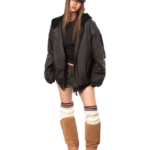 Women’s Moto Leather Jackets
 Faux Moto Leather Jacket
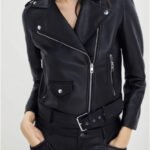 Vintage Moto Leather Jacket Women
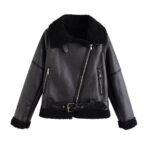 Cropped Moto Leather Jacket Women
 Leather Belts
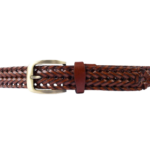 Men’s Leather Belts
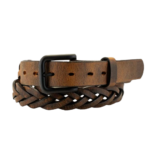 Full-Grain Leather Belt – Men
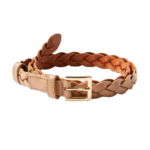 Braided Leather Belt – Men
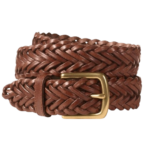 Leather Dress Belt – Men
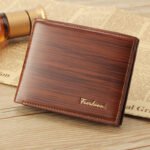 Leather Wallets
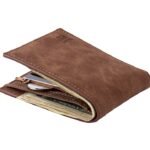 Tri-Fold Leather Wallets
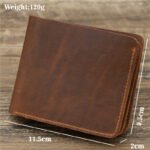 Saddleback Leather Wallets
Leather vs Textile Motorcycle Jacket: Which One Should You Be Riding In?

You have done the research. You have watched the YouTube videos. You have scrolled through forum threads at midnight trying to figure out the same question that every serious rider eventually faces. Leather vs textile motorcycle jacket — which one actually belongs on your body when you twist the throttle and leave the city behind?
This is not a casual fashion question. A motorcycle jacket is the most important piece of protective gear you wear on every single ride. It is your second skin, your armor, and your statement all at once. Getting this decision wrong does not just cost you money. It can cost you far more than that.
At Outer Edition, we build moto leather jackets for riders who take both protection and style seriously. But we are going to give you the complete, honest breakdown on both sides of the leather motorcycle jacket vs textile debate so you can make the right call for your riding life.
What Is a Leather Motorcycle Jacket?
A leather motorcycle jacket is built from genuine animal hide, most commonly cowhide, horsehide, or lambskin, tanned and processed into a dense, durable material that has been the standard in motorcycle protection since riders first started pushing machines to dangerous speeds.
The connection between leather and motorcycling is not just cultural nostalgia. It is engineering logic. Leather’s natural fiber structure makes it exceptionally resistant to abrasion — the primary danger in a road slide. When Marlon Brando wore his leather jacket in “The Wild One” in 1953, he was not just making a style statement. He was wearing the most protective outerwear available to a rider at the time. Decades later, that material science still holds up.
What Is a Textile Motorcycle Jacket?
A textile motorcycle jacket is built from synthetic or woven fabrics engineered specifically for riding performance. Common materials include Kevlar, Cordura, and more recently Dyneema, which delivers a strength-to-weight ratio fifteen times stronger than steel while remaining light enough to float on water.
Textile jackets look and feel far closer to everyday casual outerwear than leather does. They can incorporate removable thermal liners, waterproof membranes, ventilation panels, and modular armor systems in ways that traditional leather construction does not accommodate easily. For riders who want protection without the visual weight of a leather jacket, textile is the modern answer.
The Head-to-Head Breakdown
1. Protection: The Most Important Category
When you compare a leather jacket vs textile jacket on protection, you are really asking one question: what happens if I go down?
Leather wins the abrasion resistance category. The dense, tightly interlocked fiber structure of genuine cowhide or horsehide is extraordinarily effective at resisting the grinding friction of asphalt contact. This is why professional MotoGP and Superbike racers wear leather suits, not textile. When protection from road rash is the absolute priority, leather is the material of choice.
Textile jackets have closed the gap significantly with modern high-performance fabrics. Kevlar, Cordura, and especially Dyneema deliver genuine abrasion resistance that exceeds what many older riders might assume from synthetic materials. Modern textile jackets from serious riding gear brands are not simply casual clothes with a zipper. They are engineered protection systems.
Both leather and quality textile jackets should accommodate CE-certified body armor at the shoulders, elbows, and spine. If a jacket — leather or textile — does not have armor or at minimum armor pockets, do not buy it regardless of how good it looks.
Edge: Leather for raw abrasion resistance. Textile for modular, adaptable impact protection systems.
2. Weather Performance: Four Seasons vs Two
This is where the leather vs textile motorcycle jacket conversation shifts decisively in textile’s favor for many riders.
Leather is warm and wind-resistant by nature. The weight and close fit of a leather jacket create excellent insulation in cold weather and meaningful protection from wind chill at speed. What leather does not do well is handle rain, heat, or humidity without significant discomfort. Most leather jackets are not waterproof. If a leather jacket gets soaked and is not treated and conditioned promptly, the hide can stiffen, crack, and deteriorate rapidly. In extreme summer heat, the weight and close fit of leather can make long rides genuinely uncomfortable.
Textile jackets are built for weather adaptability in a way that leather simply is not. Many textile jackets incorporate removable waterproof liners that can be zipped in for wet weather and removed for dry conditions. Ventilation panels and mesh construction allow airflow management across seasons. A quality four-season textile jacket can be adjusted to remain comfortable in a cold autumn morning, a rainy afternoon, and a warm spring day — all in the same week.
For adventure riders, commuters who ride in all conditions, and anyone living in a climate with meaningful rainfall, textile is the more practical daily choice.
Edge: Textile, significantly, for year-round and all-weather versatility.
3. Comfort and Fit: The Long Ride Test
Ask yourself one honest question before buying any riding jacket. Will this feel good after one hour of continuous riding in a full riding position? If the answer is uncertain, keep looking.
Leather jackets require a break-in period. A new leather jacket — particularly in cowhide or horsehide — will feel stiff and structured initially. Over weeks and months of regular wear, the hide softens and begins to mold to your body shape. Many riders describe the eventual fit of a broken-in leather jacket as unlike anything else in their wardrobe. It fits precisely because it has conformed to the unique contours of their body. That tailored, second-skin quality is something textile cannot replicate.
The tradeoff is that you have to get through the break-in period first, and returning a jacket after wearing it through that process is not practical. You are committing to the relationship upfront and trusting that it will pay off.
Textile jackets are lighter, more flexible, and comfortable from the very first ride. They do not restrict movement the way new leather can, and their lighter construction reduces fatigue on long days in the saddle. For touring riders covering hundreds of miles in a single day, the lower weight and greater mobility of textile can make a meaningful difference by the time the sun goes down.
Edge: Textile for immediate comfort and long-distance touring. Leather for the unmatched long-term fit of a fully broken-in hide.
4. Style: The Honest Assessment
Style is personal and subjective, but there is an objective cultural reality worth acknowledging in the leather motorcycle jacket vs textile style conversation.
Leather carries a visual authority and cultural weight that no synthetic material has earned or is likely to earn. The connection between leather jackets and motorcycling culture runs through seven decades of music, film, sport, and street culture. A biker leather jacket communicates something specific and powerful without the wearer saying a single word. It is a garment with history embedded in every stitch.
Textile jackets have improved enormously in aesthetic quality over the past decade. There are textile jackets available today that look genuinely sharp and work well in both on-bike and off-bike contexts. The understated, modern look of a well-designed textile jacket suits riders who want protection without broadcasting that they are in riding gear.
For pure style impact and off-bike wearability in everyday environments, leather holds a significant advantage. A moto leather jacket or vintage moto leather jacket from a quality brand looks as compelling at a restaurant as it does on the road. Most textile jackets, even excellent ones, carry a functional appearance that does not translate as cleanly to non-riding contexts.
Edge: Leather, clearly, for style authority and off-bike versatility.
5. Durability and Longevity
A properly maintained leather motorcycle jacket can last twenty to forty years. Genuine cowhide and horsehide do not simply survive with age — they improve. The patina that develops over years of riding adds character and uniqueness that no new jacket can replicate. Heritage leather jackets from the 1960s and 1970s are still being worn, collected, and valued today.
Textile jackets are durable but operate on a shorter timeline. A quality textile jacket with serious construction typically delivers five to ten years of reliable riding use depending on frequency of wear, riding conditions, and maintenance. Modern high-performance fabrics like Dyneema extend that range, but textile jackets do not age the same way leather does. They wear out rather than wear in.
Edge: Leather, by a significant margin, for long-term longevity and investment value.
6. Maintenance: The Ongoing Commitment
Leather requires consistent care. Conditioning the jacket two to three times per year with a quality leather conditioner keeps the hide supple, prevents cracking, and maintains water resistance at a basic level. If the jacket gets thoroughly wet, it needs to be dried naturally away from heat sources and conditioned promptly. Skipping this step will visibly shorten the life of the jacket.
Textile jackets are dramatically easier to maintain. Most can be machine-washed and air-dried without specialized products or techniques. Waterproof membranes may need occasional re-treatment with a DWR spray to maintain performance, but the overall maintenance burden is far lower than leather.
For riders who want gear that fits into a busy life without dedicated care routines, textile has a genuine practical advantage.
Edge: Textile for ease of maintenance. Leather for rewarding long-term care.
7. Price and Value
Entry-level textile motorcycle jackets start at around one hundred to one hundred and fifty dollars. Quality mid-range textile gear runs from two hundred to five hundred. Premium textile from specialist brands can exceed that range.
Leather motorcycle jackets start at around two hundred to three hundred dollars for basic genuine leather and rise to five hundred, one thousand, and well beyond for premium grades of hide, artisan construction, and heritage brand names.
The upfront cost of leather is higher. The long-term cost of leather, when divided by the decades it remains serviceable with basic maintenance, is often lower. A textile jacket replaced every seven years at three hundred dollars costs more over twenty years than a leather jacket bought once at five hundred and maintained properly throughout.
Edge: Textile for upfront accessibility. Leather for long-term investment value.
Quick Comparison: Leather vs Textile Motorcycle Jacket
| Feature | Leather Jacket | Textile Jacket |
|---|---|---|
| Abrasion Resistance | Superior | Good to very good |
| Weather Versatility | Limited, not waterproof | Excellent, four-season capable |
| Comfort from Day One | Requires break-in | Comfortable immediately |
| Long-term Fit | Molds to body over time | Consistent throughout life |
| Weight | Heavier | Lighter |
| Style Off the Bike | Excellent everyday wearability | Functional, less versatile |
| Durability | 20 to 40 or more years | 5 to 10 years typically |
| Maintenance | Regular conditioning required | Machine washable |
| Upfront Cost | Higher | More accessible |
| Long-term Value | Excellent | Good |
| Best For | Street, sport, style-conscious riders | Adventure, touring, commuters |
Which Type of Rider Are You?
Choose a leather motorcycle jacket if you ride primarily on the street, if style matters as much as protection in your gear decisions, if you want one jacket that works on the bike and off it without looking like you are still in riding gear, or if you are ready to make a single high-quality investment in a piece that will serve you for decades. Choose leather if you want a biker leather jacket that gets better with every ride and carries the cultural authority of the most iconic garment in motorcycling history.
Choose a textile motorcycle jacket if you ride in all weather and all seasons, if adventure riding takes you off paved roads, if your commute puts you in rain as often as sunshine, or if you prioritize immediate comfort and easy maintenance over the long-term payoff of genuine leather. Choose textile if you need a four-season solution that can adapt to whatever the road puts in front of you.
The honest answer for many serious riders is that both jackets belong in the rotation. Leather for road rides in favorable conditions and for every occasion where you want to look exceptional on and off the bike. Textile for unpredictable weather, long-distance touring, and adventure riding where conditions demand adaptability over style.
FAQs: Leather vs Textile Motorcycle Jacket
Is a leather jacket safe enough for motorcycle riding?
Yes. Genuine leather, particularly full-grain cowhide and horsehide, provides superior abrasion resistance that has made it the standard for serious motorcycle protection for decades. Ensure the jacket accommodates CE-certified armor at the shoulders, elbows, and spine, and it will give you excellent protection on the road.
Can you wear a textile jacket year-round?
Yes, and this is one of textile’s primary advantages over leather. A quality four-season textile jacket with a removable waterproof liner and adjustable ventilation can be adapted for cold, wet, and warm conditions across all seasons.
How long does a leather motorcycle jacket last?
A properly maintained genuine leather motorcycle jacket can last twenty to forty years or more. Regular conditioning, proper storage, and prompt care after moisture exposure are the keys to maximizing the lifespan of a leather jacket.
Are textile jackets less safe than leather jackets?
Modern high-performance textile fabrics, including Kevlar, Cordura, and Dyneema, provide genuine abrasion resistance that is meaningful and serious. Leather still leads in raw abrasion performance, but quality textile gear from reputable brands provides real protection. The armor system inside the jacket — which both types should accommodate — is equally critical to overall safety.
Can you wear a leather motorcycle jacket off the bike?
Absolutely, and this is one of leather’s greatest practical advantages. A well-made leather moto jacket transitions from the road to everyday life without any adjustment. It looks as sharp at a restaurant or a concert as it does on the highway.
The Outer Edition Perspective
At Outer Edition, we build for riders who refuse to choose between protection and style. Our leather jacket collection is constructed from genuine hides with biker-centric design principles that deliver real abrasion resistance, a fit that improves with every ride, and a visual authority that no synthetic material has earned.
We understand that textile has a legitimate place in serious riders’ gear rotations. But for the jacket you reach for when the road opens up in front of you and everything needs to feel right, genuine leather is the answer that has never let a rider down.
A moto leather jacket is not just outerwear. It is armor that tells your story.
Shop the Outer Edition collection and find the leather jacket built for your road.
Keep Exploring at Outer Edition
Once you have sorted your jacket material, the deeper wardrobe questions begin. Not sure what to wear with a leather biker jacket to build a complete look from the ground up? We have the full styling guide. Still debating color? Our brown vs black leather jacket breakdown will help you decide with confidence. Choosing your silhouette? Read our bomber vs biker leather jacket comparison before you commit. Shopping for the best performance gear on the market? Our guide to the best biker leather jacket brands in 2026 covers every name worth knowing. Want to go deeper on materials? Our faux leather vs real leather jacket guide covers the synthetic question completely, and our suede vs leather jacket breakdown explores texture differences within genuine leather itself. Browse our full moto leather jacket, biker leather jacket, and vintage moto leather jacket collections to find the piece built for your riding life.
At Outer Edition, the road is waiting. Gear up like you mean it.