 Moto Leather Jackets
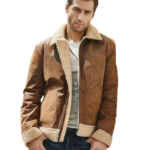 Men’s Moto Leather Jackets
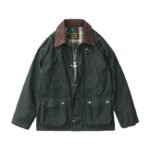 Faux Moto Leather Jacket
 Vintage Moto Leather Jacket
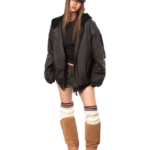 Women’s Moto Leather Jackets
 Faux Moto Leather Jacket
 Vintage Moto Leather Jacket Women
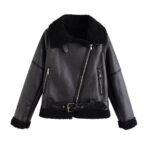 Cropped Moto Leather Jacket Women
 Leather Belts
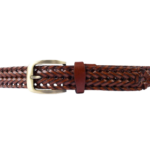 Men’s Leather Belts
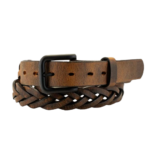 Full-Grain Leather Belt – Men
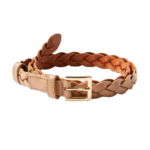 Braided Leather Belt – Men
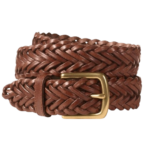 Leather Dress Belt – Men
 Leather Wallets
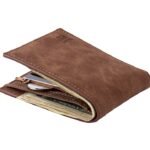 Tri-Fold Leather Wallets
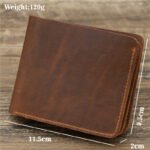 Saddleback Leather Wallets
Vinyl vs Leather Sleeves on Letterman Jacket: Which One Actually Lasts?

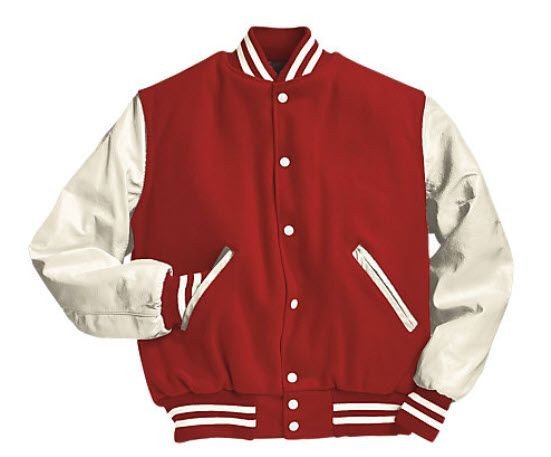
The letterman jacket is one of the most iconic garments in American style history. It started on football fields and basketball courts, crossed over into music, street culture, and high fashion, and never left. Today it sits comfortably at the intersection of nostalgia and genuine cool, worn by everyone from high school athletes to style-forward adults who simply appreciate what the silhouette represents.
But when you go to buy one, or customize one, you hit a decision point that most people are not fully prepared for. Vinyl vs leather sleeves on a letterman jacket — which material is actually worth your money?
At Outer Edition, we live and breathe leather craftsmanship. We know what good materials look like, how they perform over time, and what separates a jacket that becomes a keepsake from one that ends up in a donation bin three years later. Here is the full, honest breakdown.
What Is a Letterman Jacket, Really?
Before diving into the vinyl letterman jacket vs leather debate, it helps to understand the anatomy of the garment.
The classic letterman jacket, also called a varsity jacket, features a wool body in the team or school colors and contrasting sleeves. Those sleeves are where the material choice matters most, because they are the most visible, most handled, and most structurally stressed part of the entire jacket. They take on rain, sun, friction, and years of daily movement. The sleeve material you choose is not just an aesthetic decision. It is a durability decision.
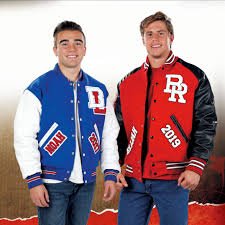
Traditionally, those sleeves have always been leather. The shift toward vinyl came as manufacturers looked for ways to reduce production costs while maintaining the visual similarity to the classic look. Vinyl can mimic the appearance of leather at first glance, but the two materials perform very differently over any meaningful period of time.
Leather Sleeves: The Original Standard
What Are Leather Sleeves Made From?
Letterman jacket sleeves are traditionally made from cowhide or sheepskin leather. Cowhide is the more durable of the two — dense, thick, and built to take decades of wear. Sheepskin is softer and more supple from the start, offering a more comfortable feel with a slightly lower abrasion threshold than cowhide.
Both are genuine animal hides processed through tanning into the flexible, durable material that has been the standard for varsity jackets since the early twentieth century.
Durability That Actually Means Something
When people say leather lasts, they are not speaking in vague marketing terms. They are describing a material with a documented track record spanning generations.
A quality leather-sleeved letterman jacket maintained with basic conditioning can realistically last thirty years or more. Plenty of collectors and vintage enthusiasts own letterman jackets from the 1960s and 1970s with leather sleeves that are still structurally sound and visually compelling. The leather has aged, developed character, and in many cases looks better than it did the day it was purchased.
That kind of longevity is not an accident. Leather is a dense, tightly fibered natural material that resists mechanical stress, handles repeated flexing without cracking, and responds to conditioning rather than degrading from it.
Comfort That Improves Over Time
One of the most underappreciated qualities of genuine leather sleeves is the break-in period that actually pays off. New leather can feel stiff and structured. Over weeks and months of wear, it softens, molds to your arm shape, and becomes increasingly comfortable and natural in its movement. The jacket literally fits you better the longer you own it.
Leather is also more breathable than vinyl. As a natural material, it allows some air circulation, which matters during transitions between indoor and outdoor environments or when wearing the jacket in mildly warm weather.
The Patina Factor
Real leather develops a patina over time. Sunlight, contact with your skin, natural oils, and the environment create a unique aging process that gives each jacket a one-of-a-kind appearance. Two people can buy identical leather-sleeved letterman jackets and wear them for ten years. By the end of that decade, those jackets will look meaningfully different from each other — shaped by the individual lives of the people who wore them.
That is not wear and tear. That is character. And it is something vinyl cannot replicate under any circumstances.
What Leather Sleeves Require
Leather does need some maintenance. Applying a leather conditioner a couple of times per year keeps the hide supple, prevents drying, and protects against cracking. Beyond that, basic care — keeping it away from prolonged moisture and storing it on a proper hanger — is all it takes to protect a multi-decade investment.
Vinyl Sleeves: The Budget Alternative
What Are Vinyl Sleeves Made From?
Vinyl sleeves are made from synthetic materials, most commonly polyvinyl chloride (PVC) or naugahyde, which is a brand name for a specific type of vinyl upholstery material. These are manufactured products engineered to visually approximate the appearance of leather at a fraction of the production cost.
The Honest Durability Picture
Here is the part that vinyl manufacturers do not put in their marketing materials. Vinyl degrades chemically over time regardless of how carefully you care for it.
The plasticizers that give vinyl its initial flexibility break down when exposed to heat, cold, humidity, and UV light — all conditions that a jacket worn outdoors will encounter regularly. As those plasticizers degrade, the vinyl becomes brittle, stiff, and prone to cracking and peeling. This process is essentially inevitable. The timeline varies based on climate and usage, but most vinyl-sleeved letterman jackets show meaningful deterioration within five to fifteen years, and some begin cracking sooner in harsh environments.
When vinyl starts to go, it goes in the least attractive way possible. The surface flakes, the color fades unevenly, and the material splits at stress points like the elbows and zipper edges. Unlike leather, which can often be repaired and reconditioned, vinyl damage is very difficult to address meaningfully. Once it cracks and peels, the jacket is essentially at the end of its life.
What Vinyl Does Well
Vinyl is not without genuine advantages in specific contexts.
The upfront cost is significantly lower than genuine leather. For school programs buying large quantities of jackets, or for individuals who need a letterman-style jacket for a short-term purpose and cannot justify a premium investment, vinyl delivers the classic visual at a budget-accessible price point.
Vinyl is also easier to clean on the surface. A damp cloth handles most marks without the need for specialized products. The color remains consistent from the day of purchase — there is no patina development, no color variation, no aging. For some buyers, that consistency is actually a feature rather than a limitation.
The Long View on Vinyl
The challenge with vinyl becomes apparent when you run the math over a decade or more. A vinyl-sleeved jacket that costs significantly less upfront but needs replacing every five to ten years will likely cost more in total than a leather-sleeved jacket purchased once and maintained properly over thirty years. The lower price tag at the register can be genuinely misleading about the actual long-term cost of the material.
Vinyl vs Leather Letterman Jacket: Direct Comparison
| Feature | Leather Sleeves | Vinyl Sleeves |
|---|---|---|
| Material | Genuine cowhide or sheepskin | PVC or naugahyde synthetic |
| Durability | 30 or more years with basic care | 5 to 15 years before cracking or peeling |
| Comfort | Softens and molds to your body over time | Consistent but non-adaptive feel |
| Breathability | Natural breathability | Minimal, can feel warm and stuffy |
| Aging | Develops unique character patina | Fades and degrades over time |
| Maintenance | Condition twice a year | Wipe clean with damp cloth |
| Repairability | Professional repair is effective | Difficult to repair once cracked |
| Upfront Cost | Higher investment | Significantly lower |
| Long-term Value | Excellent — a true keepsake piece | Lower — likely requires replacement |
| Appearance | Authentic, premium, rich | Consistent color, noticeably synthetic |
Which Should You Choose?
The answer to the vinyl vs leather letterman jacket question depends entirely on what you want the jacket to actually be in your life.
Choose leather sleeves if you want a genuine keepsake piece that represents something meaningful — a championship season, a milestone year, a school or team you want to remember for the rest of your life. Choose leather if you want a jacket your grandchildren could reasonably wear someday. Choose leather if you understand that the higher upfront cost is not an expense but an investment in a piece that gets better over time.
Choose vinyl sleeves if you are operating under a strict budget with no flexibility, if the jacket serves a short-term purpose, or if the program or organization you are buying for requires uniformity at a volume that makes genuine leather cost-prohibitive. Go in with clear expectations about the lifespan and understand that the lower price comes with a corresponding reduction in longevity.
The vinyl vs leather sleeves on a letterman jacket decision is ultimately a conversation about what you value most. Time horizon and budget are both legitimate factors. Just make sure you are making the choice with accurate information rather than assumptions based on appearance alone.
The Outer Edition Take
At Outer Edition, we have always believed that the best leather pieces are not purchases. They are commitments. A genuine leather jacket, maintained with even basic care, should outlast trends, outlast seasons, and outlast the circumstances under which it was bought.
The same philosophy applies to the vinyl vs leather letterman jacket conversation. Leather is not just the premium option. It is the option that actually honors the significance of what a letterman jacket is supposed to represent. These are garments built around achievement, memory, and identity. They deserve materials that age with the same dignity.
If you are serious about leather and want to understand everything the material can offer, our collection at Outer Edition is built around exactly that principle. Genuine hides. Serious construction. Jackets that work on day one and get better every year after.
FAQs: Vinyl vs Leather Sleeves on Letterman Jacket
Can you tell vinyl sleeves from leather sleeves just by looking?
On a brand-new jacket, it can be genuinely difficult to tell the difference at a casual glance. The giveaways appear over time — vinyl develops a uniform artificial sheen and eventually cracks, while leather develops organic variation and patina. Up close, the surface texture of real leather shows natural grain variation that vinyl cannot accurately replicate.
Can vinyl sleeves be replaced with leather?
In many cases, yes. A skilled leather craftsperson or tailor experienced in jacket work can replace vinyl sleeves with genuine leather. The cost of the conversion should be weighed against simply purchasing a leather-sleeved jacket from the start, but it is a viable option for restoring a jacket with sentimental value.
How do you condition leather letterman jacket sleeves?
Apply a quality leather conditioner using a soft cloth in a circular motion, allow it to absorb fully, and buff off any excess. Do this two to three times per year and the leather will remain supple and protected. Avoid petroleum-based products, which can damage the hide over time.
Do leather sleeves shrink or stretch?
Leather will soften and very slightly relax with wear, but it does not stretch significantly. Sizing correctly at the time of purchase is important. Leather will not shrink under normal wear conditions, but prolonged exposure to moisture followed by heat can cause some contraction — another reason to keep leather-sleeved jackets out of extended rain and away from artificial heat sources.
Is sheepskin or cowhide better for letterman jacket sleeves?
Cowhide is the more durable option and holds up better to heavy daily wear and outdoor conditions. Sheepskin is softer from the start and more comfortable in the break-in period, but it is slightly less resistant to abrasion. For a keepsake piece that will see regular wear over many years, cowhide is generally the stronger choice.
Keep Exploring at Outer Edition
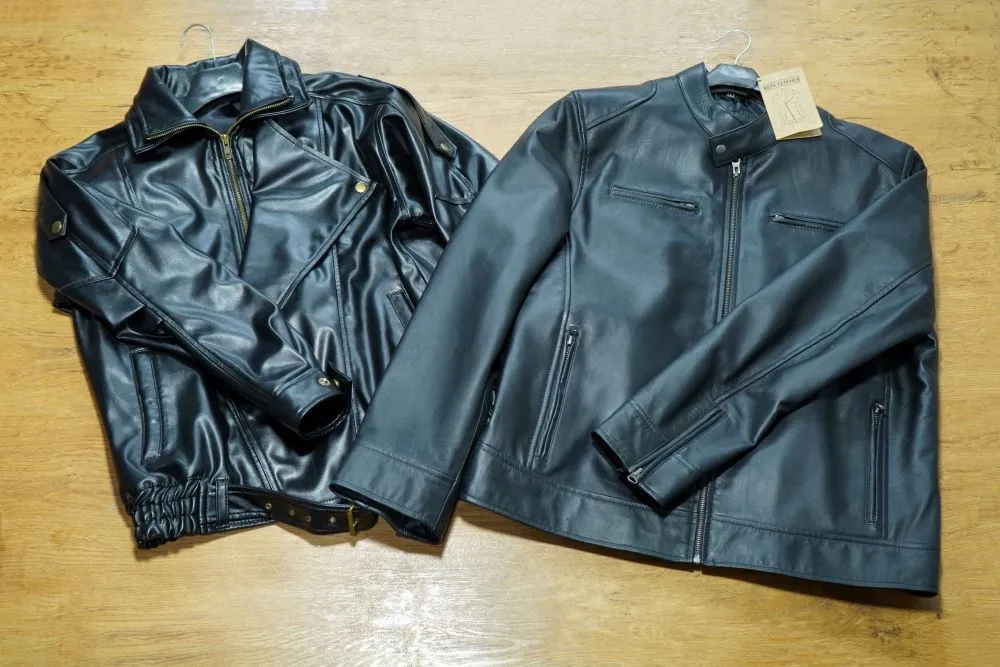
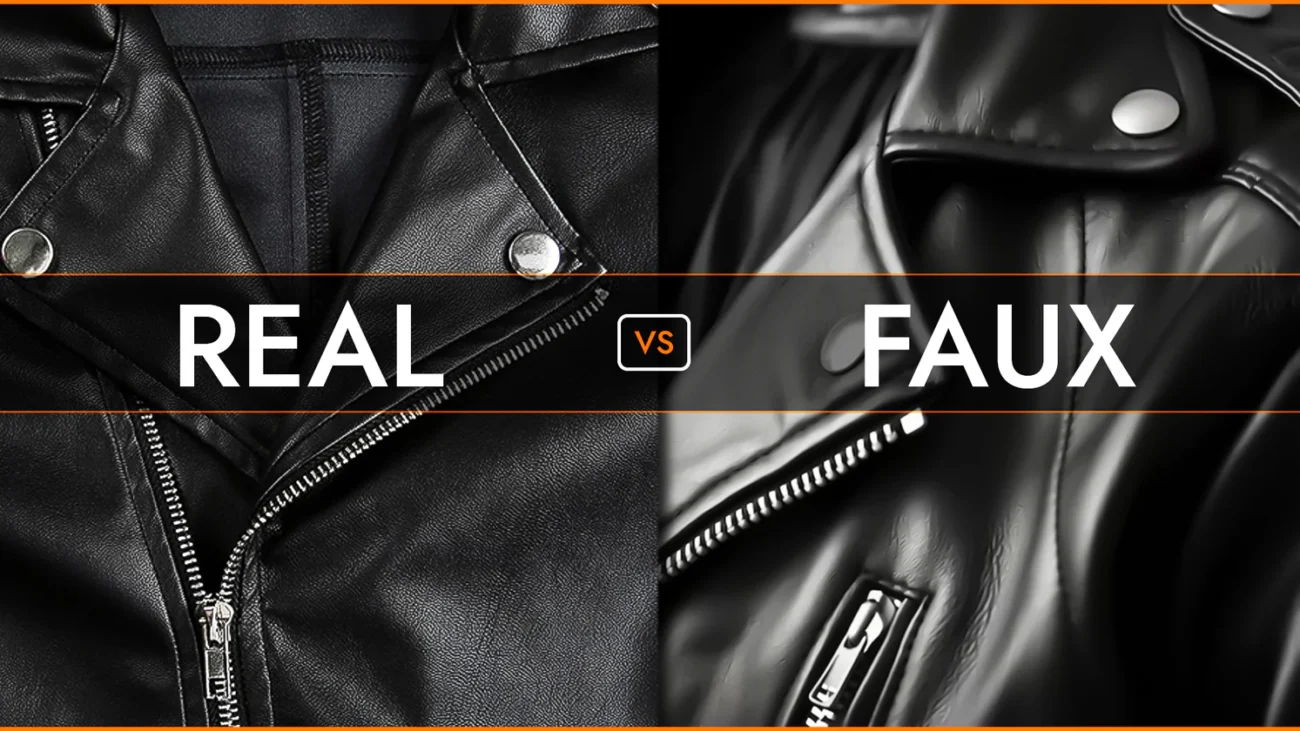
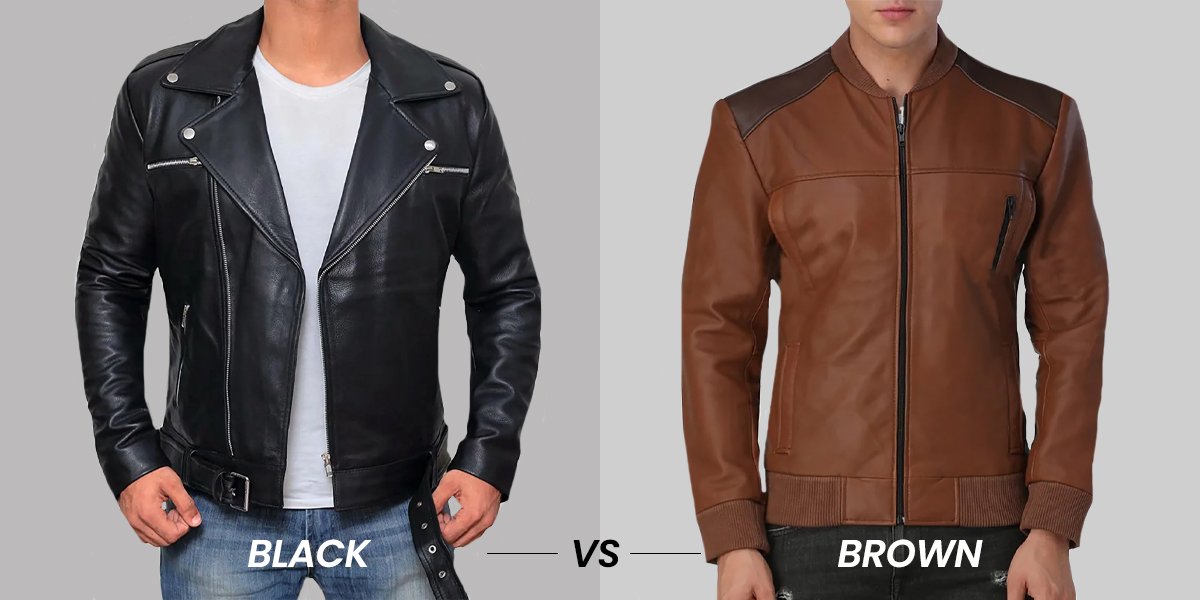
The letterman jacket conversation is just one corner of the leather world. If you are building a complete wardrobe around quality leather, we have the resources to guide every decision. Not sure what to wear with a leather biker jacket to build a head-to-toe look? We have the full styling guide. Still debating color? Our breakdown of brown vs black leather jacket settles that conversation clearly. Deciding on silhouette? Read our bomber vs biker leather jacket comparison before you commit. Shopping for performance moto gear? Our guide to the best biker leather jacket brands in 2026 covers the field completely. Still weighing synthetic against real hide? Our in-depth piece on faux leather vs real leather jacket covers every angle. And if you are looking at texture-based comparisons within genuine leather, our suede vs leather jacket guide goes deep on that distinction.
At Outer Edition, every piece we build is made to last. Come find the one built for you.