 Men’s Moto Leather Jackets
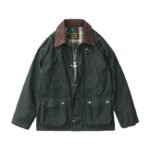 Faux Moto Leather Jacket
 Vintage Moto Leather Jacket
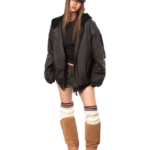 Women’s Moto Leather Jackets
 Faux Moto Leather Jacket
 Vintage Moto Leather Jacket Women
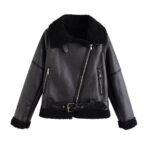 Cropped Moto Leather Jacket Women
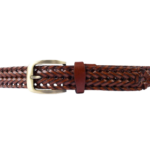 Men’s Leather Belts
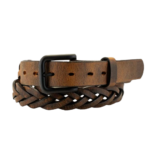 Full-Grain Leather Belt – Men
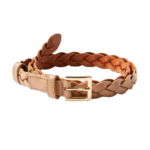 Braided Leather Belt – Men
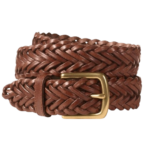 Leather Dress Belt – Men
 Leather Wallets
 Full- Grain Leather Wallets
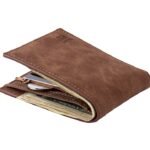 Tri-Fold Leather Wallets
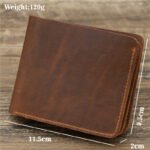 Saddleback Leather Wallets
 Moto Gloves
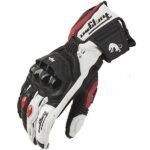 Moto Heated Gloves
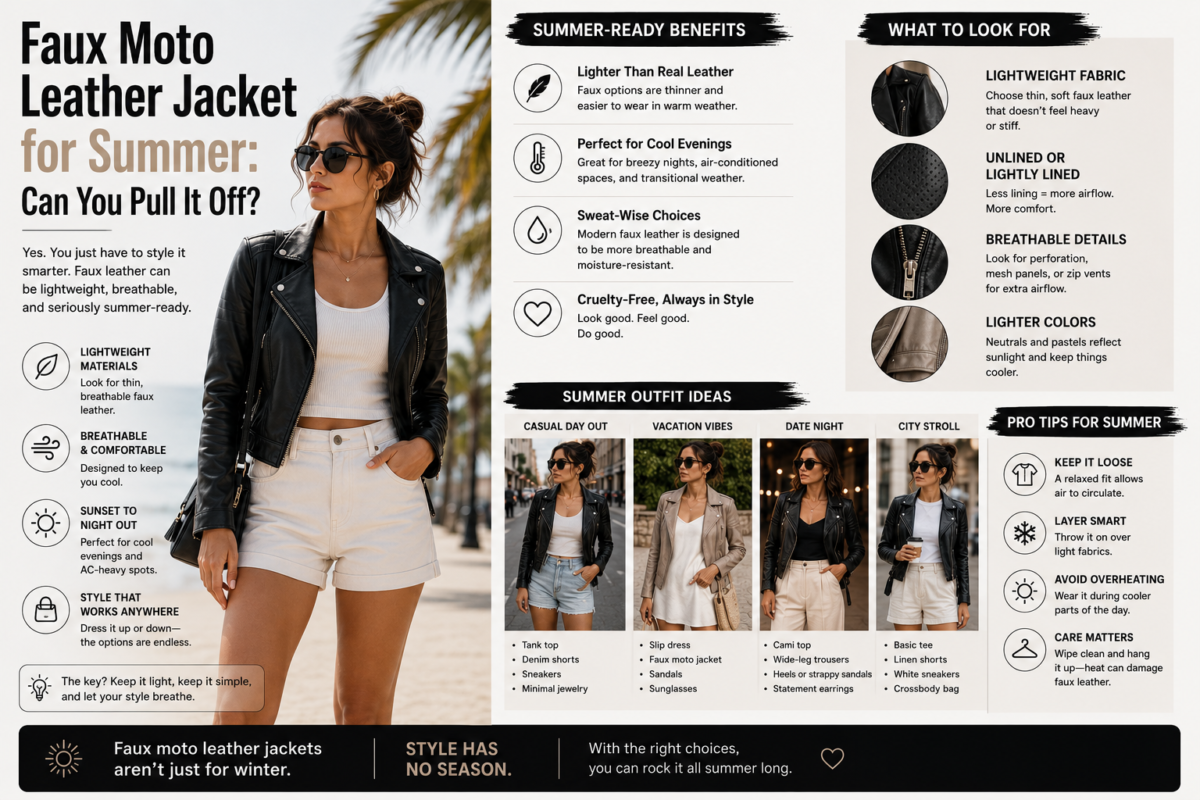
How to Spot a High-Quality Faux Moto Leather Jacket

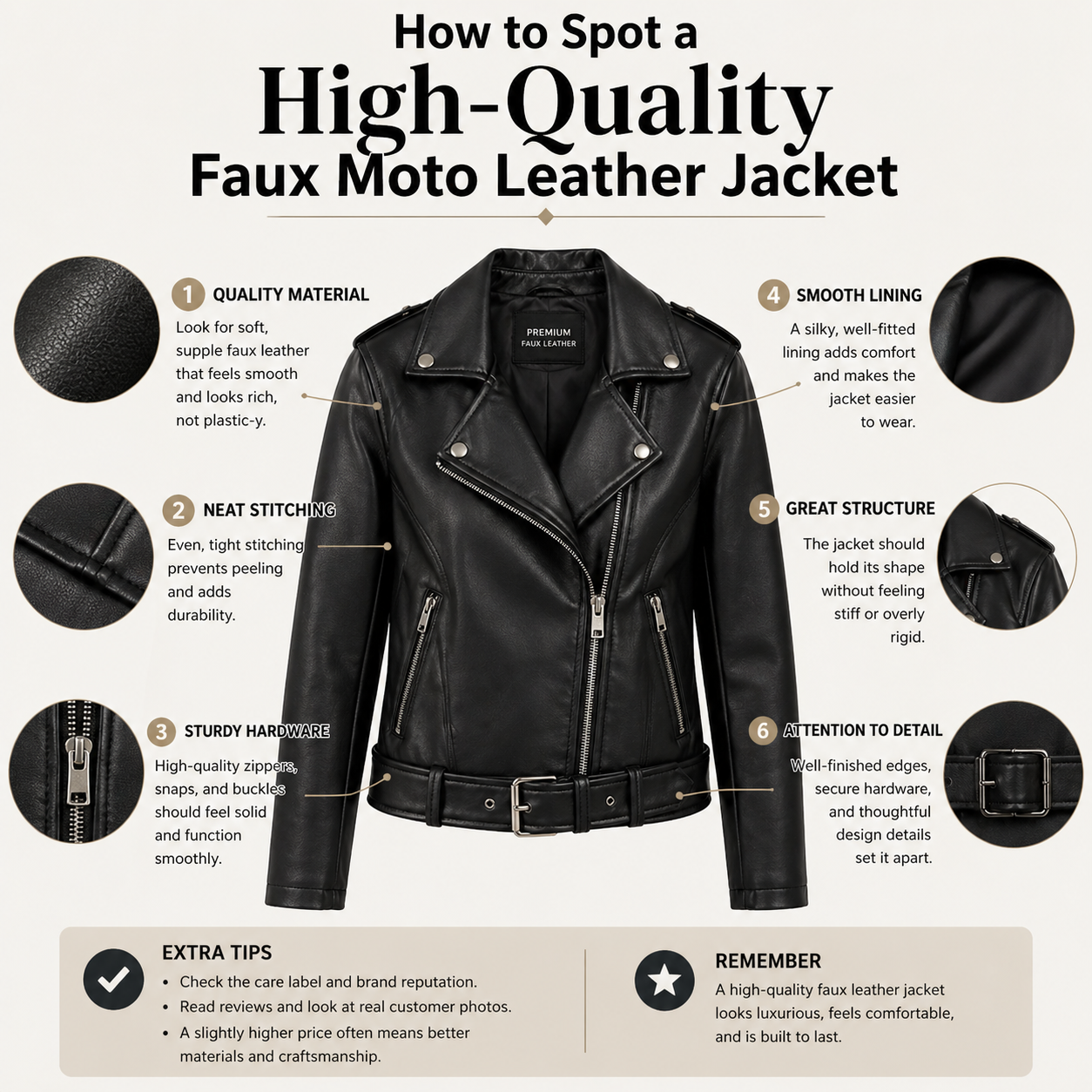
The faux leather market operates across an enormous quality spectrum. At one end: thin PVC jackets with flaking surfaces and zippers that jam after a season. At the other end: precision-engineered PU and bio-based leather jackets that hold their shape, texture, and structure for years. The visual gap between these poles can be surprisingly narrow on a product page. In person, or with the right knowledge, it becomes immediately legible.
This guide gives you the tools to assess a faux moto leather jacket with the same eye a buyer uses — before you commit to anything.
START WITH THE SURFACE
The exterior material tells you almost everything you need to know within the first thirty seconds of handling a jacket. A premium faux leather jacket uses high-grade polyurethane coated onto a woven or knit base fabric. The surface should feel substantial — hot papery, not sticky, not slick in a way that reads as plastic.
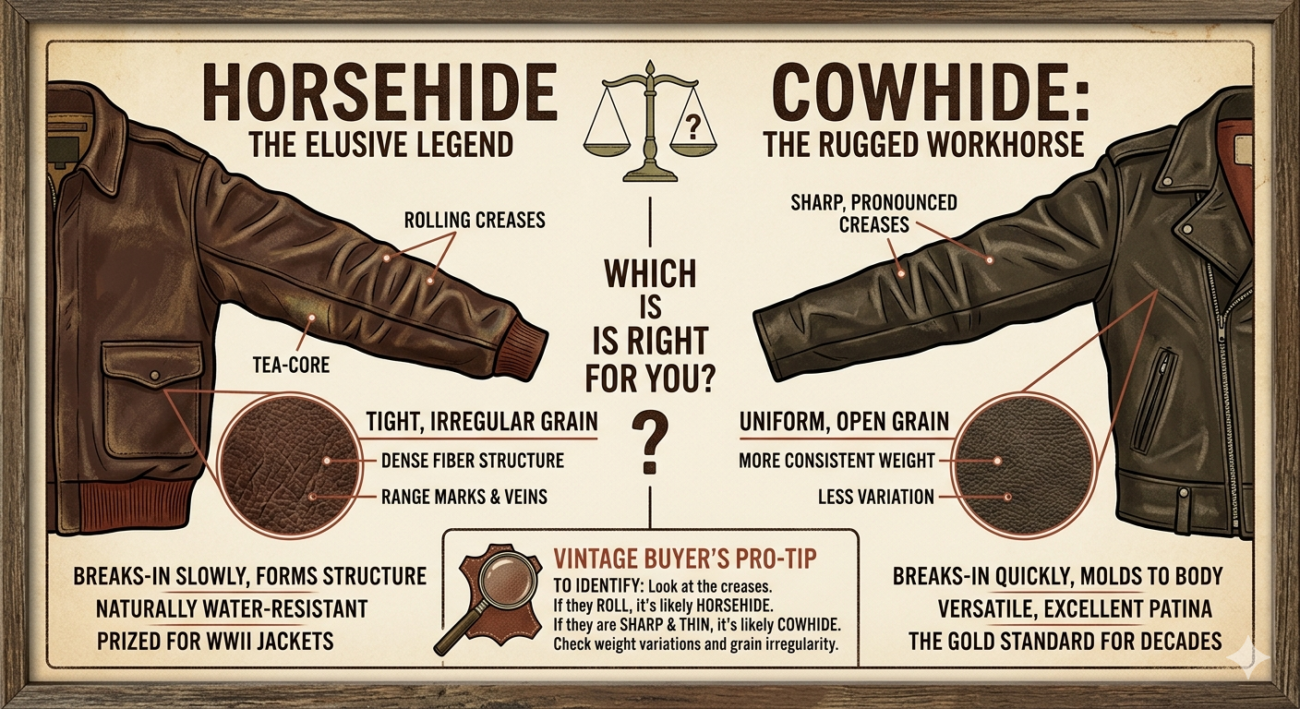
Run your thumb across the grain. Quality PU leather has a consistent, fine texture that mimics the pore structure of genuine hide. Lower-grade alternatives — particularly those using PVC as the base — feel uniform in a way that reads as artificial, and often have a slight shine that looks flat under light rather than dimensional.
Check the thickness at the cut edge of a pocket or hem. A quality synthetic leather jacket has a material weight that does not collapse under gentle pressure. Thin, insubstantial material at the edges is a reliable early indicator of compromised construction throughout.
THE ZIPPER IS THE FIRST TEST
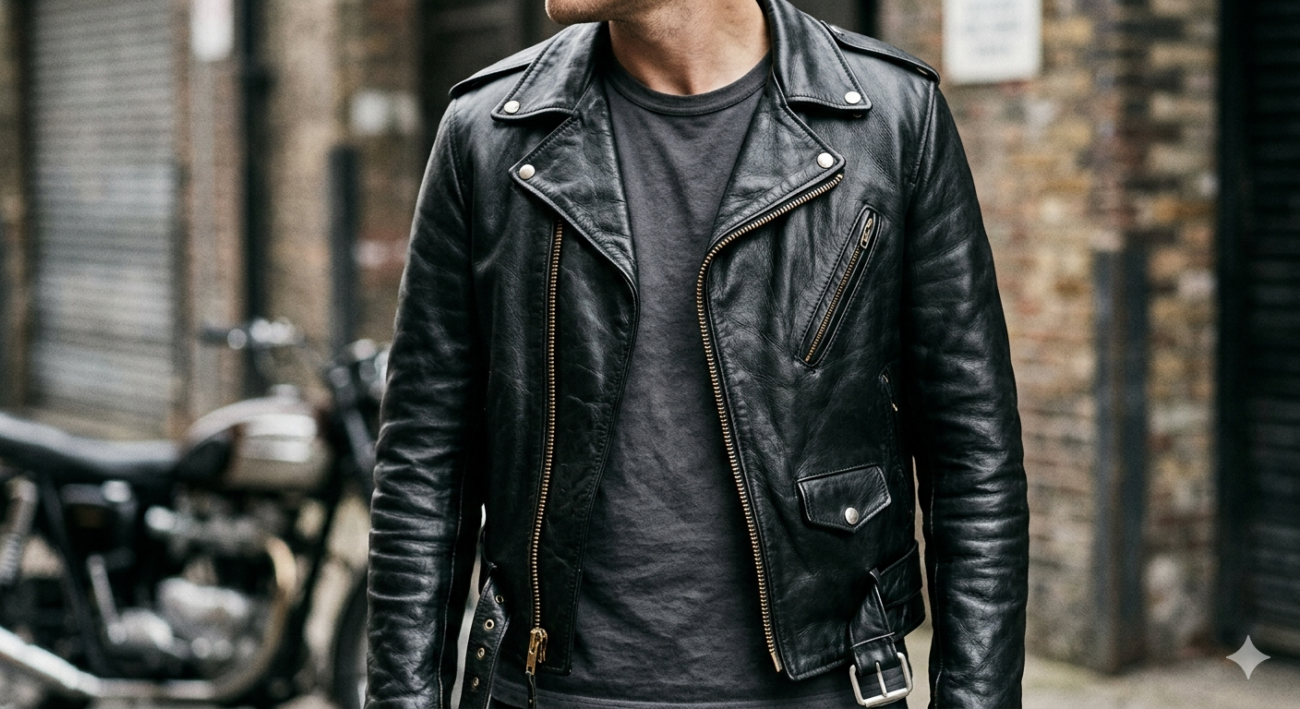
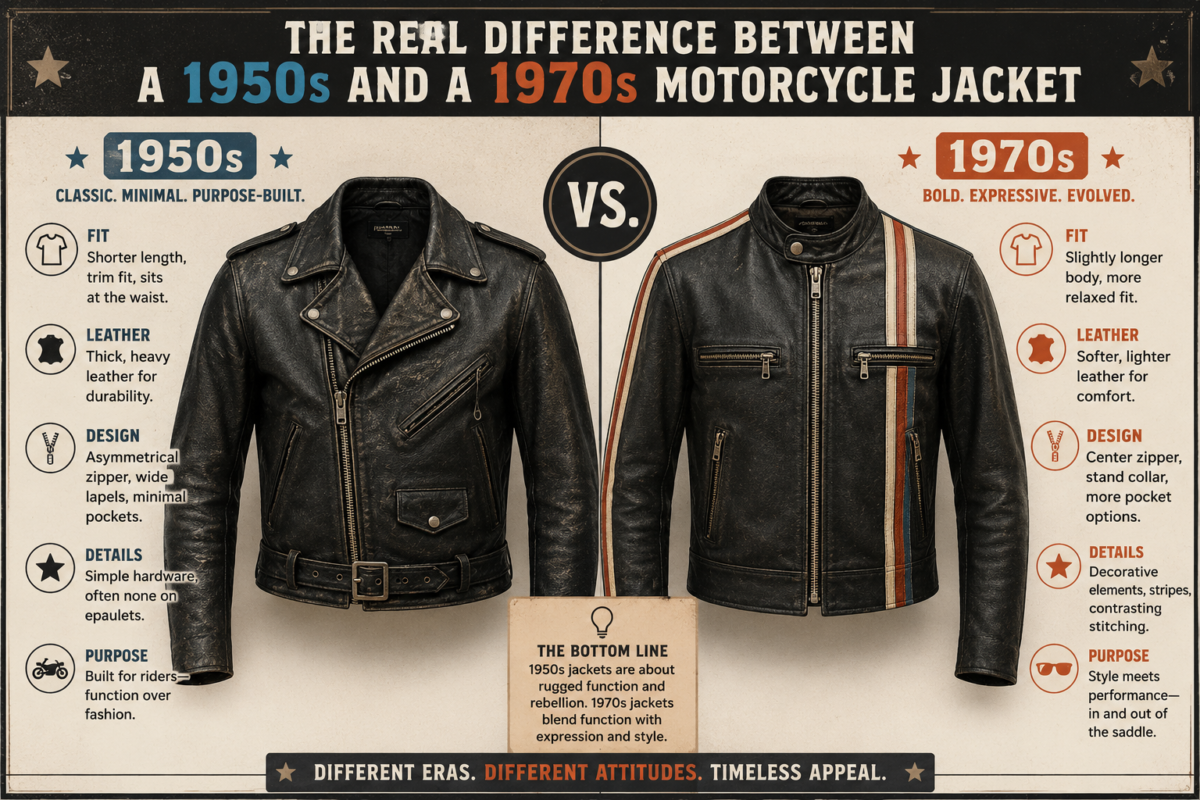
On a moto jacket, the asymmetric zip is not decoration — it is the jacket’s primary structural and functional element. On a faux moto leather jacket quality check, the zipper is the single most revealing detail.
A quality zipper — YKK or an equivalent from a named manufacturer — moves under tension with a smooth, uninterrupted pull. It should not require forcing at the top or bottom of its travel, and the fabric should not pucker or distort when the zip is closed. Examine the zipper tape: it should be stitched cleanly into the jacket with no exposed raw edges.
Weight is the second test. Pick up the zip pull between thumb and forefinger. Quality hardware is solid — it has mass. Hollow, lightweight pulls are an almost universal indicator of budget construction, and they telegraph across the room once you know what to feel for.
STITCHING: THE LANGUAGE OF QUALITY
Stitching reveals what a manufacturer actually thinks of their product. Examining seams takes thirty seconds and tells you more about construction quality than any product description will.
At every stress point — underarm, pocket mouth, the base of the asymmetric zip — look for double-stitched or reinforced seams. Single-stitched construction at these points is a structural compromise that shows up as seam failure under regular wear. The stitch density should be consistent: eight to twelve stitches per centimetre is the standard for quality outerwear construction.
Check where hardware attaches to the jacket body. Rings, buckles, and snap closures on a well-made synthetic moto jacket are anchored at double-stitched reinforcement panels. Where hardware is poorly anchored — attached with minimal stitching or through thin material only — it will pull free under normal use.
HARDWARE WEIGHT AND FINISH
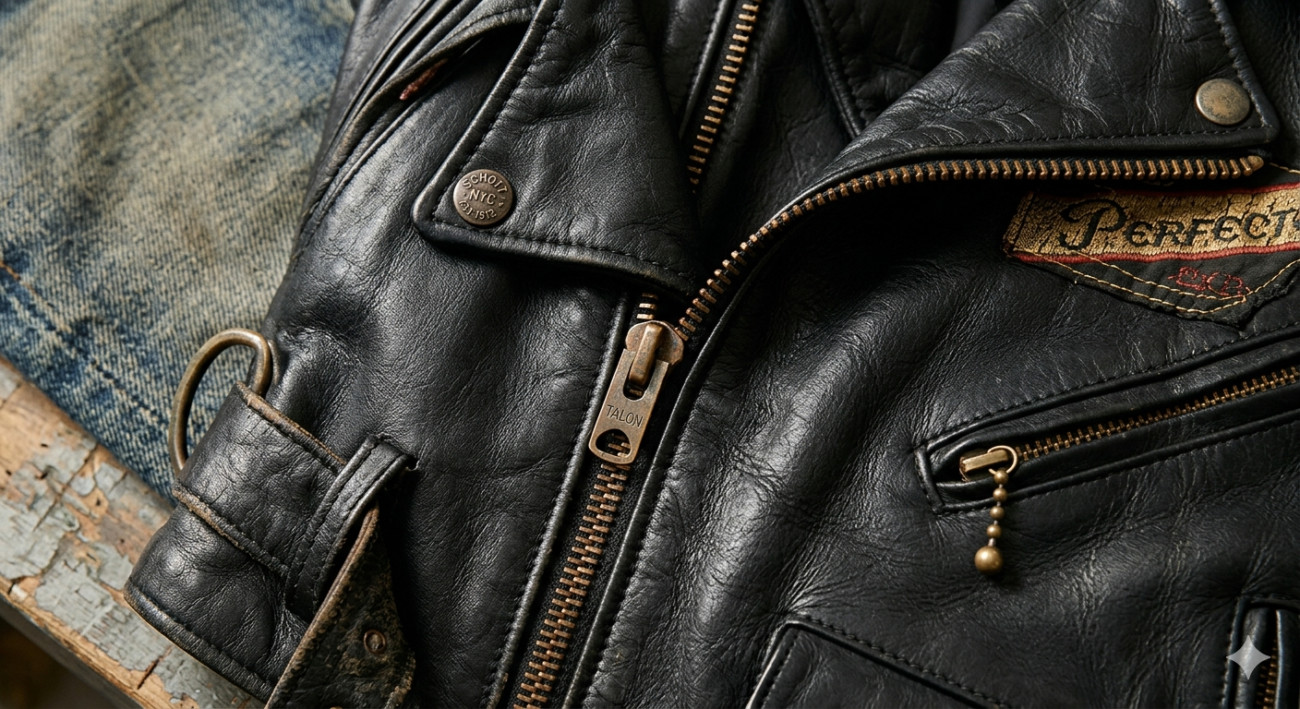
Hardware details — the D-rings, snap buttons, buckle closures, and decorative rings that give the moto jacket its visual authority — separate the well-made from the merely convincing. The faux moto leather jacket hardware quality distinction is this: solid versus hollow.
Pick up a hardware element and assess its weight relative to its size. Quality hardware carries surprising density for its dimensions — it is cast or machined from solid metal, not pressed from thin sheet. Hold it to light: quality chrome or nickel finish has a depth and consistency that pressed metal cannot replicate. Surface pitting, dullness, or a slightly blue tint in the finish indicate lower-grade plating that will tarnish and flake with exposure.
Snap buttons should engage and release with a clean, definitive click. Loose engagement or soft, mushroom-feeling snaps indicate hollow construction and will not maintain their closure under wear.
THE LINING
The lining is where manufacturers most frequently cut corners, because it is the element buyers examine least carefully. It is also an accurate indicator of manufacturing philosophy: a producer who cares about what you cannot see has almost certainly cared equally about what you can.
A quality faux moto leather jacket lining is finished cleanly at every seam, with no raw edges, loose threads, or puckering visible inside. The lining material itself should be smooth against the skin — a quality synthetic satin or fine polyester — not abrasive or rough. Check the sleeve lining particularly: it should be fully attached at the cuff, not free-floating in a way that bunches when you push your hand through.
Quilted lining adds both warmth and structure. Where present, the quilting should be even in pattern and density, with no irregular spacing that suggests the piece moved on the machine during construction.
THE FIT ARCHITECTURE
A high-quality faux moto leather jacket is cut with precision because the moto silhouette demands it. Examine the jacket flat and then on the body: the leather should lay without bunching at the shoulder seams or puckering across the back panel. Excess material across the shoulder or between the shoulder blades is a pattern-cutting problem that no amount of quality material compensates for.
The lapels should hold their shape without internal prompting. Good lapel structure relies on quality interfacing — a hidden internal layer that gives the lapel its body and maintains its angle. Lapels that fold inward, collapse under light pressure, or wave at the edge are interfaced inadequately or not at all.
THE QUESTION OF PRICE
A premium faux leather jacket is not necessarily expensive, but it is not cheap. The materials and construction standards described here have real costs attached to them. If a jacket is priced at the very bottom of the market, something on this list has been compromised — most likely the material grade, the hardware, or both.
The best faux moto leather jacket sits at a price point where the manufacturer has not been forced to make visible sacrifices. That does not mean luxury pricing — it means honest pricing for the quality delivered.
WHAT TO DO WITH THE INFORMATION
When you apply this faux leather jacket quality check consistently, poor-quality products identify themselves quickly. The heavy zipper, the consistent stitching, the weighted hardware, the clean lining — these are not aspirational standards. They are baseline expectations from any manufacturer serious about their product.
Explore OuterEdition’s curated selection of faux moto leather jackets — where every piece has passed the tests above before earning a place in the edit