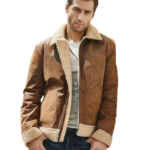
 Men’s Moto Leather Jackets
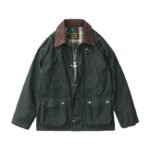 Faux Moto Leather Jacket
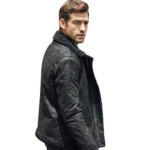 Vintage Moto Leather Jacket
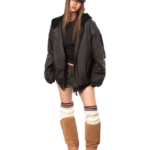 Women’s Moto Leather Jackets
 Faux Moto Leather Jacket
 Vintage Moto Leather Jacket Women
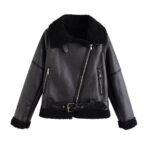 Cropped Moto Leather Jacket Women
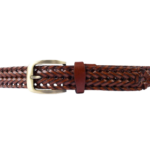 Men’s Leather Belts
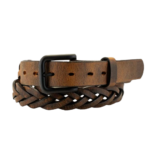 Full-Grain Leather Belt – Men
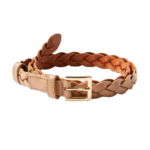 Braided Leather Belt – Men
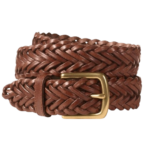 Leather Dress Belt – Men
 Leather Wallets
 Full- Grain Leather Wallets
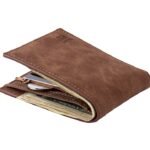 Tri-Fold Leather Wallets
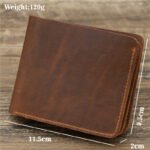 Saddleback Leather Wallets
 Moto Gloves
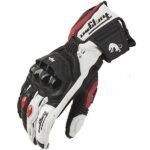 Moto Heated Gloves
The Ultimate Guide to Faux Moto Leather Jackets

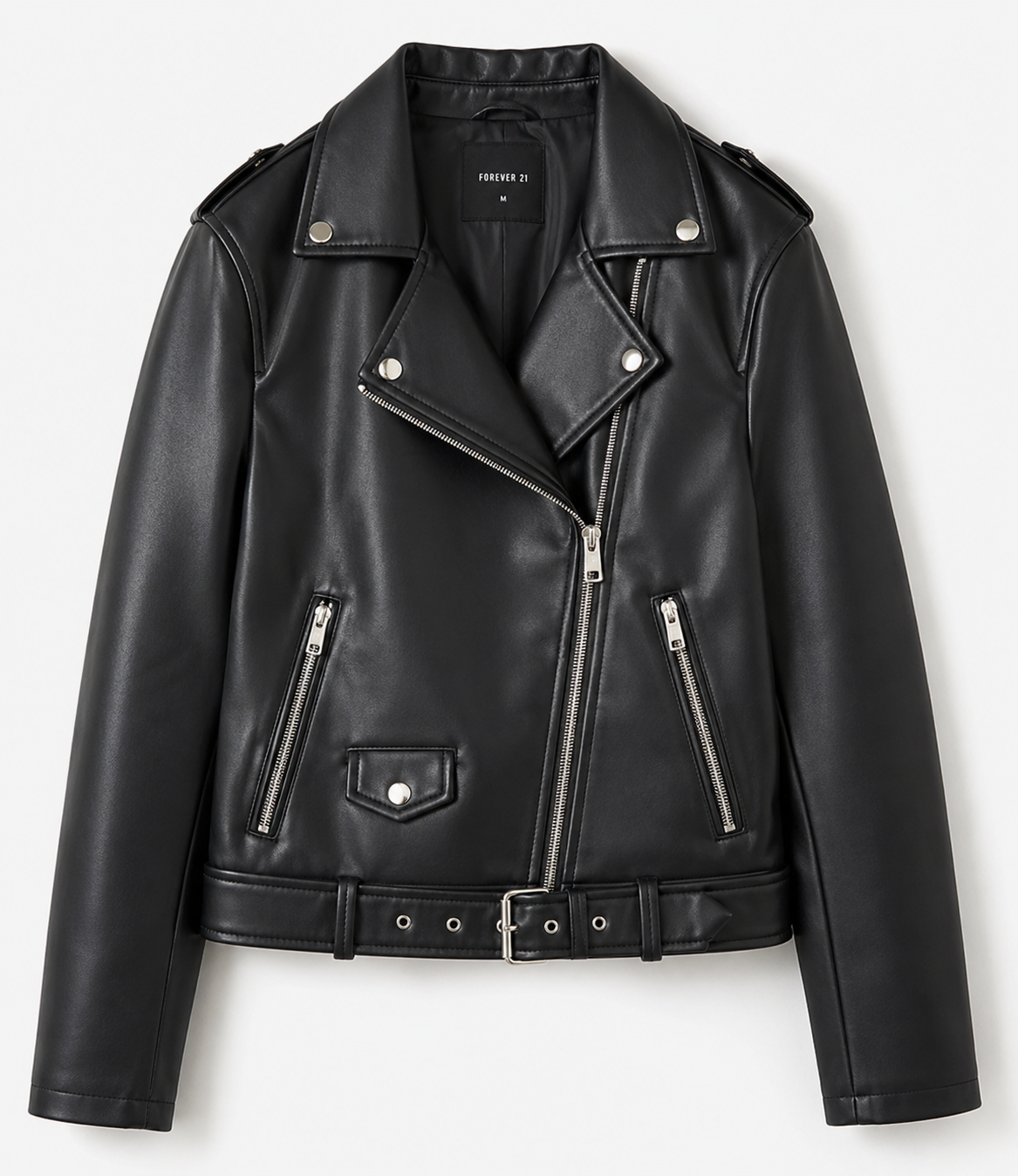
Few pieces in the contemporary wardrobe carry the cultural currency of the moto jacket. It arrived via the motorcycling world, was adopted by rock and punk, made permanent by decades of street-style iconography, and now exists as one of fashion’s most legible signals — rebellion, confidence, a studied indifference to convention. The faux moto leather jacket takes all of that and layers it with something the original could never offer: a clear conscience.
This is the guide for anyone who takes their wardrobe seriously. Whether you are building your first leather-look layer or reassessing a longstanding relationship with genuine hide, this pillar covers everything — material, construction, fit, styling, care, and why the synthetic moto jacket has moved well beyond compromise territory.
WHAT IS A FAUX MOTO LEATHER JACKET?
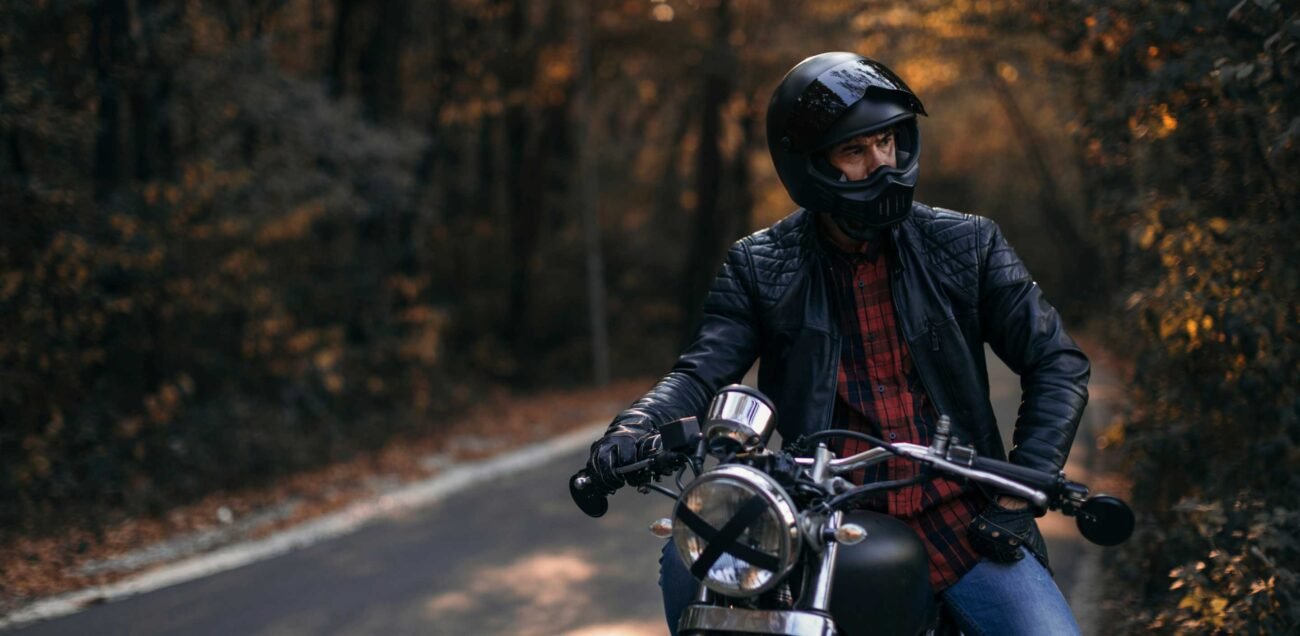
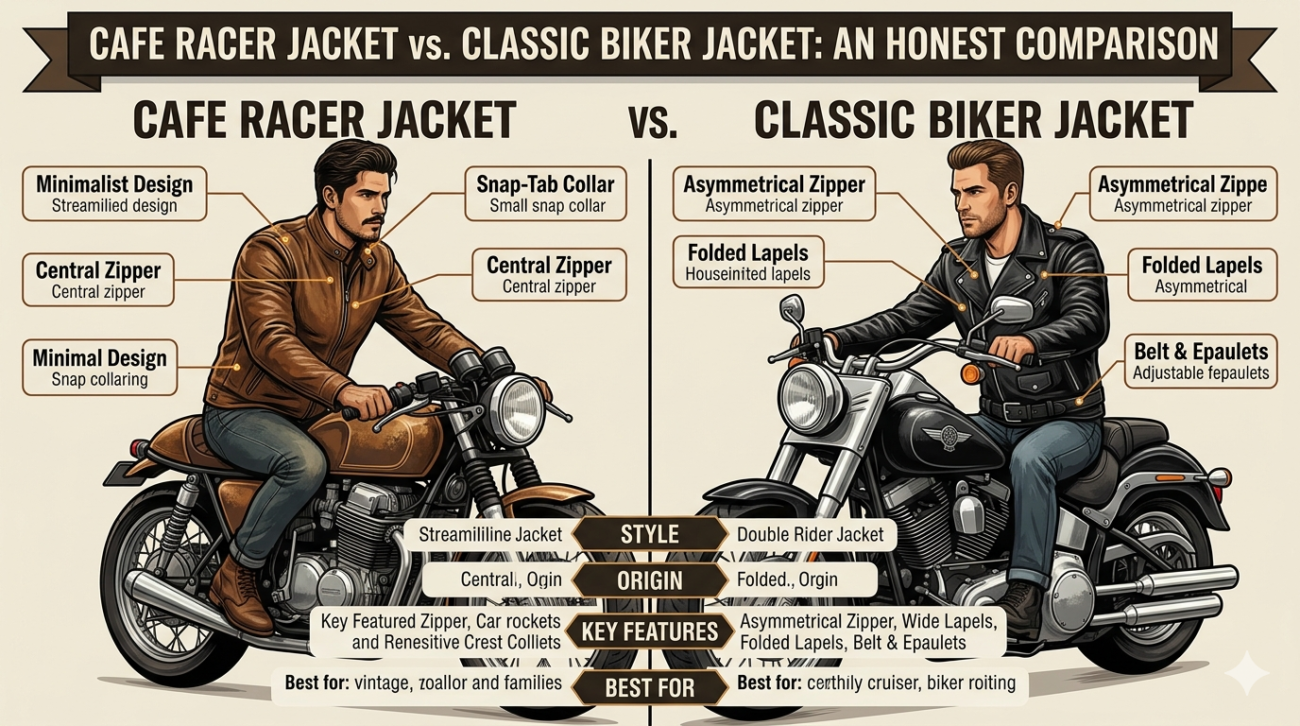
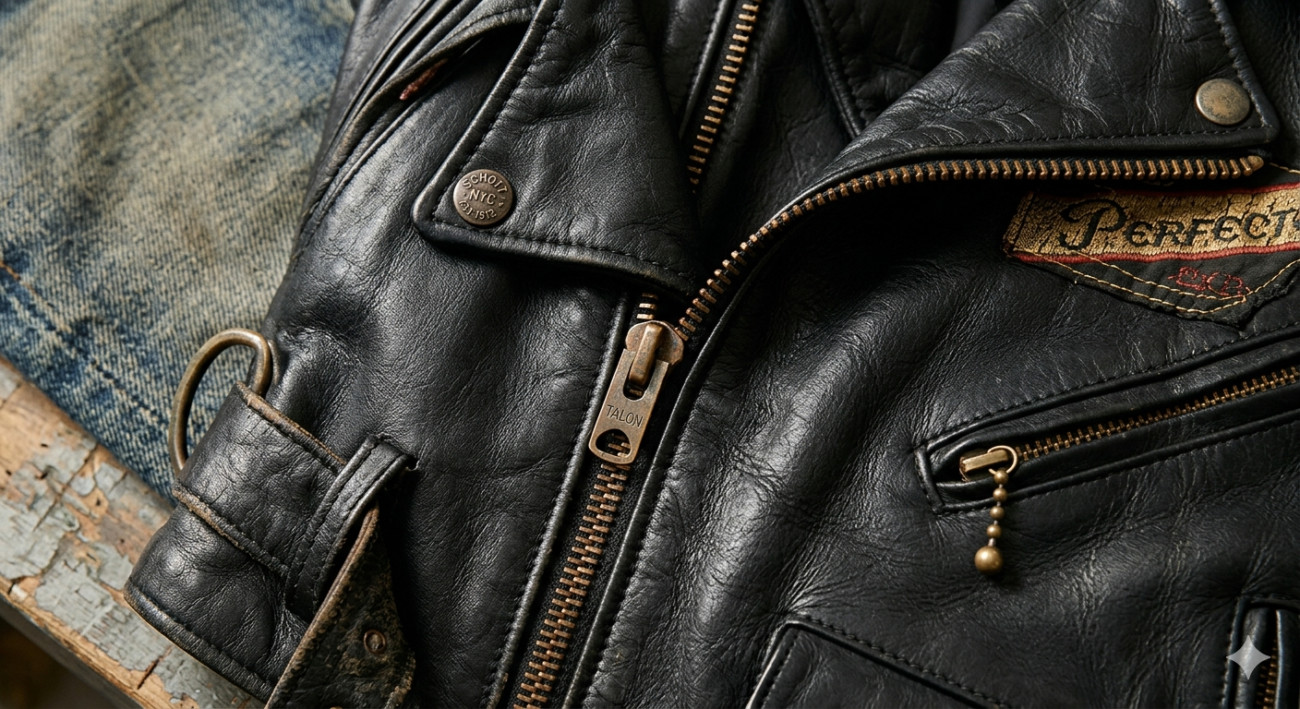
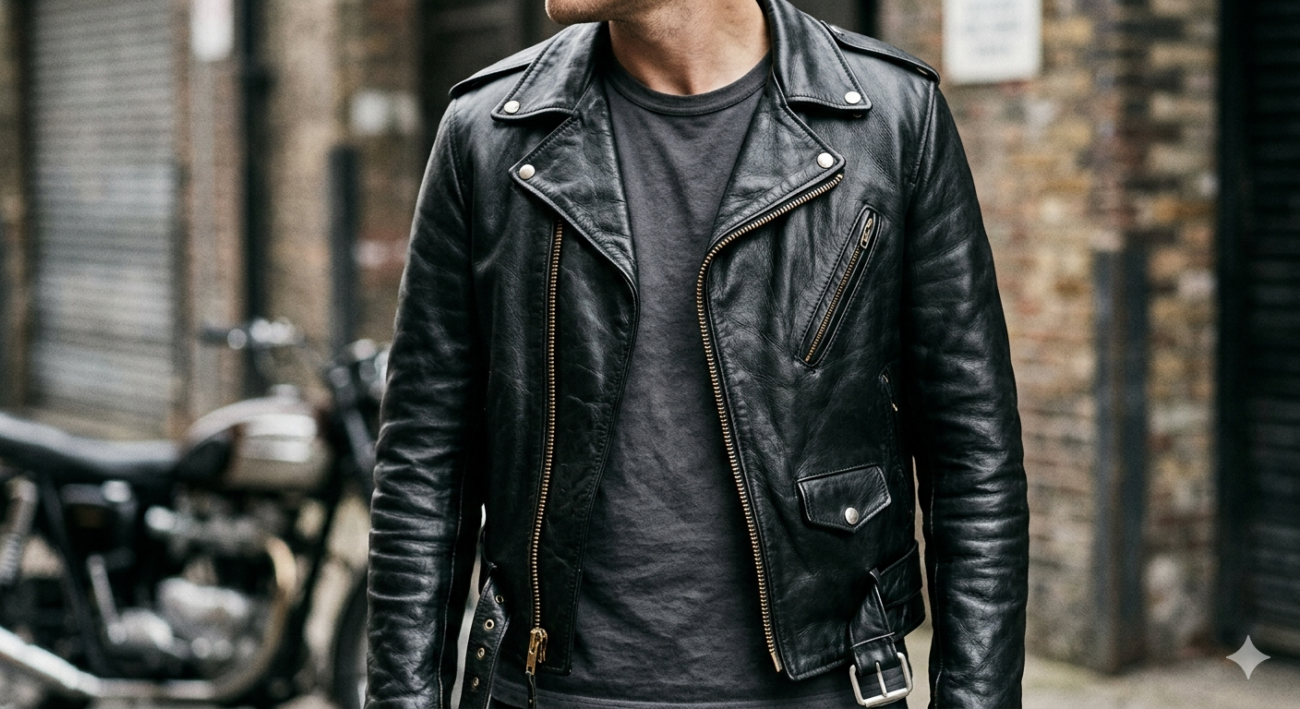
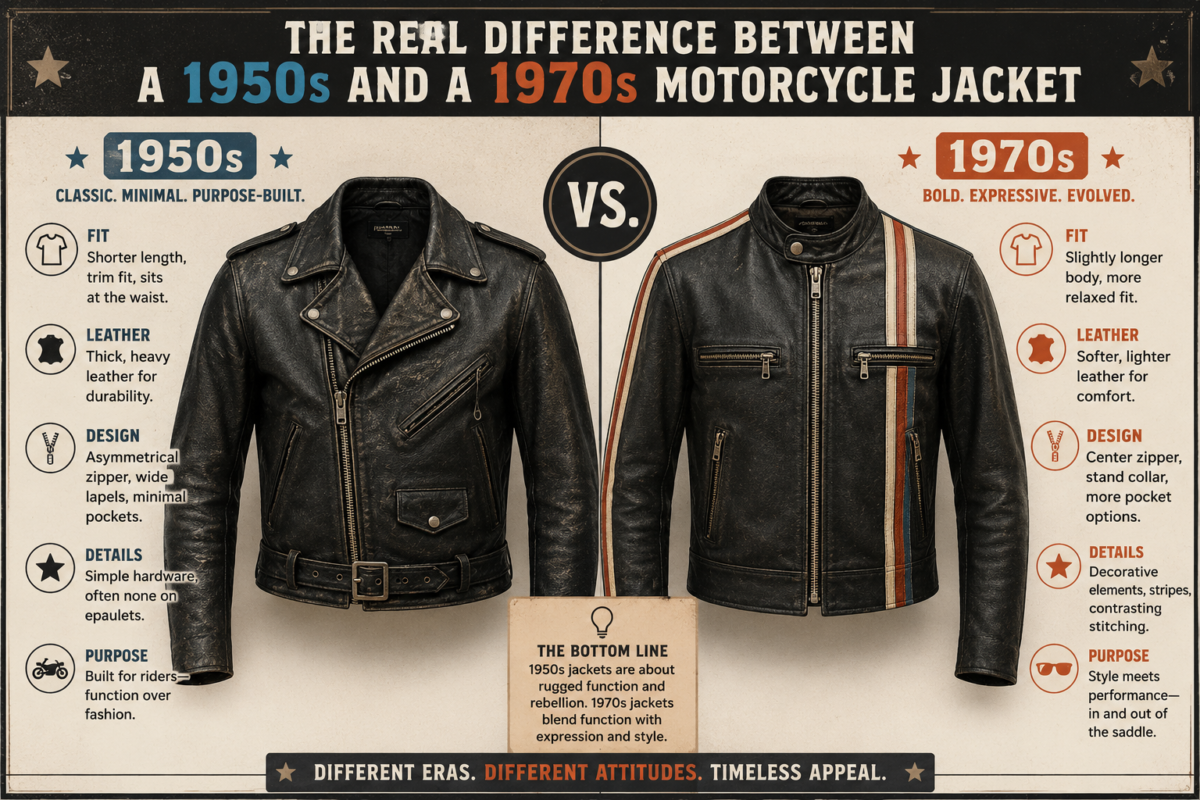
A faux moto leather jacket replicates the silhouette and visual authority of a traditional motorcycle jacket using synthetic materials rather than animal-derived hide. The moto silhouette is defined by specific architectural details: an asymmetric front zip that crosses the torso diagonally, pronounced structured lapels, snap-down epaulettes at the shoulder, a cropped-to-waist length, and hardware accents — rings, buckles, zip-hem closures — that nod to the jacket’s functional origins.
The synthetic leather itself is most commonly polyurethane, or PU leather. This is a polymer coating applied to a fabric base and engineered to mimic the grain, sheen, and hand feel of animal leather. At lower price points, PVC is used instead — less breathable, less durable, and with a less convincing visual texture. At the premium end, newer-generation vegan leathers — materials derived from apple waste, mushroom mycelium, cactus fibre, and other plant-based sources — are producing surfaces that challenge comparison with genuine hide in every meaningful way.
The best faux moto leather jacket is not an approximation. It is a considered alternative.
THE ANATOMY OF THE MOTO JACKET
Understanding the jacket’s construction allows you to shop with precision rather than hope. The key structural elements are:
The Asymmetric Zip
This is the jacket’s defining gesture. A quality zipper — YKK or an equivalent premium-grade fastener — moves fluidly under tension, sits flush to the body when closed, and shows no distortion or puckering at the seam line. Hardware weight matters: a zipper that feels light and hollow rarely performs long-term.
Lapels and Collar
Notched or peak lapels should hold their angle without folding inward. A quality faux leather moto jacket achieves this through internal interfacing — a structural layer that gives the lapel body and memory. Collar snap buttons allow the neckline to shift between the open-lapel look and a closed, upright collar, extending the jacket’s range considerably.
Sleeves and Shoulder Seams
The moto jacket is cut with a slight forward pitch in the sleeve — originally to accommodate the riding position, now a silhouette choice that creates a sharp, directional look. Shoulder seams should sit precisely at the shoulder point. Seams that fall short of the shoulder or creep down the arm signal poor construction or incorrect sizing.
Hardware, Buckles and Rings
Quality hardware carries weight. D-rings, belt buckles, and zip-hem closures on a well-made synthetic moto jacket are solid metal components, not hollow castings. They should be corrosion-resistant and attach to the jacket at double-stitched reinforcement points. Hardware is also where a jacket’s design identity lives — the difference between a piece that reads as fashion-forward and one that reads as costume.
THE CASE FOR FAUX: WHY SYNTHETIC LEATHER HAS WON THE ARGUMENT
The rise of the ethical moto jacket is not simply a reaction to cost. It reflects a substantive realignment of values across the contemporary fashion consumer — and increasingly, across the fashion industry itself.
The environmental and ethical arguments against conventional leather are now well-documented. The production of animal hide is bound up with significant carbon output, water consumption, and land use, in addition to the direct ethical question of animal welfare. A vegan moto jacket sidesteps the animal-use question entirely, and the best producers are investing in materials that reduce petrochemical reliance alongside it.
The practical arguments are compelling in parallel. A quality PU leather moto jacket requires less specialist maintenance than genuine leather — it does not need conditioning, it is more resistant to water ingress, and it holds its colour more consistently over time. The synthetic leather jacket, manufactured to a high standard, often outlasts its genuine-leather equivalent when subjected to everyday wear.
The old hierarchy — real leather above, synthetic below — no longer reflects reality at premium price points. The best faux moto leather jacket today is a product of serious material engineering, backed by intelligent construction.
HOW TO BUY A FAUX MOTO LEATHER JACKET: THE DECISION FRAMEWORK
Material: Prioritise PU leather over PVC. If budget allows, explore the newer plant-based alternatives — they offer improved hand feel and a stronger sustainability profile. Avoid any product where the material is described vaguely as simply ‘leather-look’ or ‘leather-style’ without further specification.
Construction: Examine stitching at every stress point — underarm seams, pocket mouths, hardware attachment points. Double-stitched seams are the baseline for any quality garment. Lining quality tells you as much about a manufacturer’s priorities as the exterior surface does: a well-finished interior in synthetic satin or polyester suggests care throughout production.
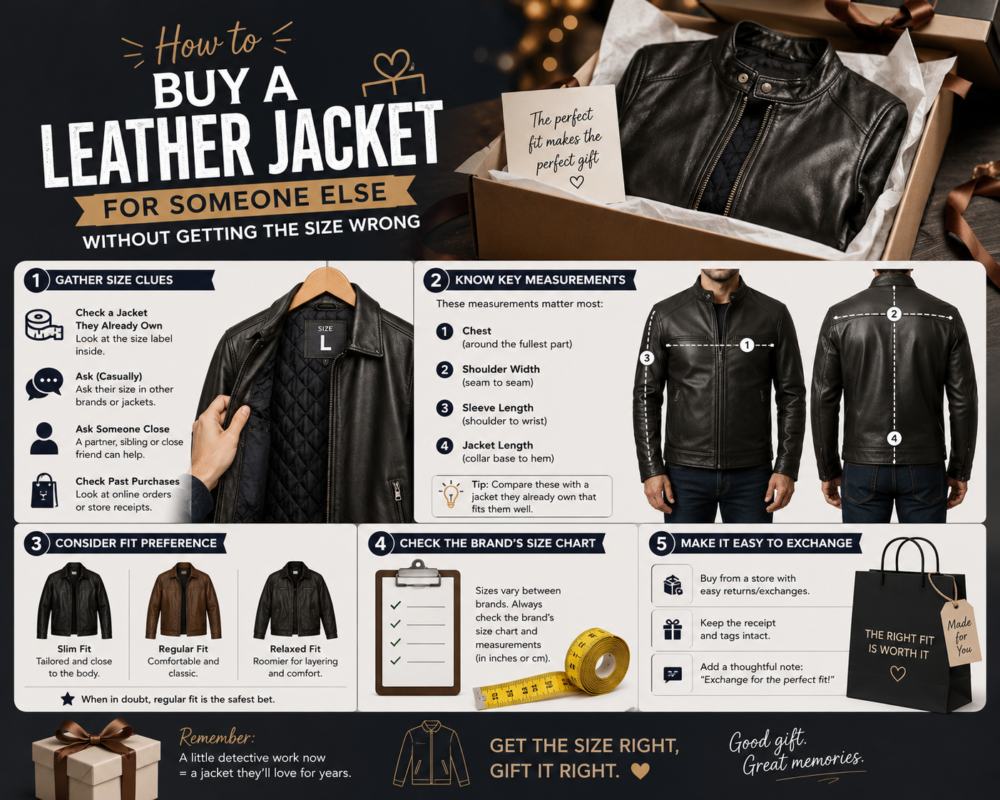
Fit: The moto silhouette is unforgiving of sizing errors. Shoulder seams at the exact shoulder point, a hem between the hip bone and natural waist, and sleeves that fall to the wrist with minimal break — these are non-negotiables. Size up only if you plan to layer underneath; the cropped moto line is designed to work at the natural waist.
Price and quality alignment: A quality faux moto leather jacket does not need to be expensive, but the lowest price points almost always represent compromises in material grade or construction. The sweet spot — where material quality, construction integrity, and design confidence converge — exists at the mid-to-upper market.
STYLING THE FAUX MOTO LEATHER JACKET
The moto jacket’s enduring appeal rests on its versatility. It operates across registers — casual to considered, street to evening — with a confidence that few outerwear categories can match.
For men, the faux leather moto jacket works against tailored trousers and leather loafers with the same authority it brings to slim jeans and low-profile trainers. The mens faux leather moto jacket is also a natural companion to layered knits — a heavy ribbed crew-neck worn underneath introduces texture and warmth without compromising the silhouette.
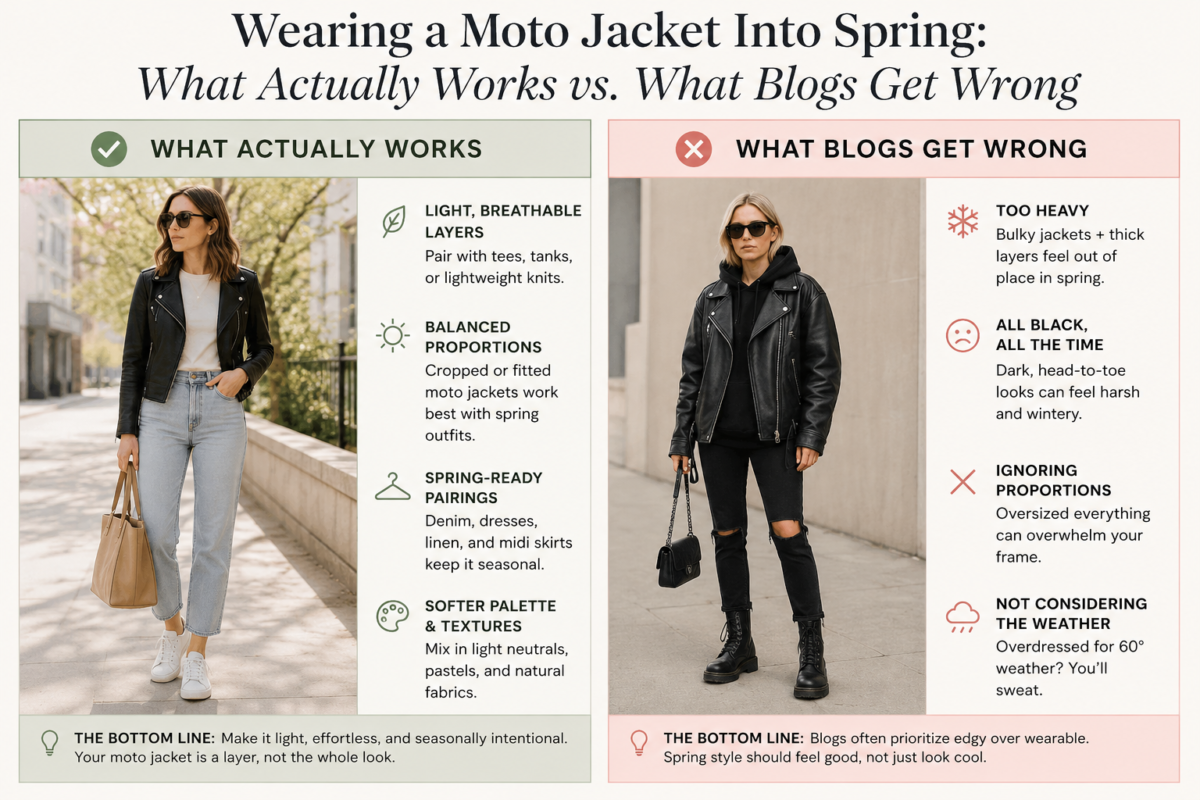
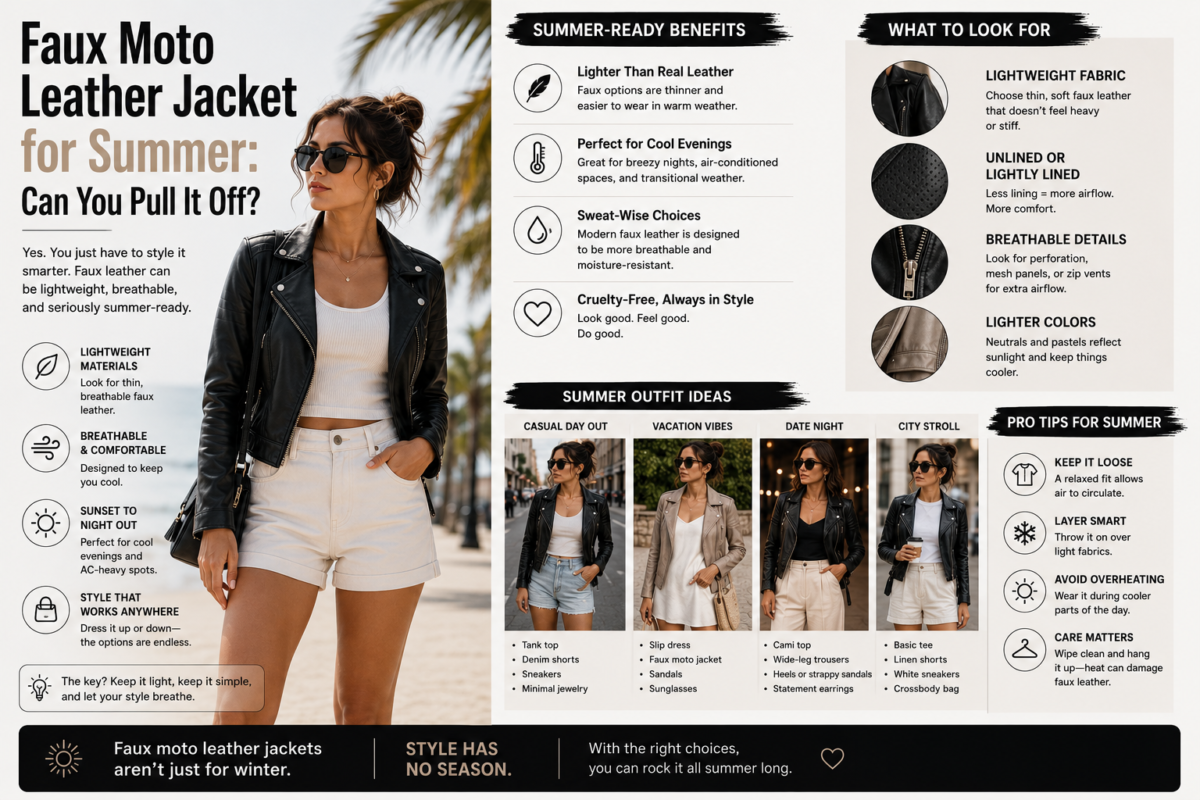
For women, the faux moto leather jacket for women has become a genuine wardrobe staple across style registers. Thrown over a slip dress with ankle boots, it creates the defining contrast the moto jacket does best — softness against structure. Worn with wide-leg trousers and a tucked shirt, it anchors a relaxed but directional daytime look. The faux leather cropped moto jacket is particularly versatile for proportion play — its abbreviated length pairs naturally with high-waisted cuts across jeans, skirts, and trousers.
The jacket’s one styling requirement: confidence. It is not a background piece.
CARING FOR YOUR JACKET
Faux leather responds to simple maintenance. Wipe the surface with a damp cloth and mild soap when needed — avoid submerging the jacket or machine washing unless the care label explicitly permits it. Allow to air-dry away from direct heat or sunlight. Store on a wide, padded hanger to maintain shoulder shape; folded storage over extended periods creates permanent crease marks in synthetic leather surfaces.
Condition the exterior periodically with a PU-compatible conditioner. This prevents the surface drying out — the primary failure mode of lower-grade PU leather, which cracks when dehydrated.
THE SUMMARY POSITION
The faux moto leather jacket is not a concession. At its best, it is a sophisticated, ethically considered, and highly versatile outerwear investment that competes credibly with the most storied alternatives in its category. It requires informed buying — understanding material grades, construction standards, and fit requirements — but rewards that attention with a piece built for long-term rotation.
Explore the OuterEdition edit: faux moto leather jackets curated for those who expect more from every layer they wear.