
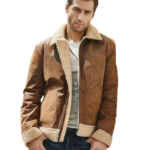
 Men’s Moto Leather Jackets
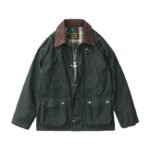 Faux Moto Leather Jacket
 Vintage Moto Leather Jacket
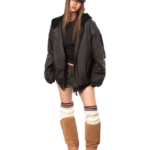 Women’s Moto Leather Jackets
 Faux Moto Leather Jacket
 Vintage Moto Leather Jacket Women
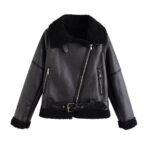 Cropped Moto Leather Jacket Women
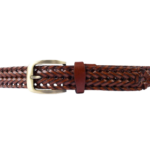 Men’s Leather Belts
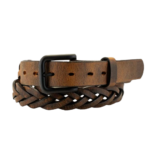 Full-Grain Leather Belt – Men
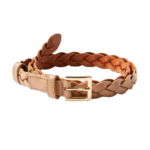 Braided Leather Belt – Men
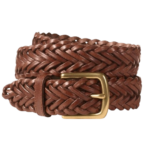 Leather Dress Belt – Men
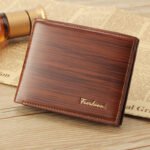 Leather Wallets
 Full- Grain Leather Wallets
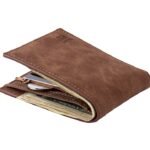 Tri-Fold Leather Wallets
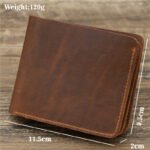 Saddleback Leather Wallets
 Moto Gloves
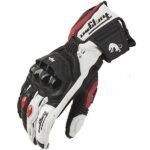 Moto Heated Gloves
Lambskin vs Cowhide Leather Jacket: Which Hide Actually Wins?

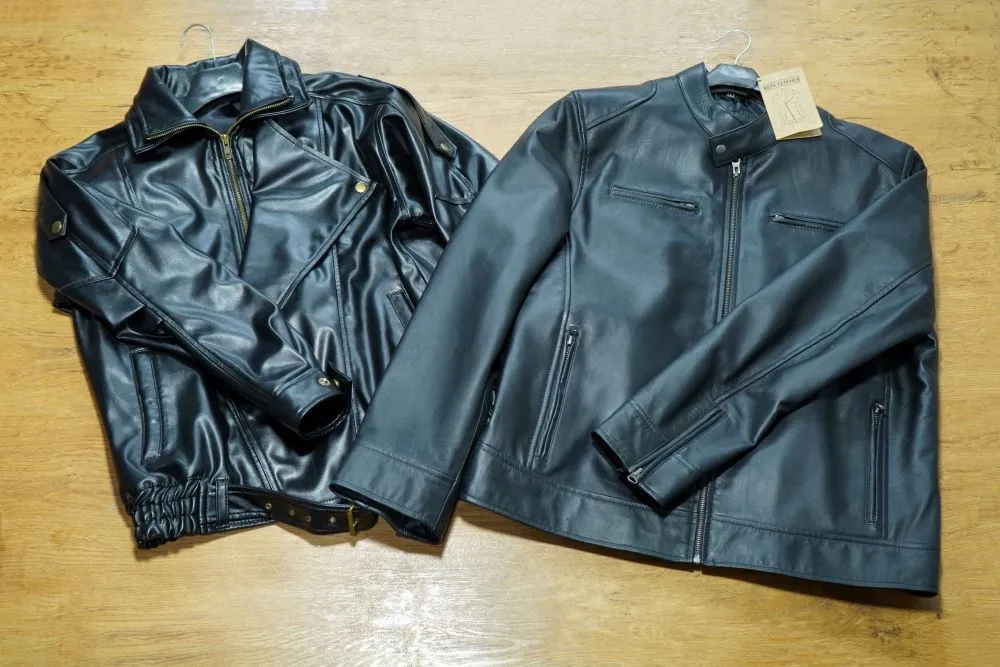
You have narrowed it down to leather. Smart move. Now comes the decision that most buyers skip right past because they do not realize how much it matters. The hide. Not the style, not the color, not the zipper hardware. The actual animal hide the jacket is built from.
The lambskin vs cowhide leather jacket debate is the one that determines how your jacket feels on day one, how it protects you when conditions get serious, how it ages over a decade of wearing, and ultimately whether it earns its place as a lifelong piece or ends up replaced in five years.
Both lambskin and cowhide are genuine, premium leather. Both are used by respected brands across the spectrum from fashion houses to motorcycle gear specialists. But they are built for completely different riders and completely different lives.
At Outer Edition, we build with genuine leather and we understand what each hide actually delivers in the real world. Here is the complete, honest breakdown of lambskin leather jacket vs cowhide so you can spend your money like someone who genuinely knows the difference.
Understanding the Two Hides
What Is Lambskin Leather?
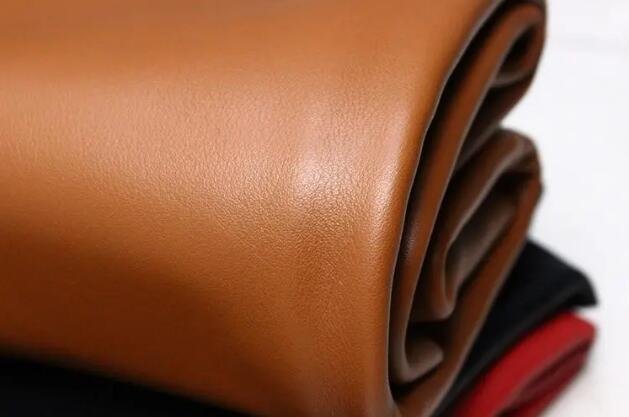
Lambskin leather comes from the hide of young sheep. Because the animal is younger and the hide is thinner, lambskin carries an extraordinarily soft, supple texture that no other mainstream leather material fully replicates. It is lightweight, naturally smooth, and conforms to the body with almost no break-in period required.
Lambskin has been the material of choice in luxury fashion for decades precisely because of these qualities. Designer houses, premium fashion labels, and style-forward brands reach for lambskin when they want to create something that feels genuinely exceptional against the skin. It reads as refined, elevated, and intentional in a way that heavier hides cannot deliver.

What Is Cowhide Leather?
Cowhide leather comes from fully grown cattle and it is the most widely produced leather in the world, accounting for roughly sixty-five to seventy percent of global leather output. Its abundance makes it more accessible in price than many premium hides, but its performance characteristics are anything but ordinary.
Cowhide is thick, dense, and extraordinarily durable. The fiber structure of a mature cowhide is tightly interlocked in a way that delivers exceptional abrasion resistance, weather resilience, and structural longevity. Motorcycle-grade cowhide is at minimum 1.3 millimeters thick and has been the standard material for serious riding protection since riders first started pushing machines at dangerous speeds. A cowhide jacket built and maintained properly can last thirty to forty years without structural failure.
The Head-to-Head Breakdown
1. Softness and Feel
If softness is your primary criterion in the lamb leather vs cow leather jacket conversation, lambskin wins without any contest.
Lambskin feels like butter. The texture is smooth, plush, and immediately conforming. Pick up a quality lambskin jacket and it already feels broken in before you have left the store. It drapes naturally, moves with your body, and sits against the skin with a comfort level that heavier leathers require months of wearing to approach.
Cowhide is firmer and more structured. A new cowhide jacket has a stiffness that is immediately apparent, particularly in the shoulders, chest, and sleeves. This is not a defect. It is a characteristic of a dense, protective material that has not yet molded to its wearer. With weeks and months of regular use, cowhide softens substantially and eventually delivers a tailored, second-skin fit that is uniquely shaped to the person who wore it. But that payoff requires patience upfront.
For anyone who wants immediate comfort and a lightweight, luxurious feel from day one, lambskin is the clear answer in the lambskin vs cowhide leather jacket softness category.
Edge: Lambskin, decisively, for immediate softness and comfort.
2. Durability and Protection
This is where the leather jacket lamb vs cow comparison shifts decisively and importantly.
Cowhide is one of the toughest natural materials used in garment manufacturing. Its dense, tightly fibered structure resists abrasion in ways that softer hides cannot match. This is why serious motorcycle riders, professional racers, and outdoor workers have relied on cowhide for generations. A cowhide jacket can absorb meaningful road contact, resist scrapes and scuffs in daily use, and handle environmental stress over decades without failing structurally.
Lambskin, despite its premium status, is meaningfully more delicate. The thinner hide and softer fiber structure that give lambskin its luxurious feel also make it more vulnerable to scratches, abrasion, and surface wear. A lambskin jacket worn daily in demanding conditions will show that wear significantly faster than a comparable cowhide piece. For fashion use in controlled environments, this is a manageable limitation. For riders who need real abrasion protection on the road, lambskin is not the right material choice.
Edge: Cowhide, significantly, for durability and road-ready protection.
3. Weight and Mobility
The weight difference between these two hides is one of the most immediately noticeable physical distinctions in the lambskin leather jacket vs cowhide comparison.
Lambskin is featherlight. Wearing a lambskin jacket feels like wearing an upgraded version of a casual garment rather than protective outerwear. This makes it exceptional for city wear, casual daily use, and situations where you will be putting the jacket on and taking it off throughout the day. For spring and early autumn riding in mild conditions, the lightweight nature of lambskin is a genuine comfort advantage.
Cowhide carries meaningful weight. A full cowhide motorcycle jacket has substance and physical presence that you feel from the moment you put it on. For some riders this feels exactly right. The weight contributes to the insulating properties of the jacket, adds a sense of protective armor-like coverage, and creates the structured silhouette that makes a proper biker leather jacket look the way it is supposed to look.
Edge: Lambskin for lightweight everyday comfort. Cowhide for structured, insulating, protective weight.
4. Appearance and Style
The visual difference between a lambskin and cowhide jacket is meaningful and worth understanding before you buy.
Lambskin has a smooth, clean surface finish with a subtle sheen that reads as sleek and refined. It is the leather of minimalist fashion silhouettes, fitted cuts, and elevated casual aesthetics. A lambskin jacket communicates luxury and intention in a way that suits fashion-conscious buyers who want leather to feel like an upgrade rather than armor.
Cowhide has visible grain, texture, and character in its surface that communicates toughness and authenticity. A cowhide jacket looks like it was built for a purpose and it carries that purposeful energy into every outfit it is part of. The classic biker leather jacket, the vintage moto leather jacket, and the heritage motorcycle pieces that have defined riding culture for seven decades are almost universally built from cowhide. The material is inseparable from the aesthetic it represents.
As cowhide ages, it develops a patina — a unique sheen and color evolution shaped by the life of the person who wore it. Two identical cowhide jackets worn by two different people for ten years will look meaningfully different from each other. That individuality is one of the most compelling qualities of the material and something lambskin, with its more uniform surface, does not replicate in the same way.
Edge: Lambskin for refined luxury aesthetics. Cowhide for authentic moto character and long-term visual evolution.
5. Weather Performance
Neither lambskin nor cowhide is a waterproof material without treatment, but they perform very differently in variable conditions.
Cowhide handles weather significantly better than lambskin. Its denser structure provides natural wind resistance, and with proper conditioning it develops meaningful water resistance that helps it manage light rain without immediate damage. A well-maintained cowhide jacket can be caught in a shower and recovered without permanent harm if it is dried naturally and conditioned promptly.
Lambskin is more vulnerable to moisture. The softer hide absorbs water more readily than cowhide and is more susceptible to permanent damage if it gets thoroughly wet without prompt care. A quality leather protector spray reduces this risk substantially, but lambskin still requires more careful weather management than cowhide. For riders in climates with frequent rain or unpredictable conditions, cowhide is the more practical everyday choice.
Edge: Cowhide for weather resilience and all-condition performance.
6. Aging and Longevity
This is perhaps the most compelling argument for cowhide in the lambskin vs cowhide leather jacket long-term value conversation.
Cowhide ages magnificently. The patina that develops over years of serious wearing adds character, uniqueness, and a sense of history that makes a well-worn cowhide jacket more valuable and more interesting over time rather than less. A cowhide jacket purchased and maintained properly in 2025 should still be a compelling, functional, and beautiful piece in 2055. That is not marketing language. That is the documented track record of the material across generations of riders and wearers.
Lambskin maintains its sleek appearance with attentive care, but it does not develop the same kind of transformative patina that cowhide does. It can look beautiful at ten years, but it requires more consistent maintenance to keep it looking its best, and the surface is more susceptible to showing cumulative wear in ways that cowhide naturally absorbs and integrates into its character.
Edge: Cowhide for spectacular long-term aging and generational durability.
7. Maintenance
Lambskin requires attentive, consistent care. It needs regular conditioning with a leather cream formulated for soft, delicate hides. It should be stored in a breathable garment bag away from direct sunlight and moisture. Surface oils from frequent handling can accumulate and alter the appearance over time, and the material is prone to stretching with repeated wearing if not stored properly on a wide hanger.
Cowhide is significantly more forgiving. It handles occasional moisture, minor scuffs, and environmental exposure better than lambskin, and while it benefits from regular conditioning to maintain suppleness and prevent cracking, it can manage with less frequent attention than lambskin requires. A cowhide jacket that is conditioned twice a year and stored reasonably will remain in excellent condition for decades.
Edge: Cowhide for low-maintenance durability. Lambskin for rewarding but demanding care.
8. Price and Long-Term Value
The lambskin vs calfskin leather jacket and broader hide pricing conversation is more nuanced than most buyers expect.
Lambskin often carries a higher upfront price in the fashion market due to its softness, limited supply relative to cowhide, and association with luxury branding. However, because lambskin is a more delicate material with a shorter practical lifespan under heavy use, the long-term cost per year of wear can be higher than cowhide despite the premium initial investment.
Cowhide is generally more accessible in price point, particularly for motorcycle-grade pieces, and its extraordinary longevity makes it one of the best value propositions in outerwear. A quality cowhide jacket purchased once and maintained properly will outlast multiple cycles of replacement in almost any other material category. Divide the cost of a great cowhide jacket by thirty years of service and the annual cost becomes remarkably modest.
Edge: Lambskin for upfront luxury positioning. Cowhide for exceptional long-term value per year of wear.
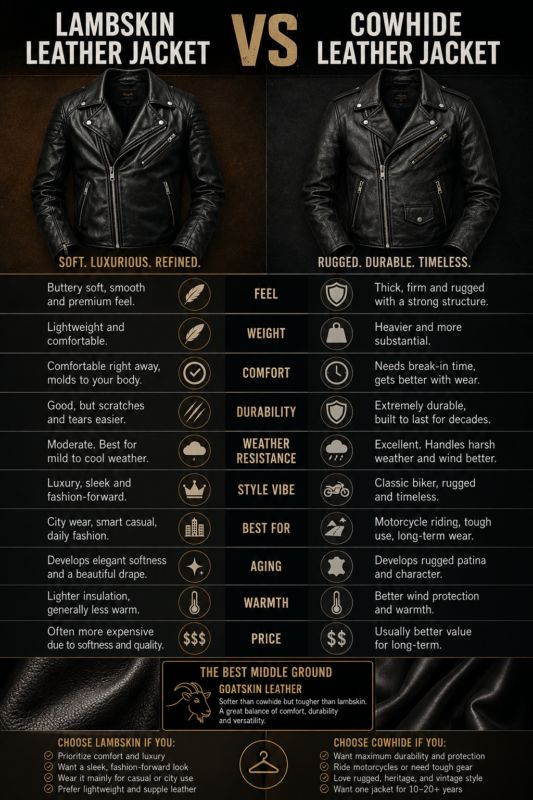
Quick Comparison: Lambskin vs Cowhide Leather Jacket
| Feature | Lambskin | Cowhide |
|---|---|---|
| Softness | Buttery, luxurious from day one | Firm, breaks in over time |
| Weight | Featherlight | Heavy and structured |
| Durability | Moderate, more delicate | Superior, built for decades |
| Abrasion Resistance | Low | Very high |
| Weather Performance | Best in dry, mild conditions | Handles variable conditions well |
| Break-in Period | Virtually none | Several weeks of wear |
| Aging | Maintains sleek look with care | Develops rich, unique patina |
| Maintenance | Requires regular attentive care | More forgiving, lower frequency |
| Upfront Cost | Often higher in fashion market | More accessible for most budgets |
| Long-term Value | Moderate | Exceptional |
| Best For | City use, fashion-first buyers | Riding, outdoor use, keepsake pieces |
Who Should Choose Lambskin?
Choose a lambskin leather jacket if you are a city rider or everyday wearer whose primary goal is softness, lightweight comfort, and a refined, luxury aesthetic. Choose lambskin if your riding is casual and mostly in mild, dry conditions, if you are shopping for a fashion piece that works across elevated casual and smart casual contexts, or if you want something that feels genuinely exceptional from the very first wear.
Lambskin is the right leather for buyers who prioritize the sensory experience of wearing the jacket and whose lifestyle does not demand the abrasion resistance and environmental resilience that serious riding requires.
Who Should Choose Cowhide?
Choose a cowhide leather jacket if you are a serious rider who needs real protection, if you want a piece that gets better with every passing year, or if you are making a single investment in outerwear that you expect to still be wearing decades from now. Choose cowhide if you ride in variable weather, if you want the authentic look and feel of a classic moto leather jacket built the way motorcycle jackets have always been built, or if you want a jacket that carries genuine cultural authority every time you wear it.
Cowhide is the leather for riders and style-conscious buyers who understand that the best jacket is not necessarily the softest one. It is the one that earns its character over time.
FAQs: Lambskin vs Cowhide Leather Jacket
Which is better for motorcycle riding: lambskin or cowhide?
Cowhide is significantly better for motorcycle riding. Its abrasion resistance, weather resilience, and structural durability make it the standard material for serious riding protection. Lambskin is too delicate for the demands of road contact and serious riding conditions.
Is lambskin real leather?
Yes. Lambskin is genuine leather made from the hide of young sheep. It is a natural material processed through tanning, not a synthetic alternative. Its softness comes from the age and fiber structure of the animal hide, not from any manufacturing process.
How long does a lambskin jacket last?
With proper care and attentive maintenance, a quality lambskin jacket can last many years. However, it will not reach the generational longevity of a well-maintained cowhide piece. Lambskin worn regularly in demanding conditions will show meaningful wear faster than cowhide.
What is the difference between lambskin and calfskin leather jacket?
In the lambskin vs calfskin leather jacket comparison, both are soft, premium hides from young animals. Calfskin comes from young cattle and is slightly more durable than lambskin while retaining much of the softness that distinguishes young animal hides from mature cowhide. Calfskin bridges the gap between the ultra-soft luxury of lambskin and the tougher performance of full cowhide.
How do you care for a cowhide leather jacket?
Apply a quality leather conditioner two to three times per year to maintain suppleness and prevent cracking. Wipe surface dirt with a barely damp cloth. Store on a wide hanger away from direct sunlight and prolonged moisture. Dry naturally after any significant moisture exposure before conditioning. Never machine wash or tumble dry.
The Outer Edition Perspective
At Outer Edition, every jacket in our collection is built from genuine leather with construction principles developed for riders who take their gear seriously. We understand that the hide is the foundation of everything. Get the hide right and the jacket performs, protects, and evolves into something that belongs to you in a way that no fast fashion piece ever will.
Whether you are drawn to the buttery luxury of lambskin for city riding and everyday style, or the raw, protective authority of cowhide for serious road use and long-term investment, the most important thing is that you understand what you are buying before you buy it.
Great leather is not a purchase. It is a commitment to quality that pays back over years and decades of wearing.
Shop the Outer Edition collection and find the leather jacket built for your life.
Keep Exploring at Outer Edition
Now that you have the full picture on lambskin vs cowhide leather jacket selection, the rest of your wardrobe decisions get easier. Not sure what to wear with a leather biker jacket to complete the look? We have the full styling guide. Stuck on color? Our brown vs black leather jacket breakdown makes the call simple. Deciding on silhouette? Read our bomber vs biker leather jacket comparison before you commit. Shopping for performance gear from the best names in the business? Our guide to the best biker leather jacket brands in 2026 covers the complete field. Want to go deeper on material comparisons? Our faux leather vs real leather jacket guide covers the synthetic question thoroughly, our suede vs leather jacket breakdown explores texture within genuine leather, and our denim vs leather jacket guide settles that classic style debate once and for all. Browse our full moto leather jacket, biker leather jacket, and vintage moto leather jacket collections to find the piece that defines your riding life.
At Outer Edition, the road is waiting. Gear up with the hide that earns it.