 Men’s Moto Leather Jackets
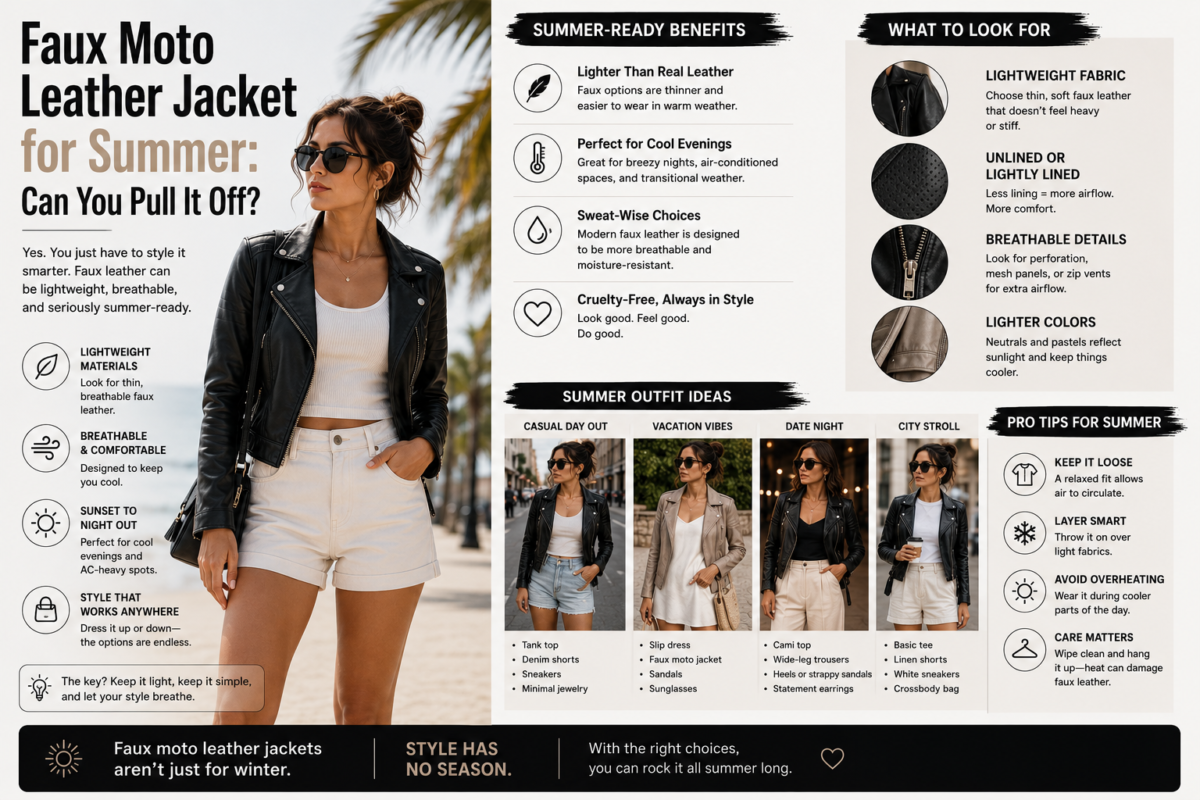
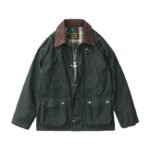 Faux Moto Leather Jacket
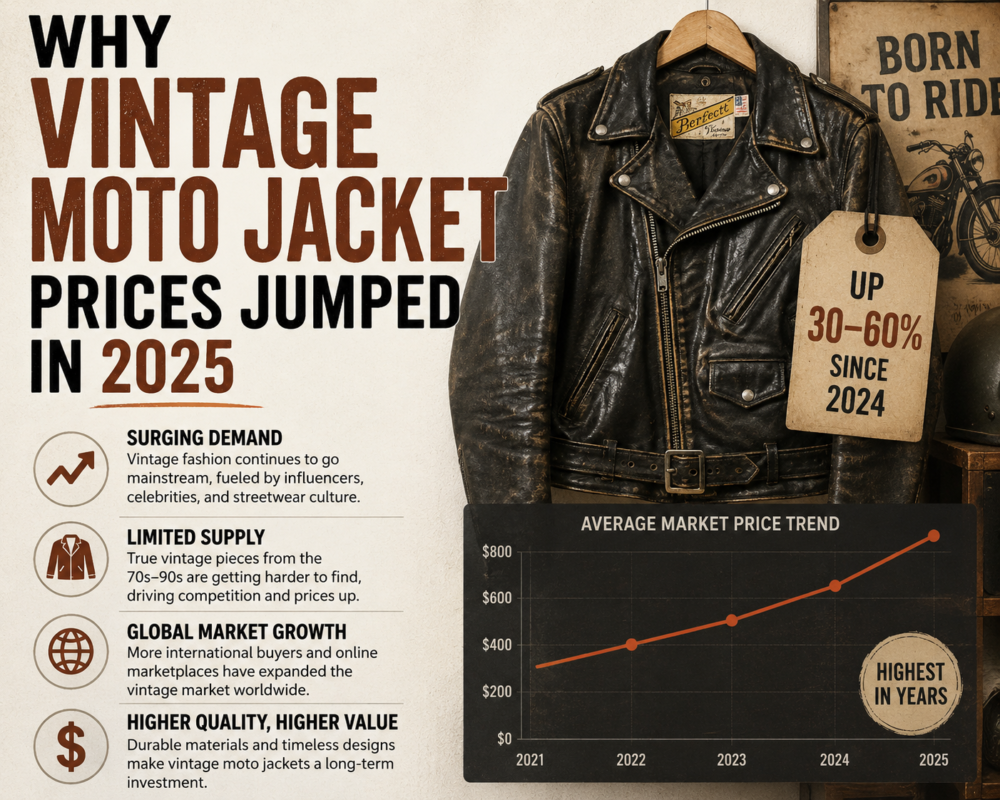
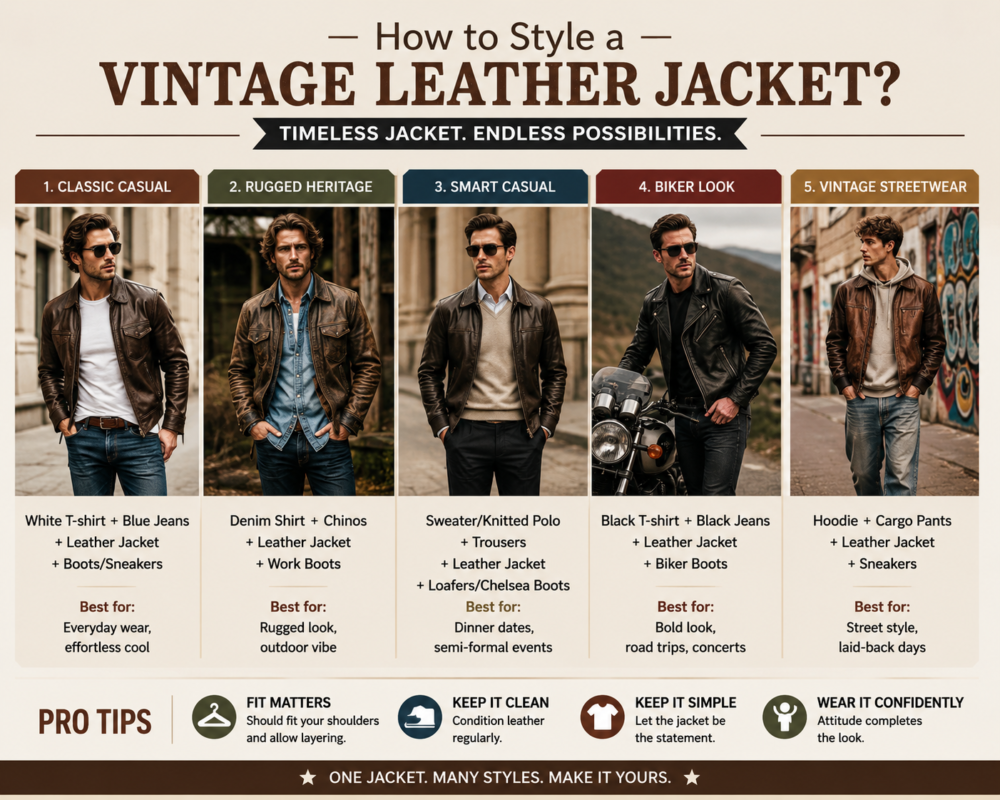
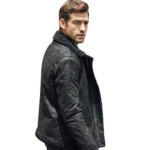 Vintage Moto Leather Jacket
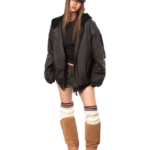 Women’s Moto Leather Jackets
 Faux Moto Leather Jacket
 Vintage Moto Leather Jacket Women
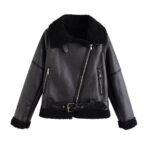 Cropped Moto Leather Jacket Women
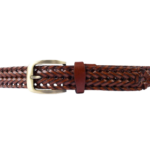 Men’s Leather Belts
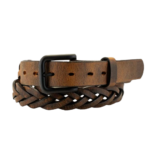 Full-Grain Leather Belt – Men
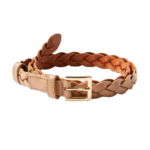 Braided Leather Belt – Men
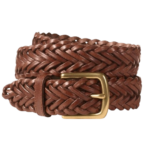 Leather Dress Belt – Men
 Leather Wallets
 Full- Grain Leather Wallets
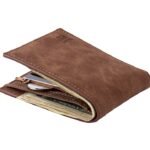 Tri-Fold Leather Wallets
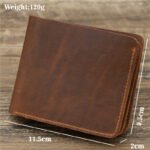 Saddleback Leather Wallets
 Moto Gloves
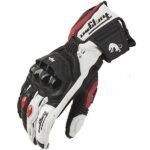 Moto Heated Gloves
Lambskin vs Sheepskin Leather Jacket: Which One Belongs in Your Wardrobe?

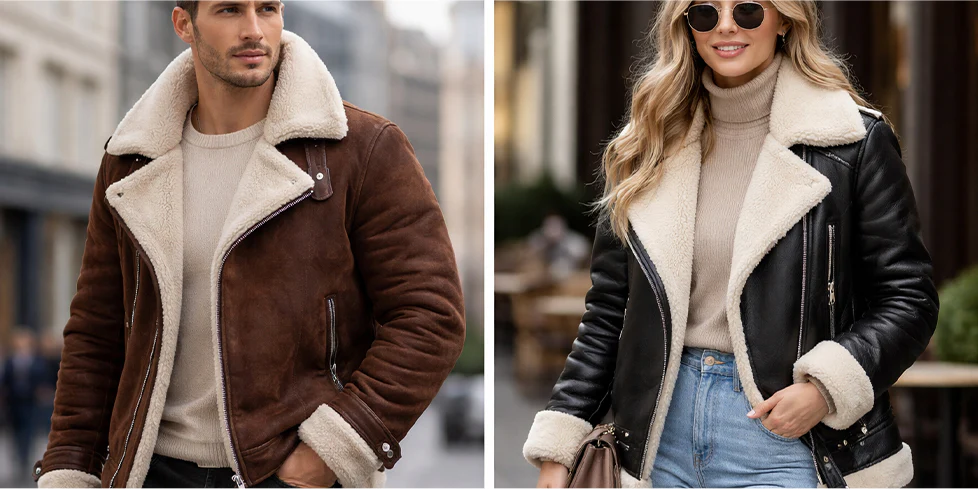
Most people walk into a leather jacket conversation thinking the big decision is biker or bomber, black or brown, fitted or relaxed. What they do not realize is that the decision sitting underneath all of that — the one that determines how the jacket actually feels, performs, and ages — is the hide itself.
The lambskin vs sheepskin leather jacket question is one that separates buyers who truly understand leather from everyone else who is simply going by looks and price tags. Both materials come from sheep. Both are genuine, premium leather. Both are used by respected brands across fashion and outerwear. But they serve different needs, perform differently across seasons, and suit different lifestyles in ways that matter enormously once you understand what you are actually choosing between.
At Outer Edition, we build with genuine leather and we know what each material actually delivers in real-world use. Here is the complete, honest breakdown of the sheep vs lamb leather jacket debate so you can buy with confidence.
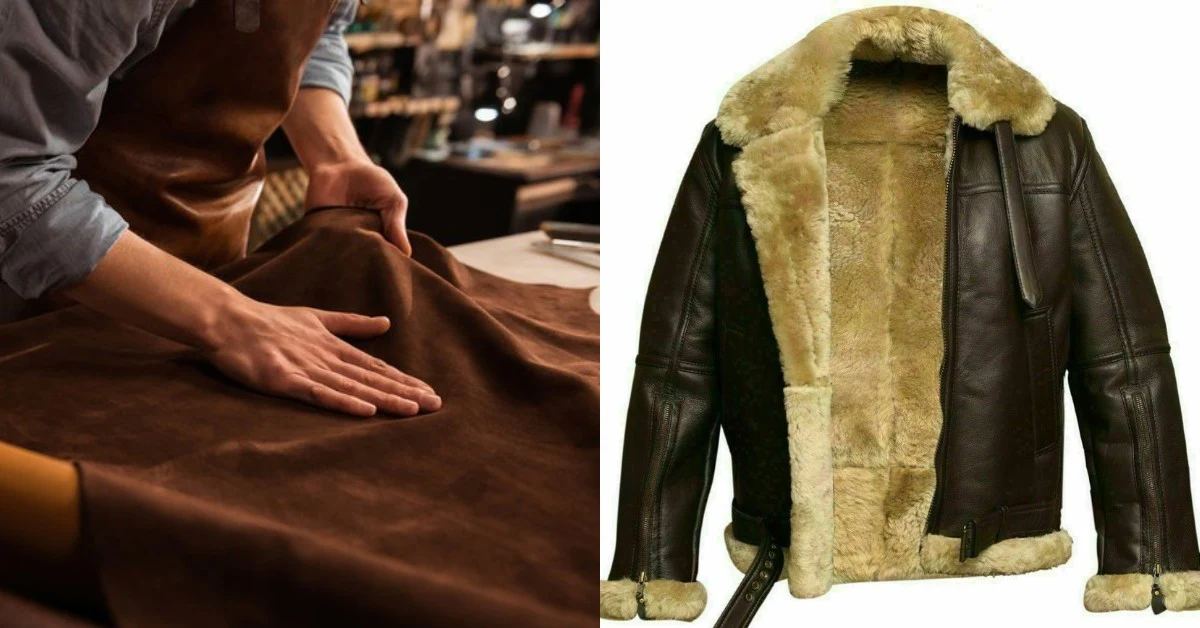
Sheepskin Leather

Lambskin Leather
At a Glance: Lambskin vs Sheepskin Leather Jacket Summary
Not ready to read the full breakdown yet? Here is the quick-reference verdict across every category that matters.
| Category | Lambskin | Sheepskin | Winner |
|---|---|---|---|
| Softness | Buttery soft from day one | Firmer exterior, plush wool interior | Lambskin |
| Warmth | Moderate, cool weather use | Superior, serious cold-weather performer | Sheepskin |
| Weight | Featherlight | Substantial and enveloping | Lambskin |
| Durability | Moderate, more delicate | High, thicker hide and natural oils | Sheepskin |
| Abrasion Resistance | Low | Moderate | Sheepskin |
| Weather Performance | Best in dry, mild conditions | Handles cold and wind well | Sheepskin |
| Break-in Period | Virtually none | Minimal | Lambskin |
| Style Aesthetic | Sleek, modern, luxury fashion | Classic, heritage, rugged outerwear | Depends on preference |
| Aging and Patina | Maintains sleek look with care | Develops rich, beautiful patina | Sheepskin |
| Maintenance | Regular delicate conditioning | Brush wool plus condition leather | Draw |
| Best Season | Spring, autumn, mild winter | Autumn, winter, cold climates | Depends on climate |
| Best For | City riding, fashion-first buyers | Cold climates, outdoor use, heritage look | Depends on lifestyle |
| Price Range | Premium | Premium to high-end | Draw |
The one-line verdict: Choose lambskin for softness, style, and lightweight city wear. Choose sheepskin for warmth, durability, and serious cold-weather riding.
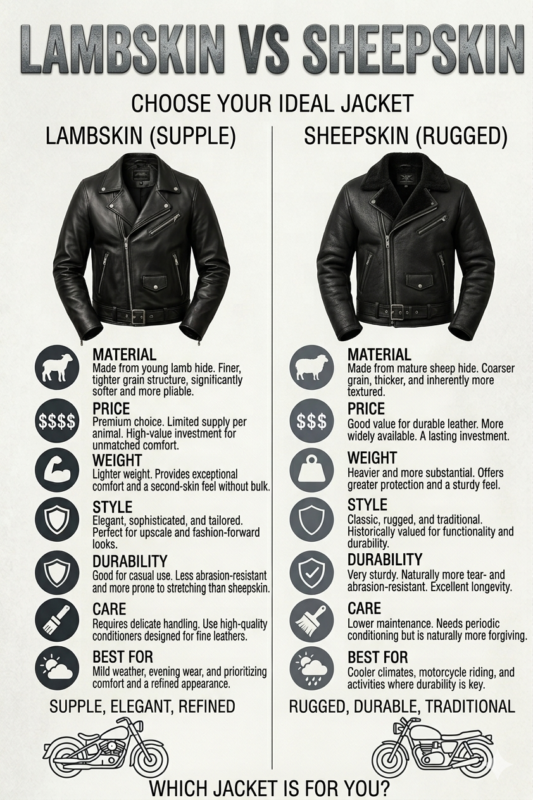
First, Are They Actually Different Materials?
Yes, and the difference matters more than most people expect.
Both lambskin and sheepskin come from sheep, but the age of the animal at the time of processing creates a significant difference in the resulting leather.
Lambskin comes from young sheep, typically under one year old. Because the animal is young, the hide is thinner, finer-grained, and exceptionally soft. Lambskin does not retain the wool. The hide is processed after the fleece is removed, leaving a clean, supple leather surface that is celebrated in luxury fashion for its buttery texture and featherlight weight.
Sheepskin comes from mature sheep and is typically processed with the wool still attached to the hide. That wool lining is what gives sheepskin its defining characteristic: exceptional natural insulation. The leather side of sheepskin is thicker and more robust than lambskin, and the combination of tough leather exterior and warm wool interior creates a jacket that performs in ways a pure leather piece cannot.
Same animal, meaningfully different material. That is the foundation of the lambskin vs sheepskin leather jacket conversation.
The Head-to-Head Breakdown
1. Texture and Feel
The tactile difference between these two materials is immediate and unmistakable.
Lambskin has a smooth, buttery surface that feels like luxury from the first moment you touch it. It is plush, soft, and almost impossibly comfortable against the skin. There is virtually no break-in period. A quality lambskin jacket conforms to your body from day one and continues to improve in fit with regular wear. The surface has a fine grain and a subtle natural sheen that reads as sleek and sophisticated.
Sheepskin leather, on the exterior side, has a more pronounced grain and a slightly coarser surface compared to the fine polish of lambskin. The character is rugged and classic rather than refined and sleek. On the interior, the wool lining creates a plush, tactile comfort that is entirely different from the smooth lining of a lambskin jacket. Sheepskin feels substantial and enveloping in a way that lambskin, for all its softness, does not.
Edge: Lambskin for surface softness and refined texture. Sheepskin for the enveloping warmth and comfort of the wool interior.
2. Warmth and Insulation
This is the category where sheepskin separates itself most clearly from lambskin and from virtually every other jacket material.
The natural wool lining of a sheepskin jacket is one of the most effective insulation systems available in outerwear. Wool fibers trap air and retain body heat in a way that synthetic linings and bare leather cannot replicate. A sheepskin jacket keeps you genuinely warm in temperatures that would make most other jackets feel inadequate. For cold climate riders, winter commuters, and anyone who spends meaningful time outdoors in freezing conditions, sheepskin is a serious performance material.
Lambskin without the wool lining offers moderate warmth. The leather itself provides some wind resistance and insulation, but it lacks the active heat-retention of natural wool. Lambskin is well-suited for cool weather, mild autumn days, and environments where you need a jacket but not a serious cold-weather defense system.
Edge: Sheepskin, clearly and significantly, for warmth and cold-weather performance.
3. Weight and Mobility
The weight difference between these two materials shapes how each jacket feels to wear on a daily basis.
Lambskin is featherlight. Putting on a lambskin jacket feels like wearing an elevated version of a casual garment rather than outerwear. The thin, supple hide allows complete freedom of movement, makes layering simple, and reduces fatigue during long periods of wear. For city riders and everyday urban wearers who put the jacket on and take it off multiple times throughout the day, the lightweight nature of lambskin is a genuine quality-of-life advantage.
Sheepskin carries meaningful weight from the combination of the thicker leather hide and the wool interior. It has a substantial, enveloping presence that some wearers find deeply satisfying and others find restricting depending on their build and wearing preferences. The weight is inseparable from the warmth, so the tradeoff is direct: the heavier the sheepskin piece, generally the more insulating it will be.
Edge: Lambskin for lightweight everyday comfort and unrestricted movement. Sheepskin for substantial, protective weight in serious cold.
4. Durability
The durability comparison between the sheep vs lamb leather jacket category follows a predictable pattern based on the thickness and maturity of the respective hides.
Sheepskin, coming from a mature animal with a thicker hide, is the more durable of the two in terms of resistance to wear and abrasion. The leather is tougher, and the presence of natural oils in a mature sheepskin hide adds to its weather resilience. A well-maintained sheepskin jacket can last for decades and develops a genuinely beautiful patina over years of use.
Lambskin is more delicate. The thinner hide that gives lambskin its legendary softness also makes it more susceptible to scratches, scuffs, and surface wear under demanding conditions. A lambskin jacket treated carefully in appropriate conditions will last many years, but it requires more attentive care and more controlled conditions to maintain its appearance compared to sheepskin. It is not a fragile material, but it has limits that sheepskin does not.
Edge: Sheepskin for long-term durability and resilience under regular demanding wear.
5. Appearance and Style
The visual language of these two materials points in different directions, and understanding which aesthetic speaks to you is a significant part of choosing between them.
Lambskin presents as sleek, modern, and elevated. The smooth surface and natural sheen give lambskin jackets a clean, fashion-forward appearance that works in upscale casual and smart casual contexts. Lambskin is the leather that luxury brands reach for when they want to communicate refinement and contemporary sophistication. It transitions from day to evening without looking like riding gear or heavy outerwear.
Sheepskin presents as classic, rugged, and heritage-rich. The more textured exterior surface, combined with the visible or partially visible wool trim at the collar and cuffs in many sheepskin designs, creates a look that is deeply rooted in aviation heritage, military tradition, and outdoor culture. A sheepskin jacket communicates experience, durability, and a connection to the history of serious outerwear in a way that lambskin, for all its elegance, does not match.
Edge: Lambskin for sleek modern aesthetics. Sheepskin for timeless heritage character.
6. Weather and Seasonal Performance
Understanding when to reach for each jacket is one of the most practically useful outcomes of the lambskin vs sheepskin leather jacket comparison.
Lambskin is best suited to mild and cool weather. It performs well in spring, early autumn, and cool summer evenings. It is not a jacket built for serious winter cold or heavy rain. With a quality leather protector spray applied regularly, it can handle light moisture, but extended exposure to heavy rain can cause damage to the thinner hide.
Sheepskin is a dedicated cold-weather performer. The wool lining handles temperatures that would make most other jackets inadequate, and the thicker leather exterior provides meaningful wind resistance. If you need a jacket that works in genuinely cold conditions while looking exceptional and aging beautifully, sheepskin is one of the strongest choices available in natural outerwear materials.
Edge: Lambskin for three-season versatility. Sheepskin for serious cold-weather performance.
7. Maintenance and Care
Both materials require care, but the specifics differ in ways worth knowing before you buy.
Lambskin needs regular conditioning with a leather cream formulated for soft, delicate hides. It should be stored in a breathable garment bag away from direct sunlight, heat sources, and prolonged moisture exposure. The surface is prone to showing oil absorption from frequent handling, and the material can stretch over time if not stored on a proper wide hanger. Lambskin rewards attentive care with a long, beautiful life.
Sheepskin requires care for both the leather exterior and the wool interior. The wool should be brushed regularly to maintain its texture and prevent matting. The leather benefits from occasional conditioning to prevent drying and cracking. Sheepskin should be dried naturally and never near direct heat after any moisture exposure, and professional cleaning is recommended for deep cleaning rather than attempting home washing.
Edge: Neither material is low-maintenance. Sheepskin requires dual-surface care. Lambskin requires delicate surface protection. Both reward consistent attention.
8. Price and Value
In the lambskin vs sheepskin leather jacket price conversation, both materials occupy premium territory relative to cowhide and faux alternatives, but for different reasons.
Lambskin commands a premium price in the fashion market due to the softness and rarity of the hide combined with its association with luxury branding. A quality lambskin jacket typically sits at the higher end of the leather jacket price range.
Sheepskin pricing reflects the complexity of producing a jacket with both a leather exterior and a genuine wool interior. High-quality sheepskin outerwear is a meaningful investment, but the warmth, longevity, and heritage value of a great sheepskin piece make it one of the strongest long-term investments in outerwear available.
Both materials offer excellent value relative to their synthetic alternatives when the long-term lifespan is factored into the cost per year of wear.
Edge: Both represent strong long-term investments. Sheepskin offers more functional performance per dollar for cold-climate buyers. Lambskin delivers more fashion versatility per dollar for mild-climate city wearers.
Who Should Choose Lambskin?
Choose a lambskin leather jacket if you prioritize softness, lightweight comfort, and a refined, fashion-forward aesthetic. Choose lambskin if your riding and wearing is primarily in mild, dry conditions, if you are building a city wardrobe around elevated casual and smart casual contexts, or if you want leather that feels genuinely luxurious from the very first time you put it on.
Lambskin is the leather for buyers who want their jacket to feel like an upgrade to everything they are wearing, not an addition of weight and structure on top of it.
Who Should Choose Sheepskin?
Choose a sheepskin leather jacket if you live in or regularly ride through genuinely cold conditions and you want outerwear that handles those conditions with authenticity and grace. Choose sheepskin if you want a jacket that carries deep heritage in every stitch, that develops a beautiful patina over decades of use, or if you value the proven warmth of natural wool insulation over the sleekness of a lighter fashion piece.
Sheepskin is the leather for buyers who want their jacket to be ready for serious weather while looking better every year they wear it.
FAQs: Lambskin vs Sheepskin Leather Jacket
Which is more durable: lambskin or sheepskin?
Sheepskin is more durable. The thicker hide from a mature animal provides better abrasion resistance and structural longevity than the thinner, more delicate lambskin hide. Both materials last many years with proper care, but sheepskin handles demanding conditions more robustly.
Can you wear a lambskin jacket in winter?
A lambskin jacket provides moderate warmth and works well in cool autumn and mild winter conditions. For serious cold weather, sheepskin with its natural wool lining provides significantly better insulation. If you ride or spend time outdoors in freezing temperatures, sheepskin is the more appropriate material.
Is lambskin real leather?
Yes. Lambskin is genuine leather made from the hide of young sheep. The wool is removed during processing, leaving a clean leather surface. It is a natural material, not a synthetic, and it is considered one of the most premium grades of leather available in fashion garment manufacturing.
How do you care for a sheepskin leather jacket?
Brush the wool interior regularly with a soft bristle brush to maintain its texture and prevent matting. Condition the leather exterior two to three times per year with a product suitable for sheepskin. Allow the jacket to dry naturally after any moisture exposure and never use direct heat sources to accelerate drying. Store on a wide hanger in a cool, dry environment.
Which is better for a moto leather jacket: lambskin or sheepskin?
For a moto leather jacket focused on riding protection, neither lambskin nor sheepskin offers the abrasion resistance of cowhide or horsehide. Between the two, sheepskin provides better durability. However, for a biker leather jacket or vintage moto leather jacket prioritizing style and everyday street use rather than track-level protection, lambskin delivers a sleeker moto aesthetic while sheepskin offers a more heritage-inspired look.
The Outer Edition Perspective
At Outer Edition, we believe that understanding your material is the first step in building a wardrobe that actually works. A leather jacket is only as good as the hide it is built from, and knowing the real difference between lambskin and sheepskin is what separates confident buyers from people who get home with a jacket that does not fit their life.
Our leather jacket collection is built around genuine hides and biker-centric construction for riders who want gear that performs on the road and looks exceptional everywhere else. Whether you are drawn to the buttery luxury of lambskin for city riding and everyday style, or the heritage warmth of sheepskin for serious cold-weather performance, the most important thing is that you choose intentionally and choose quality.
Great leather is not just outerwear. It is the piece that defines the rest of what you are wearing.
Shop the Outer Edition collection and find the leather jacket built for your road.
Keep Exploring at Outer Edition
Now that you have the full picture on the lambskin vs sheepskin leather jacket question, the rest of your wardrobe decisions become much clearer. Not sure what to wear with a leather biker jacket to build a complete look from the ground up? We have the full styling guide. Torn on color? Our brown vs black leather jacket breakdown settles that debate confidently. Deciding on silhouette? Read our bomber vs biker leather jacket comparison before you commit. Shopping for the best performance names in the market? Our guide to the best biker leather jacket brands in 2026 covers the complete field. Want to go deeper on material comparisons? Our faux leather vs real leather jacket guide covers the synthetic question thoroughly, our suede vs leather jacket breakdown explores texture within genuine leather, and our denim vs leather jacket guide covers that classic style debate completely. Browse our full moto leather jacket, biker leather jacket, and vintage moto leather jacket collections to find the piece that belongs in your riding life.
At Outer Edition, every ride deserves the right leather. Come find yours.