 Men’s Moto Leather Jackets
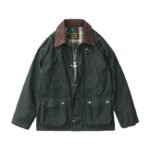 Faux Moto Leather Jacket
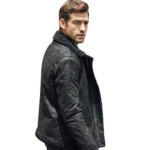 Vintage Moto Leather Jacket
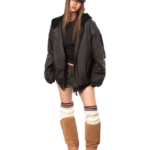 Women’s Moto Leather Jackets
 Faux Moto Leather Jacket
 Vintage Moto Leather Jacket Women
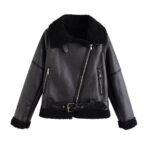 Cropped Moto Leather Jacket Women
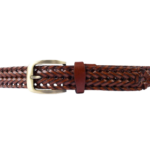 Men’s Leather Belts
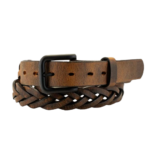 Full-Grain Leather Belt – Men
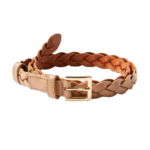 Braided Leather Belt – Men
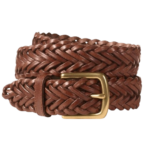 Leather Dress Belt – Men
 Leather Wallets
 Full- Grain Leather Wallets
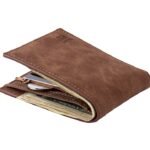 Tri-Fold Leather Wallets
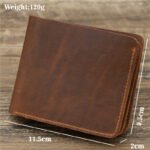 Saddleback Leather Wallets
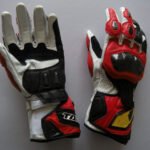 Moto Gloves
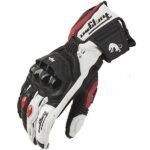 Moto Heated Gloves
Faux Moto Leather Jacket for Winter: Layering Guide That Actually Works

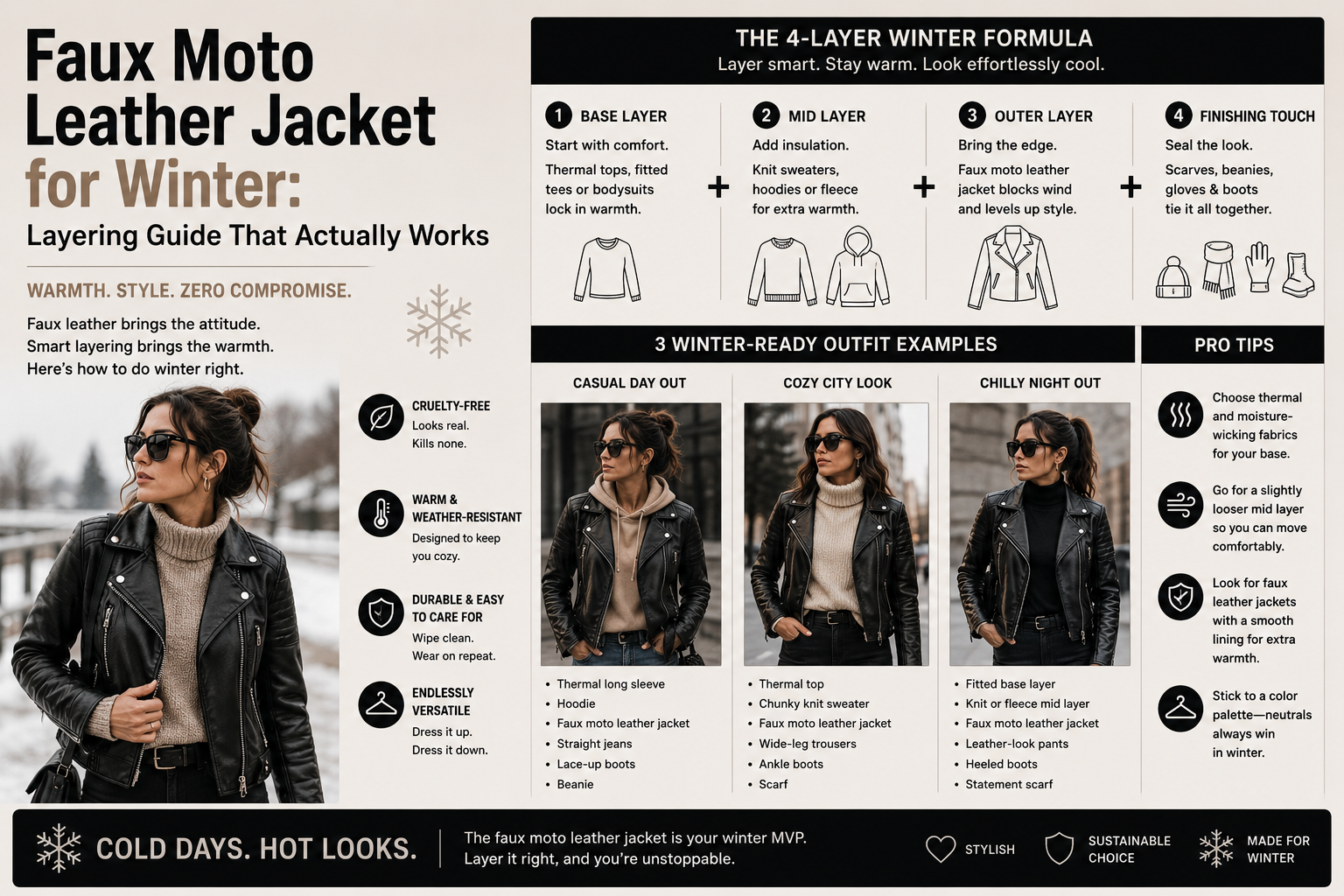
The faux moto leather jacket is not insulated. It does not trap warmth the way a down jacket or a heavy wool coat does. And yet riders and style-conscious dressers have been making moto jackets work in cold weather for decades, because the silhouette is too good to retire on the first cold day of October.
The trick is layering with intention — building warmth underneath and around the jacket in a way that does not collapse the silhouette or turn a sharp jacket into a shapeless bundle. Here is what actually works.
WHY THE MOTO JACKET IS HARDER TO LAYER THAN IT LOOKS
Most outer layers are designed to accommodate bulk underneath. A parka, a puffer, a structured wool coat — these have room built into the cut. The moto jacket does not. It is fitted by design, and that fit is what gives it its visual authority. Add a thick sweater underneath and the jacket strains at the shoulders, refuses to close, and loses the crisp lines that make it worth wearing.
This means layering strategy for a moto jacket in winter is specifically about thin, warm layers rather than thick ones.
THE FOUNDATIONAL LAYER: THERMAL BASE
In genuinely cold temperatures — below 10 degrees Celsius — a thermal base layer is the most effective first step. Merino wool base layers in particular offer a warm-to-thickness ratio that most synthetics do not match. A fitted merino crew neck adds meaningful warmth with almost no visual or physical bulk. It sits tight enough against the body that the moto jacket sits exactly as it would without any layer underneath.
Thermal long-sleeve tops in synthetic performance fabrics work similarly. The key is that the base layer should be fitted to the body, not loose. A loose base layer creates bunching under a fitted jacket and makes the silhouette read as bulky rather than structured.
THE MID LAYER: THE TURTLENECK APPROACH
A lightweight turtleneck is one of the most functional and visually coherent mid layers for a moto jacket. It adds warmth at the neck — one of the more significant heat-loss areas — while creating a clean look that pairs naturally with the jacket’s collar and hardware. A fitted merino or fine-knit turtleneck in a neutral color does not compete with the jacket’s visual weight.
Avoid chunky knit turtlenecks: these create bulk at the neck and chest that fights the jacket’s lines rather than complementing them.
An alternative that many people overlook is a fitted quilted vest worn between the base layer and the jacket. Vests add warmth at the core without adding bulk at the sleeves, which is where a moto jacket’s fit is most sensitive. A thin down or synthetic-fill vest under the jacket can extend a three-season jacket into genuinely cold conditions while keeping the outer silhouette intact.
ACCESSORY LAYERING: WHERE YOU GAIN THE MOST
Scarf, gloves, and hat are where you gain the most warmth per square inch of coverage — and none of them affect the jacket’s fit. A heavyweight wool or cashmere scarf wrapped at the neck adds substantial warmth. Leather or wool-lined gloves cover the hands. A fitted beanie or wool watch cap handles heat loss at the head.
Together, these accessories can make a faux moto leather jacket functional in temperatures where a lighter layering system would struggle. They also have the advantage of being removable as conditions change through the day.
OUTER LAYERING: GOING OVER THE JACKET
For the coldest days, some wearers layer a longer coat over the moto jacket rather than under it. A long wool overcoat worn open over a moto jacket is a combination that appears in street style imagery for a reason: it works visually and practically. The moto jacket handles the close-fitting structured layer; the coat handles the outer weather protection and additional warmth.
This approach works best with a coat that is either deliberately oversized or cut generously enough to accommodate the jacket’s shoulder structure without pulling. A coat that is too fitted at the shoulders will not sit correctly over a moto jacket.
WHAT TO AVOID
Thick hoodies under a fitted moto jacket will either prevent the jacket from closing or deform its shoulders — usually both. If you want the hoodie-under-leather look, choose a lightweight fitted hoodie and accept that the jacket will be worn open as a style choice rather than a warmth strategy.
Heavy scarves wrapped so bulkily around the neck that they obscure the jacket’s collar hardware undo much of the visual work the jacket is doing. The goal is warmth that serves the look, not warmth that buries it.
THE WINTER MOTO JACKET IS A REAL OPTION
With the right layering system, a faux moto leather jacket is a legitimate cold-weather outer layer rather than a jacket you put away until spring. The silhouette remains intact, the look remains sharp, and the warmth is there when you build it correctly.
OuterEdition‘s faux moto leather jackets and vintage moto leather jackets are cut with enough structure to hold their shape through layering season. Find the one worth building your cold-weather rotation around.