
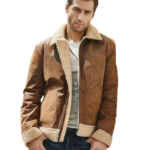
 Men’s Moto Leather Jackets
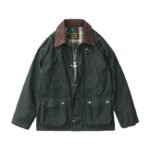 Faux Moto Leather Jacket
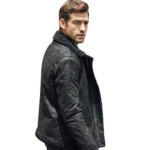 Vintage Moto Leather Jacket
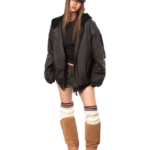 Women’s Moto Leather Jackets
 Faux Moto Leather Jacket
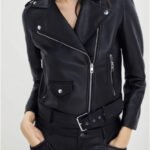 Vintage Moto Leather Jacket Women
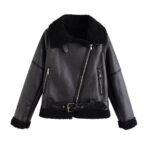 Cropped Moto Leather Jacket Women
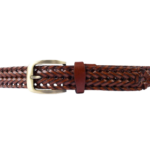 Men’s Leather Belts
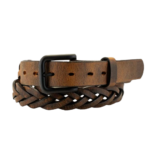 Full-Grain Leather Belt – Men
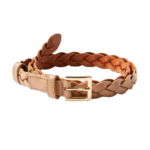 Braided Leather Belt – Men
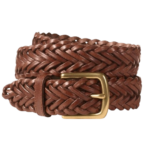 Leather Dress Belt – Men
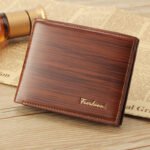 Leather Wallets
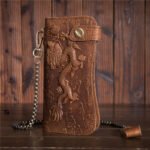 Full- Grain Leather Wallets
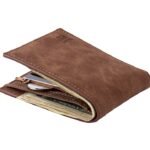 Tri-Fold Leather Wallets
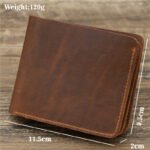 Saddleback Leather Wallets
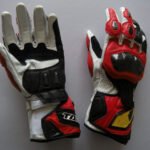 Moto Gloves
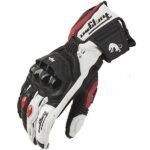 Moto Heated Gloves
What Is the Difference Between a Biker Jacket and a Cafe Racer Jacket?

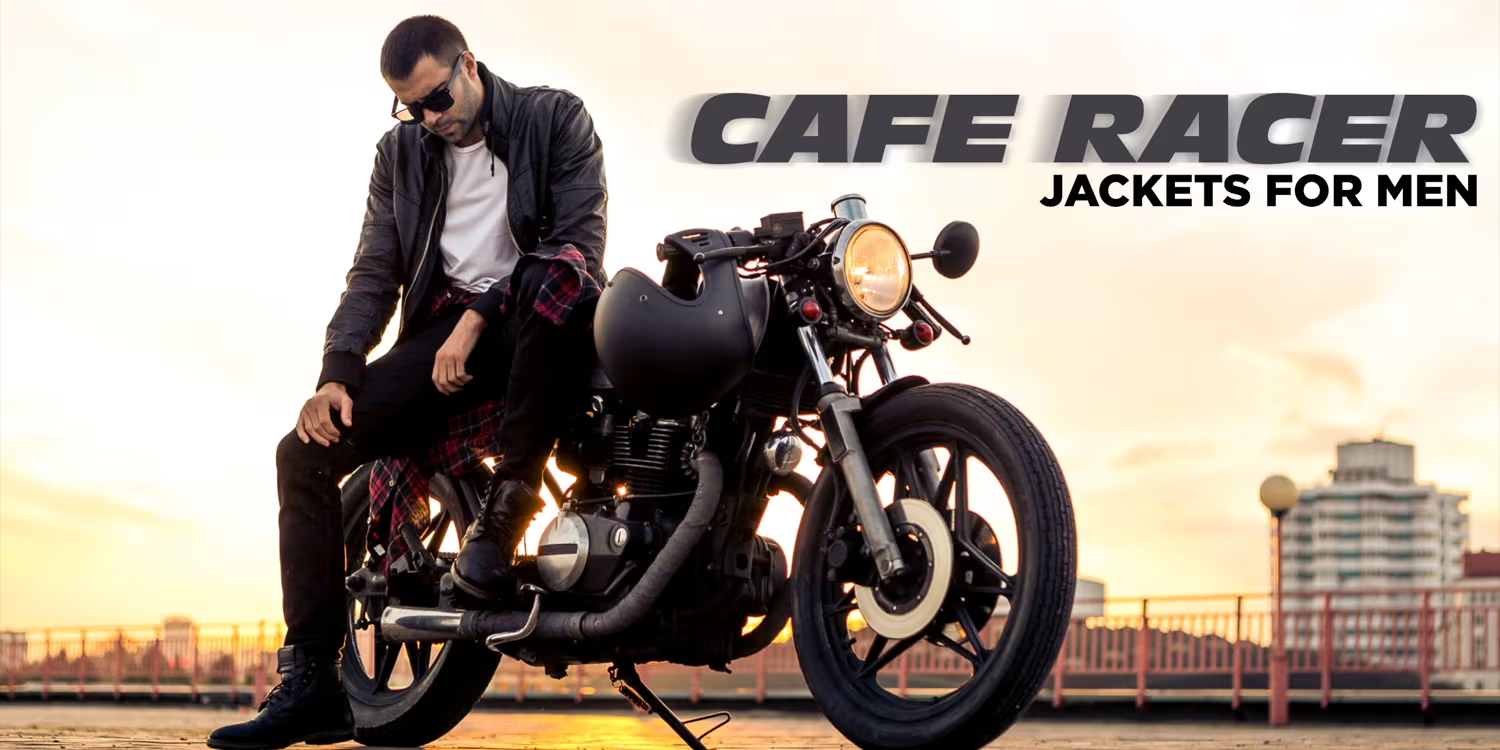
A biker jacket and a cafe racer jacket are both leather motorcycle jackets, but they are built on completely different design philosophies. The biker jacket is bold, hardware-heavy, and built for protection and attitude. The cafe racer jacket is minimal, close-fitting, and built for speed and versatility.
Same roots. Opposite personalities. Here is everything you need to choose between them.
Where Did Each Jacket Come From?
The two jackets come from different eras of motorcycle culture, and that origin shapes everything about how they look and feel.
The biker jacket traces back to 1928 when Schott NYC produced the original Perfecto, the first commercially available motorcycle jacket in the United States. It was designed for road protection, not fashion. Thick cowhide. Diagonal zip. Wide lapels. Built to take impact and keep a rider intact at speed. Marlon Brando wore one in The Wild One in 1953 and turned a functional garment into a cultural symbol of rebellion overnight.
The cafe racer jacket came three decades later, born out of 1960s Britain. The Ton-Up Boys and the Rockers were racing lightweight bikes between transport cafes on British A-roads. Their culture was about precision and speed, not bulk and attitude. They needed a jacket that worked aerodynamically, sat close to the body, and did not interfere with aggressive riding posture. Lewis Leathers in London became one of the defining suppliers of this style during that era. The result was the cafe racer jacket: stripped down, streamlined, and built for performance over presence.
Two different problems. Two different solutions. Both became icons.
What Are the Specific Design Differences Between a Biker Jacket and a Cafe Racer?
There are five design elements where the two jackets diverge completely.
The collar. A biker jacket uses wide lapels with a snap-down collar that folds open. It creates a broad, dramatic neckline. A cafe racer jacket uses a short stand collar, also called a mandarin or band collar. It sits tight against the neck, reduces wind drag, and gives the jacket its clean, vertical silhouette. This single difference changes the entire visual character of the jacket.
The zipper. A biker jacket runs an angled diagonal zip offset to one side of the chest. That asymmetry is deliberate. It adds to the aggressive, asymmetrical look that defines the style. A cafe racer uses a straight center zip down the middle. Symmetrical. Clean. Nothing to distract from the overall silhouette.
The hardware. Biker jackets carry significantly more exterior hardware: shoulder epaulets, waist belt straps, zippered cuffs, multiple chest and waist pockets, and heavy metal buckles. All of it adds to the visual noise and the physical weight. Cafe racer jackets strip this back to the minimum: two or three clean pockets, zipped cuffs, and no epaulets. What you do not see is as important as what you do.
The silhouette. A biker jacket is cut with room for layering. It sits away from the body and accommodates a hoodie or thick sweater underneath. A cafe racer is cut close and tapered. It is designed to zip flush against the body and sit tight across the chest and arms. On the bike, this tighter fit reduces wind resistance. Off the bike, it creates a sharper, more refined profile.
The weight. A full-grain cowhide biker jacket typically runs between 1.4mm and 2.0mm hide thickness. Many classic biker jackets weigh between 1.5kg and 2.0kg. A cafe racer jacket in comparable cowhide typically uses 1.2mm to 1.5mm hide and sits closer to 1.0kg to 1.4kg. That weight difference is noticeable over a full day of wear.
How Do the Two Jackets Differ in Terms of Fit?
Fit is where the practical difference becomes most obvious.
A biker jacket is meant to feel substantial. The shoulders sit wide. The chest has breathing room. You can pull a thick knit or hoodie underneath and still move freely. If the jacket feels snug in the chest without any layering, it is too small.
A cafe racer jacket is meant to feel like a second layer, not an outer shell. The shoulder seam should sit precisely at the edge of your shoulder bone. The chest should close without strain but should not have excess fabric bunching at the front. Sleeves end at the wrist bone. Body length hits at the belt line. If you size up too far to accommodate layering, you lose the entire point of the silhouette.
One sizing rule that applies to both: the shoulder seam is non-negotiable. On a leather jacket of either style, a drooping shoulder seam cannot be tailored out without a full rebuild. Get that right first and work from there.
What Leather Is Used in Each Style and Does It Differ?
Both styles use similar leather types, but the hide weight tends to differ by design intent.
Cowhide is the traditional choice for biker jackets. It is the most abrasion-resistant option, holds its structured shape well, and develops a deep patina over years of wear. Classic biker jackets were built heavy by design. The weight was part of the protection.
Cafe racer jackets use cowhide too, but also commonly use goatskin and lambskin. Goatskin has a naturally pebbled grain, handles wear well, and tends to be lighter than equivalent cowhide. Lambskin is the softest and lightest option and drapes immediately against the body. For a cafe racer, where the close fit is part of the appeal, lambskin and lighter goatskin work with the silhouette rather than against it.
For riding, both styles should use hide at 1.3mm or above. Fashion versions of both jackets exist at lighter weights, but they should be treated as lifestyle pieces rather than protective gear.
Is a Biker Jacket or Cafe Racer Better for Motorcycle Riding?
Both can be built for genuine riding protection, but the design priorities differ.
A biker jacket in full-grain cowhide at 1.5mm or above offers significant abrasion resistance and the structured build supports armor inserts at the shoulders and elbows. The bulk that looks dramatic off the bike is functional on it.
A cafe racer jacket built for riding uses heavier cowhide, reinforced seam construction, and CE-rated armor pockets or pre-installed CE Level 1 or Level 2 armor under EN 17092, the European standard for motorcycle protective clothing. The closer fit of a cafe racer also means it stays in position during a slide rather than riding up the body.
The practical difference: a biker jacket is generally better for longer road miles and harsher conditions because the heavier build provides more passive protection. A cafe racer is better for daily commuting and shorter rides where the lighter weight and closer fit work in your favor without compromising safety.
Fashion versions of both jackets, particularly thin lambskin cafe racers, are not riding gear. Do not treat them as such.
Which Jacket Is More Versatile for Everyday Wear?
The cafe racer jacket wins on versatility for most everyday contexts.
The reason is the collar. A cafe racer’s stand collar sits flat and symmetrical when the jacket is worn open. It does not dominate the outfit the way a biker jacket’s wide lapels do. This means the cafe racer works over a turtleneck, a fine knit, a plain tee, a button-down, or even a tailored shirt without creating a visual conflict. The biker jacket’s lapels demand more from the outfit underneath to balance their presence.
A biker leather jacket makes a stronger single statement. When that statement fits the occasion, nothing else comes close. At a gig, on a weekend ride, or anywhere that rewards edge and attitude, the biker jacket is the right tool. For an office-casual environment, a date, or a smart-casual dinner, the cafe racer travels further.
If you are buying one leather jacket and you need it to cover the widest range of situations, the cafe racer is the more practical choice. If you already have versatile outerwear and want something with presence and history, the biker jacket earns its place.
How Do You Style a Biker Jacket vs a Cafe Racer?
The two jackets call for different outfit approaches, but both have a clear formula.
Styling a biker jacket: Distressed jeans and leather boots is the base combination that never fails. The jacket is built for contrast, so pair it with simpler pieces underneath. A plain white tee, a grey marl sweatshirt, or a black roll-neck all let the jacket dominate. Add a chain bracelet or aviator sunglasses if you want to commit fully to the aesthetic. Avoid anything too structured or tailored underneath because the jacket does not want competition.
For more outfit combinations across leather jacket styles, our breakdown of what to wear with leather biker jacket covers every pairing worth knowing.
Styling a cafe racer: Dark slim jeans and Chelsea boots is the baseline. A fine knit or turtleneck works perfectly underneath because the stand collar of the cafe racer creates a clean line that complements elevated basics. For a more casual take, a hoodie without bold graphics and relaxed jeans with chunky sneakers works well. The cafe racer becomes the structured, premium layer that upgrades everything underneath it. For a monochrome approach, black jacket, black tee, black jeans, and black boots creates a high-impact minimal look that photographs particularly well.
What Is the Price Difference Between a Biker Jacket and a Cafe Racer?
Quality leather jackets of either style represent a genuine long-term investment, but the price ranges differ slightly based on construction complexity.
Biker jackets at the quality level worth buying typically start around £350 to £450 for genuine full-grain or top-grain cowhide from a reputable maker. The hardware, multiple pocket construction, and heavier hide contribute to the higher material and labor cost. Heritage biker jackets from established names like Schott NYC start above £400 and move well beyond £600 for premium builds.
Cafe racer jackets in comparable quality leather typically start around £280 to £380. The simpler hardware and cleaner construction reduce some of the manufacturing cost. However, the close-fit tailoring demands more precise pattern cutting, which maintains the price floor at a similar level to biker jackets.
In both cases, anything below £200 in genuine leather is a warning sign about hide quality, stitching standards, or both. A jacket that costs £150 and uses split leather or bonded leather will not last, will not develop a patina, and will not protect you. Spend once and spend right.
How Do Biker Jackets and Cafe Racers Differ in Terms of Ageing and Patina?
Both styles age in the same way: better with wear. But the visual effect of that ageing differs.
A biker jacket in heavy cowhide develops a patina that emphasizes its structure. The creases form at the elbows and across the chest. The leather darkens at pressure points. The hardware develops a subtle burnish. After two to three years of regular wear, a quality biker jacket looks visibly richer and more characterful than when it was new. The ageing reinforces the jacket’s attitude.
A cafe racer in cowhide or goatskin develops a more refined patina. The creases are subtler because the jacket sits closer to the body and moves with it rather than against it. The leather softens progressively and conforms to your specific posture and arm position. After the same two to three years, a quality cafe racer jacket looks like it was made specifically for you.
Lambskin cafe racers age differently again. They soften faster and develop a buttery drape rather than structural creasing. They do not develop the same depth of patina as cowhide but they retain their suppleness longer without conditioning.
If you are investing in a moto leather jacket as a long-term wardrobe piece, cowhide or goatskin in either style will outlast and outlook any synthetic alternative for decades.
Why Outer Edition for Both Jacket Styles?
Outer Edition carries both biker and cafe racer jackets built on the same principle: real hides, honest construction, and proportions that work for riders and non-riders alike. Every jacket in the Outer Edition range is specified with leather type and hide weight on the product page because buyers who understand leather know to look for those numbers. Whether you are drawn to the attitude of a biker leather jacket or the precision of a cafe racer, Outer Edition builds them to earn their place in your wardrobe over years of wear rather than one season. The jackets look better broken in than they do on the hanger. That is the standard we hold every piece to.
Frequently Asked Questions
What is the main difference between a biker jacket and a cafe racer jacket? A biker jacket has wide lapels, an angled diagonal zip, and heavy exterior hardware. A cafe racer jacket has a stand collar, a straight center zip, and minimal detailing. Biker jackets are bold and rebellious. Cafe racer jackets are clean and precise.
Which is older, the biker jacket or the cafe racer jacket? The biker jacket is older. Schott NYC produced the original Perfecto in 1928. The cafe racer jacket emerged from 1960s British motorcycle culture, roughly three decades later.
Is a cafe racer jacket the same as a moto jacket? Not exactly. A moto jacket is a broad category that includes biker jackets, cafe racers, scrambler jackets, and other riding styles. A cafe racer jacket is a specific type of moto jacket defined by its stand collar, straight center zip, and minimal silhouette.
Which jacket is better for motorcycle riding? Both can be built for genuine riding protection. Biker jackets in heavier cowhide offer more passive protection for longer road miles. Cafe racer jackets with CE-rated armor and heavier cowhide perform well for commuting and shorter rides. Check for CE Level 1 or Level 2 certification under EN 17092 regardless of which style you choose.
Which jacket is easier to style for everyday wear? The cafe racer jacket is more versatile for everyday use because the stand collar and minimal hardware work across more outfit combinations. The biker jacket makes a stronger single statement but requires more commitment from the rest of the outfit.
Can you wear a vintage biker or cafe racer jacket for riding today? A vintage moto leather jacket can offer some protection if the hide is in good condition, but it will not meet modern CE protection standards. Use a vintage piece as a lifestyle jacket and invest in a current CE-certified jacket for actual riding.
What is the weight difference between the two jackets? A full-grain cowhide biker jacket typically weighs between 1.5kg and 2.0kg. A cafe racer jacket in comparable cowhide typically weighs between 1.0kg and 1.4kg. The difference is noticeable across a full day of wear.
Which leather type is best for each style? Full-grain or top-grain cowhide is the traditional choice for biker jackets. Cafe racer jackets work well in cowhide, goatskin, or lambskin depending on whether your priority is durability, balance, or comfort.