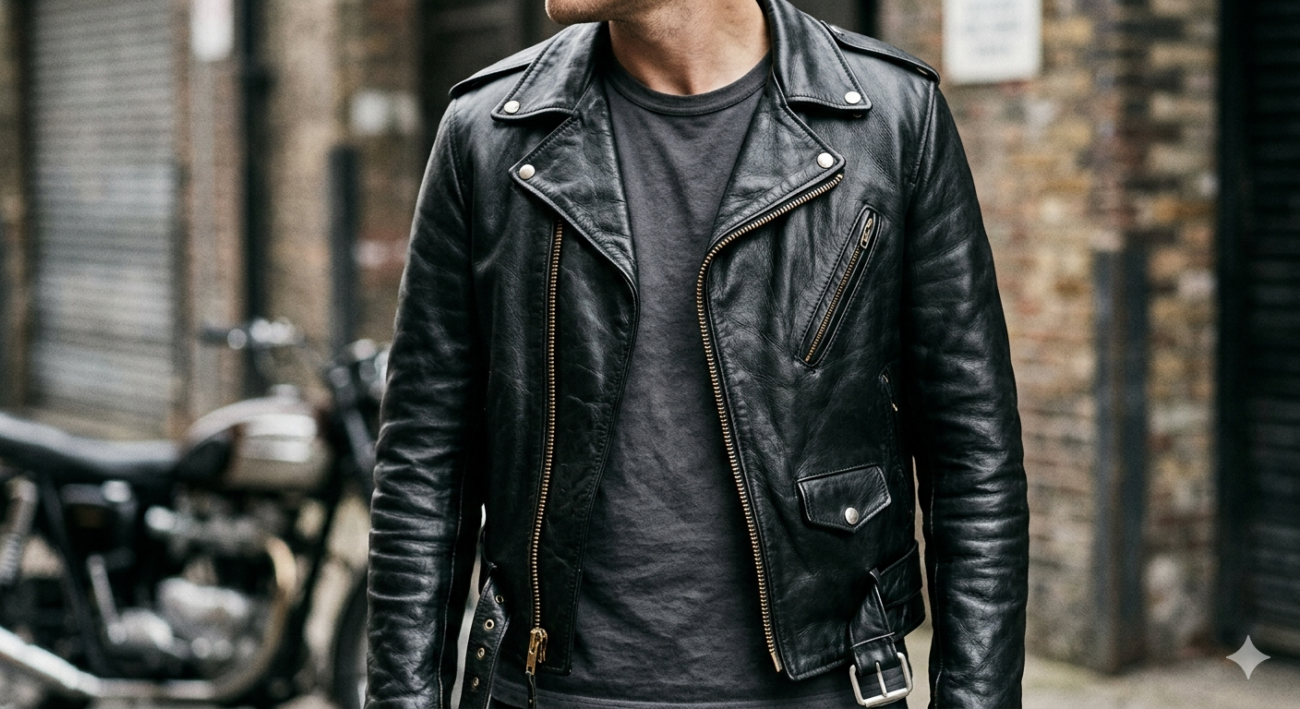
 Men’s Moto Leather Jackets
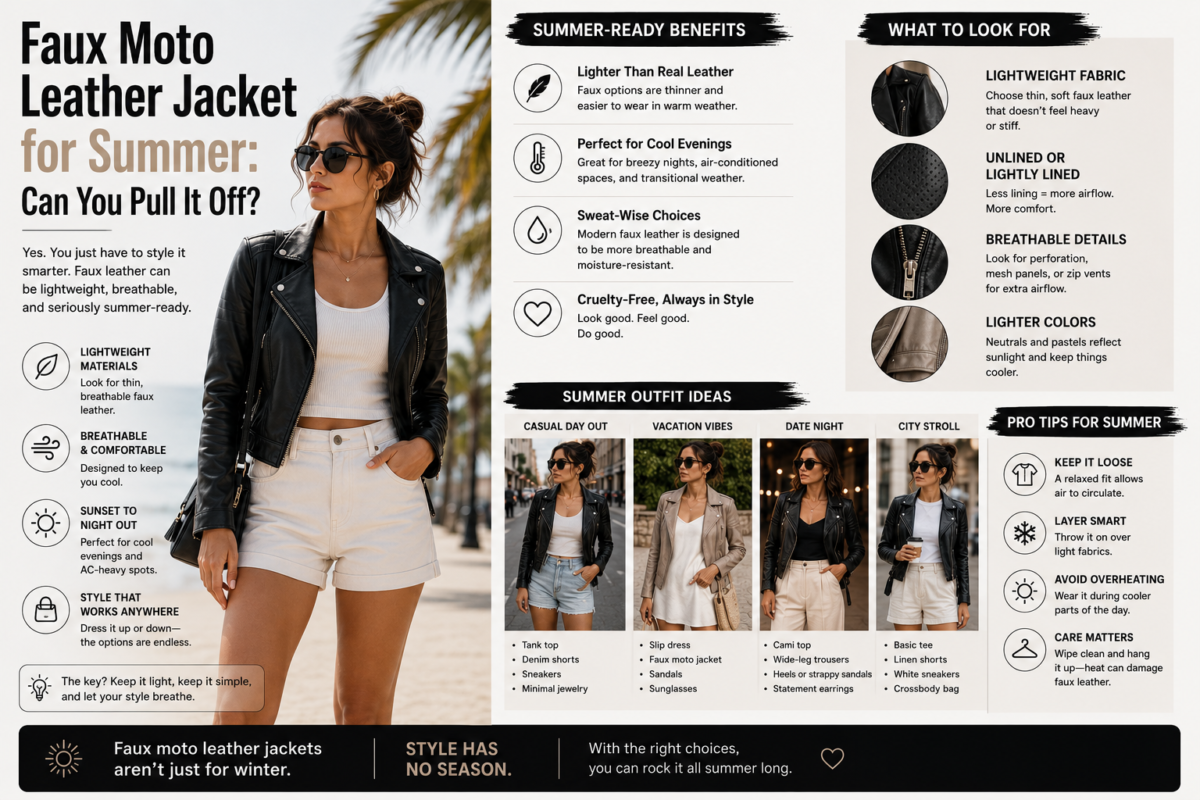
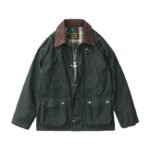 Faux Moto Leather Jacket
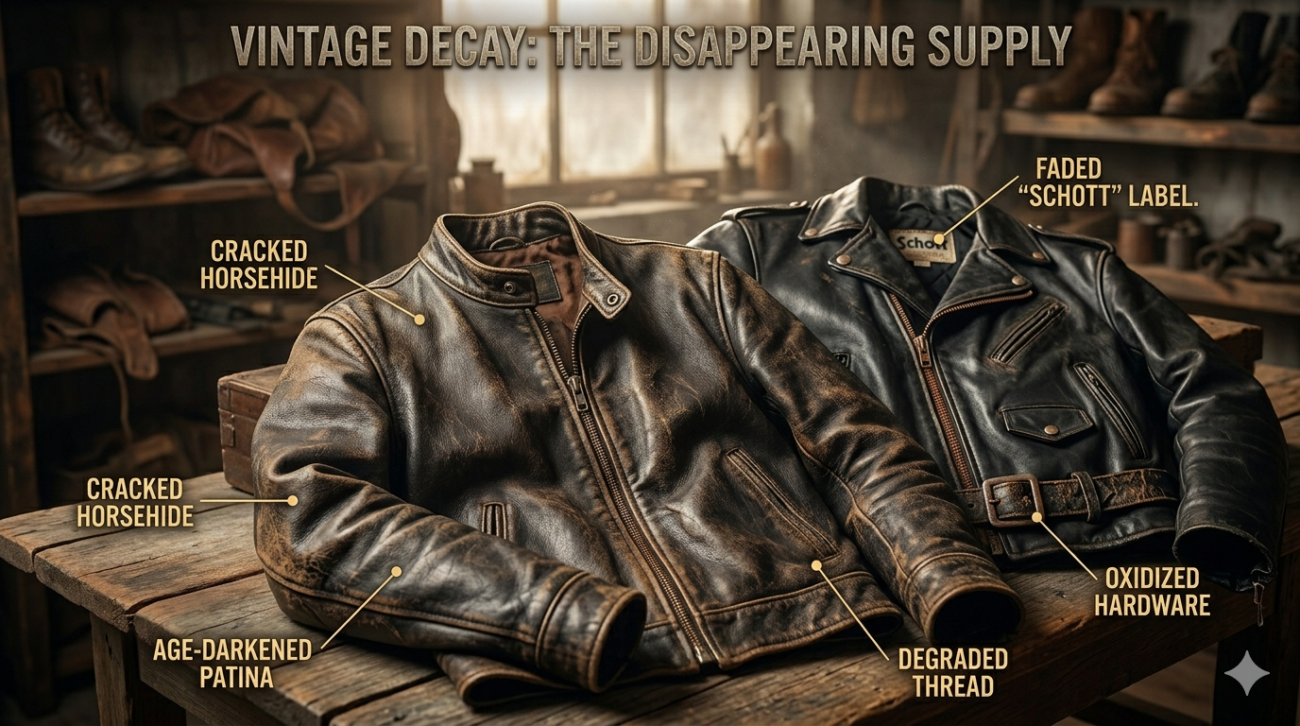
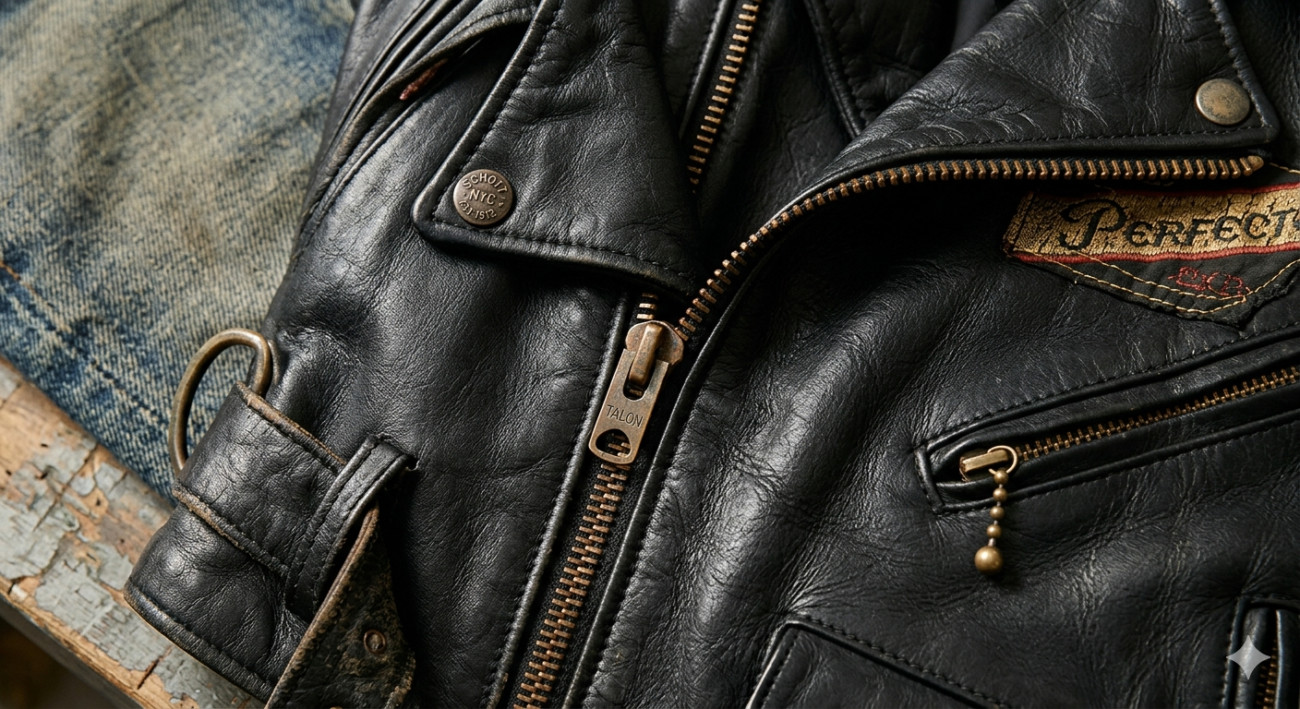
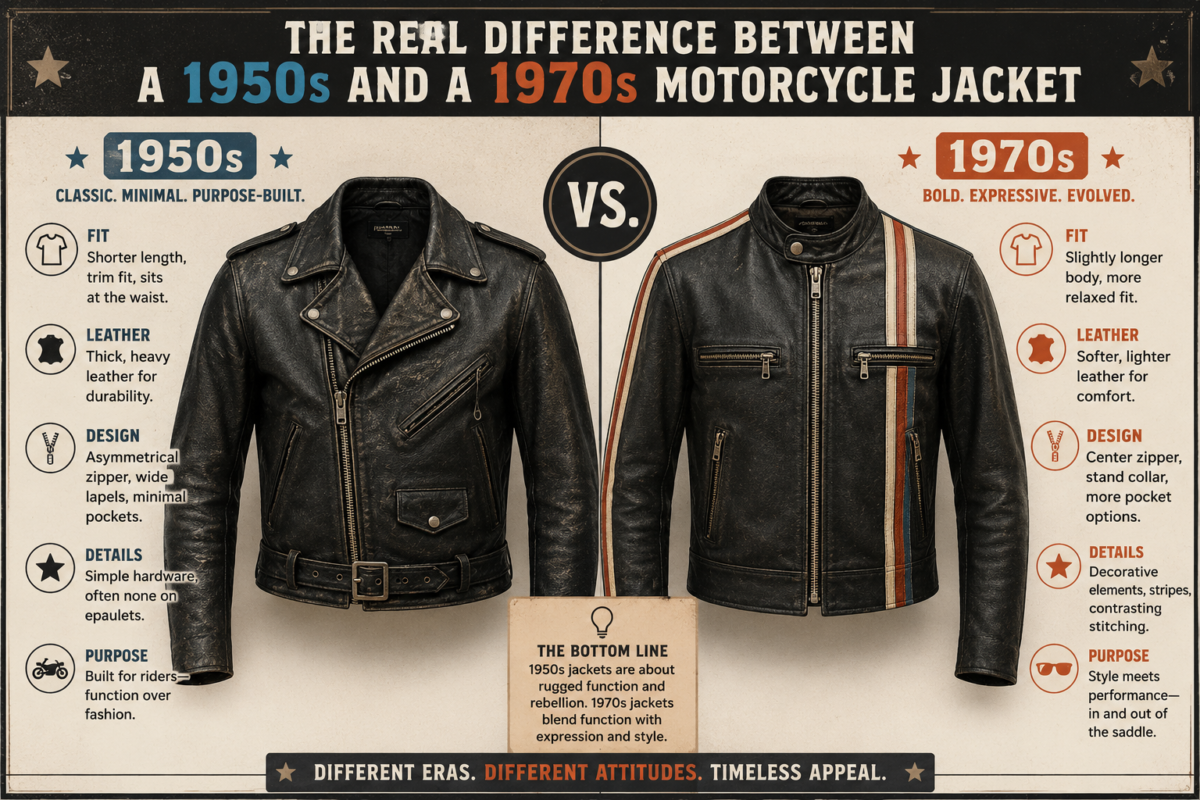
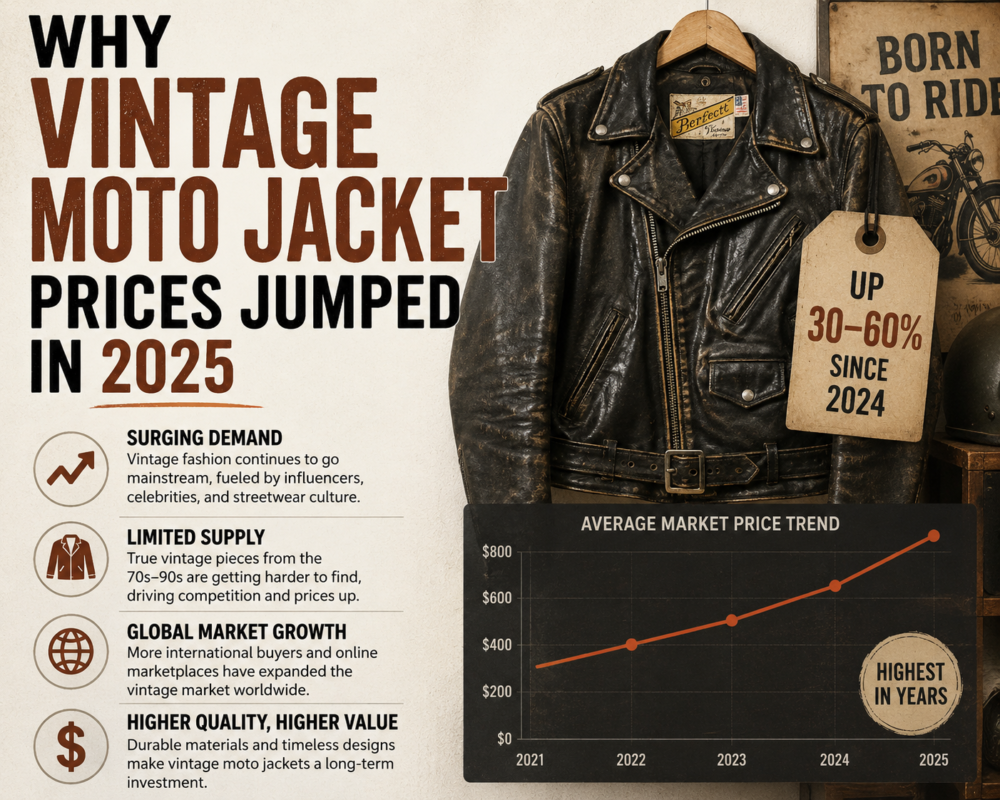
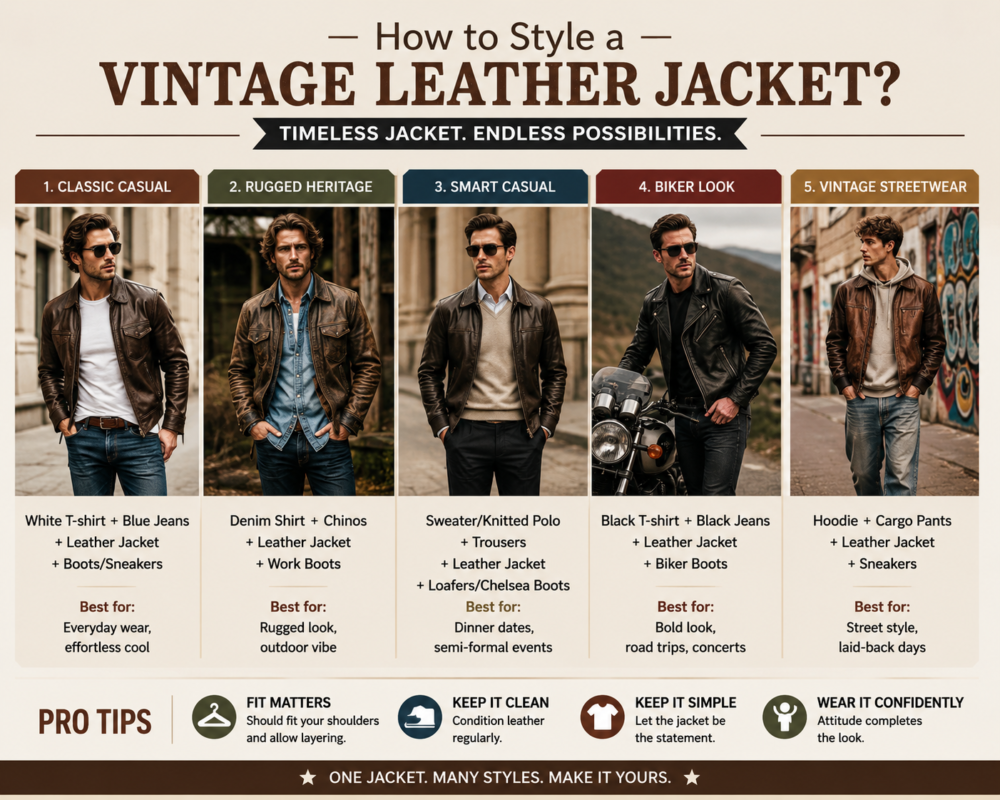
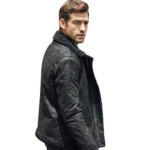 Vintage Moto Leather Jacket
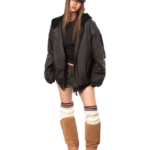 Women’s Moto Leather Jackets
 Faux Moto Leather Jacket
 Vintage Moto Leather Jacket Women
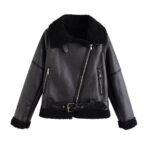 Cropped Moto Leather Jacket Women
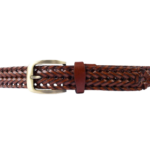 Men’s Leather Belts
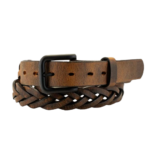 Full-Grain Leather Belt – Men
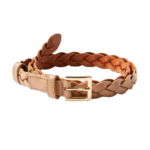 Braided Leather Belt – Men
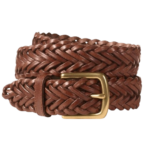 Leather Dress Belt – Men
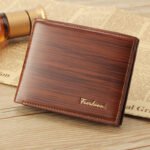 Leather Wallets
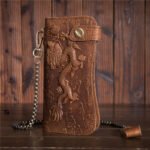 Full- Grain Leather Wallets
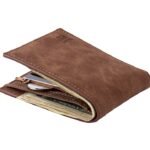 Tri-Fold Leather Wallets
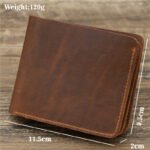 Saddleback Leather Wallets
 Moto Gloves
 Moto Heated Gloves
How to Spot a Genuine Leather Jacket vs a Fake

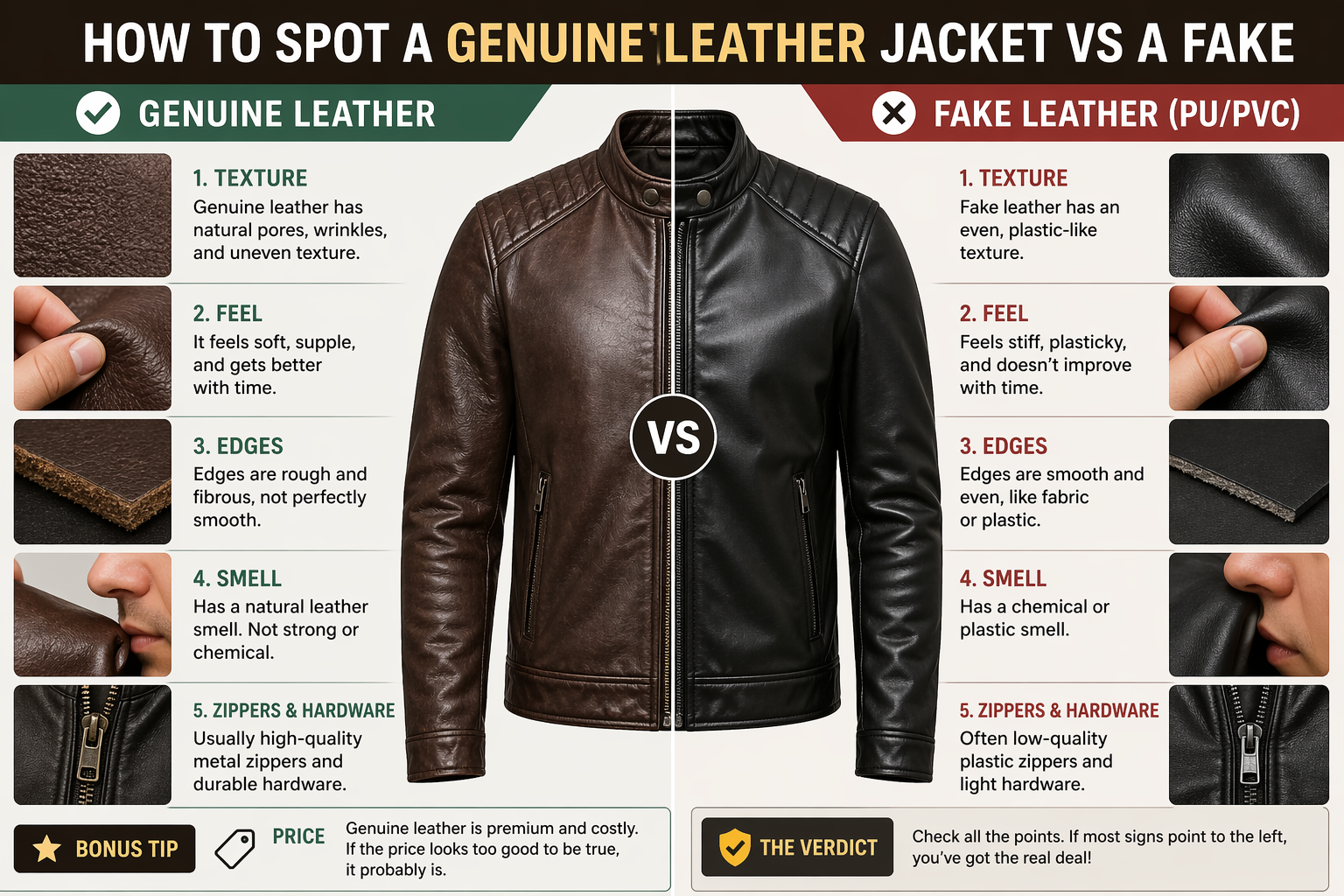
The market for leather jackets is flooded with fakes, and they have gotten better at looking like the real thing. Synthetic materials, bonded leather, and heavily processed low grade leather can all pass a casual glance in a store or product photo. Knowing how to tell real leather from fake leather is a skill that will save you money and frustration every single time you shop. Here is your complete authentic leather jacket test, no lab equipment required.
Why Fake Leather Is Such a Problem
Faux leather, also called PU leather or vegan leather in some marketing, is made from polyurethane or PVC coated fabric. It is designed to mimic the look of real leather and it does a reasonable job of that in the short term. The problem is that it does not behave like real leather over time. It cracks, peels, and separates. It does not develop a patina. It does not soften with wear. It just degrades.
Bonded leather is another variant to watch out for. It is made from leather scraps and dust pressed together with a polyurethane binder. It contains a percentage of real leather but behaves more like faux leather than genuine leather. It will peel and crack just as fast. The genuine leather jacket vs fake distinction matters enormously for your money and your wardrobe.
The Touch Test
Real leather has a texture that is impossible to fully replicate artificially. Run your fingers slowly across the surface. Genuine leather should feel warm, slightly uneven, and naturally textured. It will have small inconsistencies in the grain, subtle variations in depth, and a tactile quality that feels organic.
Fake leather feels cold and uniform. It has a surface that feels almost like plastic because it essentially is. If the texture repeats in a perfectly regular pattern, that is a sign you are looking at embossed synthetic material, not genuine hide.
Press your thumb firmly into the surface. Genuine leather will form a slight impression and return slowly. Fake leather springs back immediately or creates a crease that looks unnatural.
The Smell Test
This is the fastest and most reliable authentic leather jacket test. Real leather has a distinctive earthy, organic smell. It is often described as similar to the smell of new shoes or a new car interior, rich, natural, and unmistakably animal in origin.
Fake leather smells like plastic. It has a synthetic, chemical odor that real leather simply cannot replicate. If you pick up a jacket and it smells like a new shower curtain or a plastic bag, you are not holding genuine leather.
The Water Drop Test
Real leather is a porous natural material that absorbs moisture. Place a single drop of water on an inconspicuous area of the jacket. On genuine leather, the water will be slowly absorbed into the surface and leave a slight darkening that fades as it dries. On fake leather, the water will sit on the surface, bead up, and roll off without being absorbed at all.
This test works quickly and cleanly. It does not damage the jacket. It is one of the most definitive ways to know if you are looking at genuine leather or a synthetic substitute.
Look at the Grain Closely
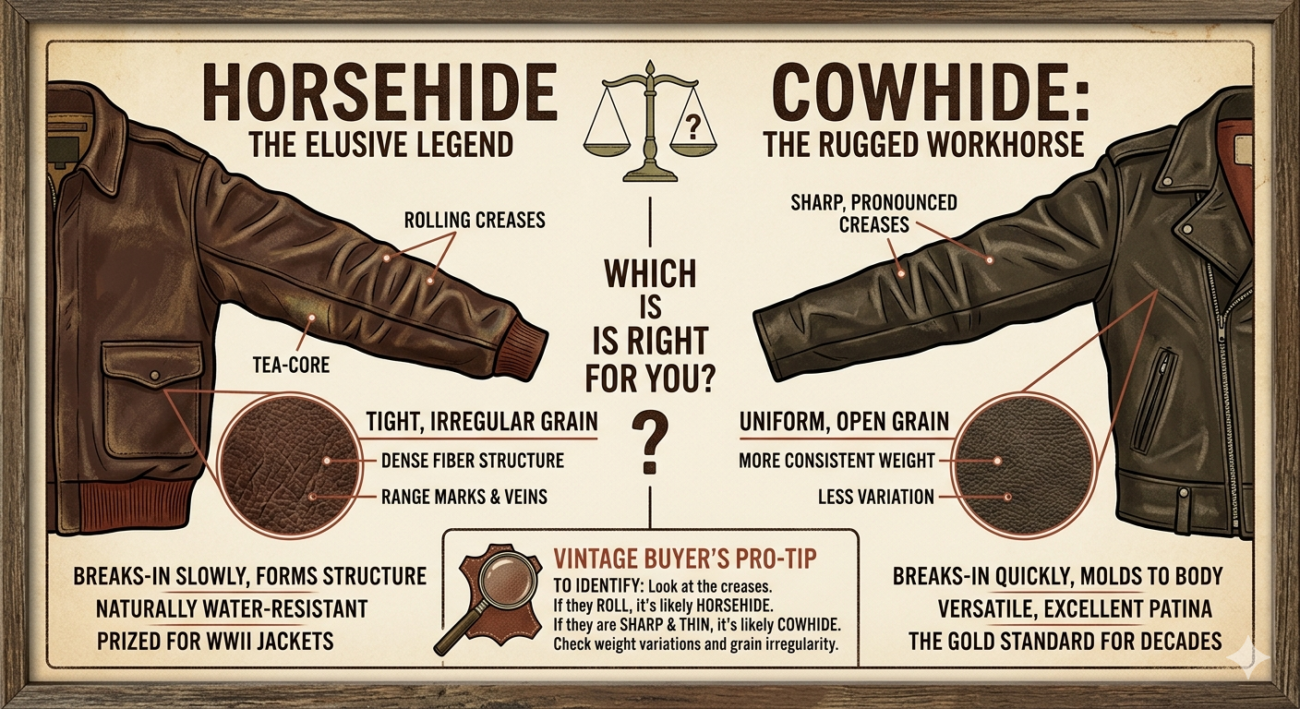
Genuine leather has an irregular natural grain. The pattern varies across the surface of the jacket because no two sections of hide are identical. You will see subtle variation in the depth, spacing, and pattern of the grain if you look closely enough.
Fake leather has a grain that was embossed onto the surface of the material. Because it was stamped from a mold, the pattern repeats with mechanical regularity. Look at the grain under good light and if it appears perfectly symmetrical and consistent, that is a major indicator of synthetic material.
Check the Edges
Examine the cut edges of the leather, around pockets, the hem, and the cuffs. Real leather has a fibrous, slightly rough edge that shows the internal structure of the hide. The edge has texture and depth.
Fake leather has a clean, smooth edge that looks almost laminated. It may have a fabric backing visible where it has been cut. If the edge looks like it was cut from a sheet of coated fabric rather than a piece of hide, trust that observation.
Read the Label
The label is the simplest place to start. Look for terms like full grain leather, top grain leather, genuine leather, or cowhide. If the label says man made material, synthetic, or PU, it is not real leather. If the jacket has no label at all or the label is vague and does not specify the material, approach with caution.
A brand that is confident in its materials will always state them clearly. Ambiguity on a label is not an accident. It is a choice.
About Outer Edition
Outer Edition never leaves you guessing. Every jacket in the lineup is made from genuine leather and the material is clearly stated for every product. When you run the authentic leather jacket tests described in this guide against an Outer Edition jacket, it passes every one of them because there is nothing to hide.
Shop the biker leather jacket and moto leather jacket collections knowing you are getting exactly what is described. The vintage moto leather jacket brings the character of aged real leather with the quality assurance of a brand that backs its products. For complete outfit ideas built around your jacket, visit our guide on what to wear with a leather biker jacket.