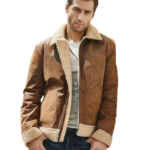
 Men’s Moto Leather Jackets
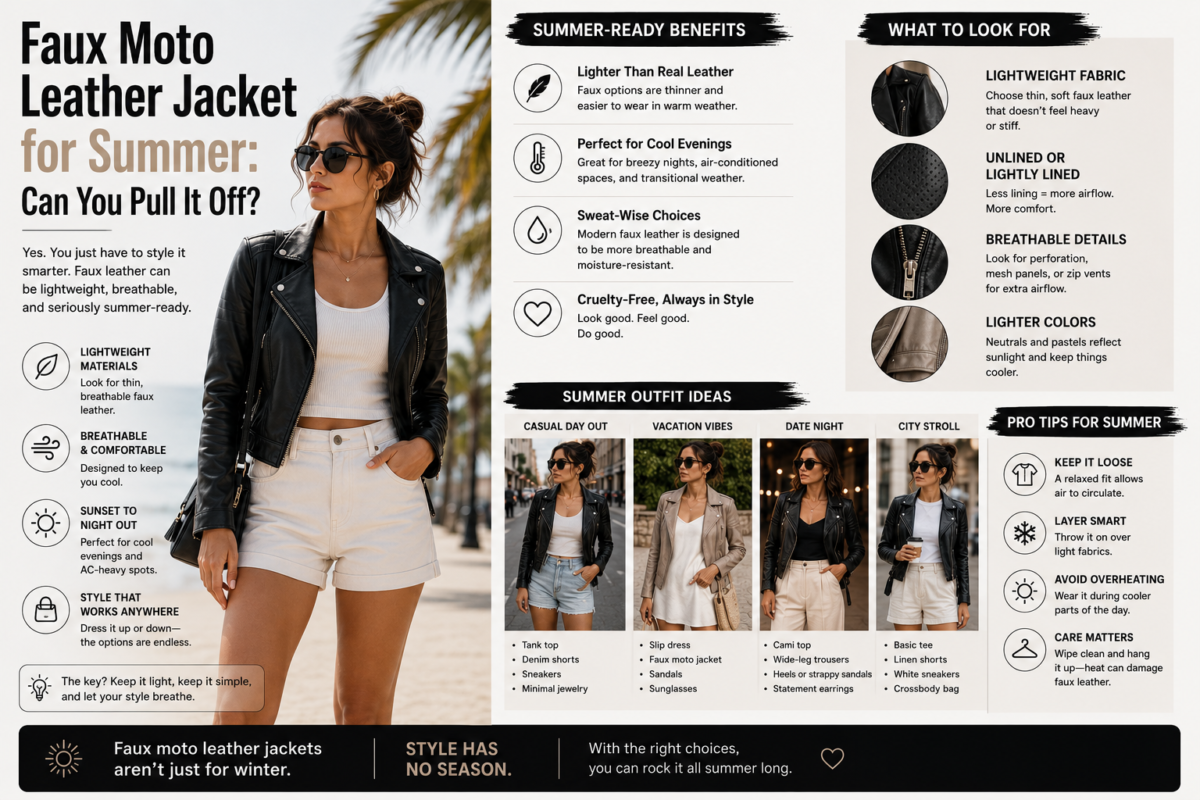
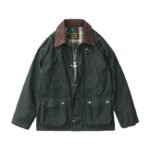 Faux Moto Leather Jacket
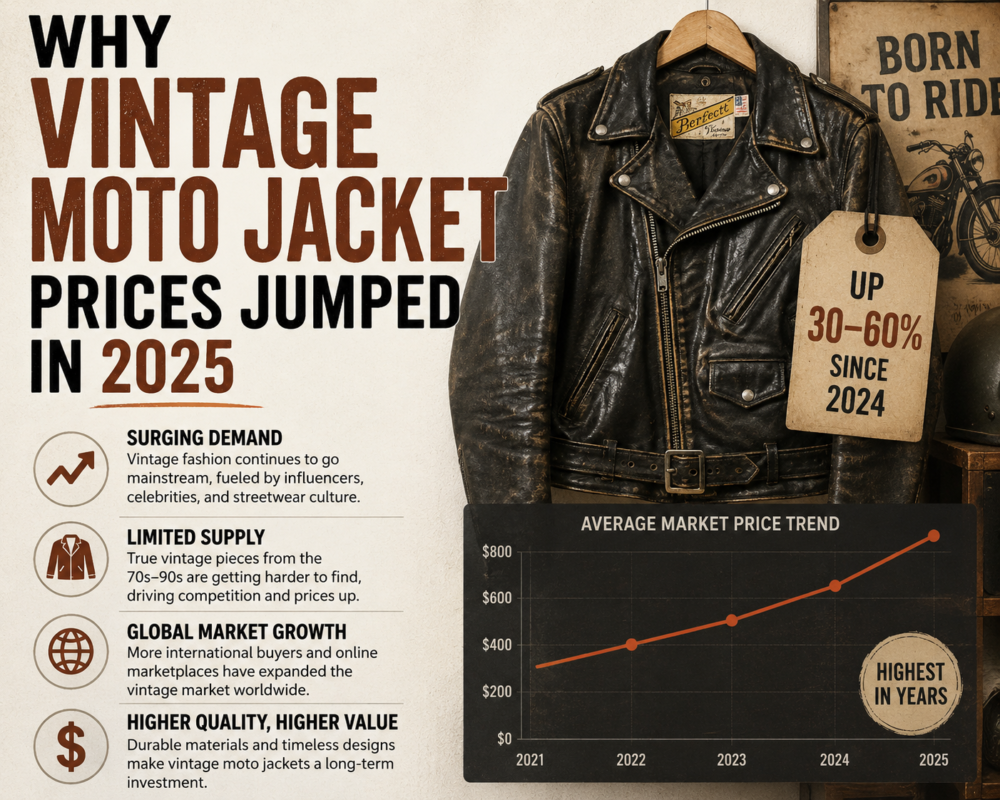
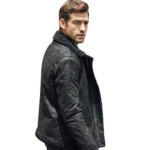 Vintage Moto Leather Jacket
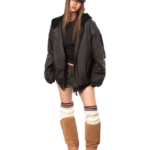 Women’s Moto Leather Jackets
 Faux Moto Leather Jacket
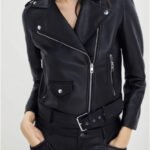 Vintage Moto Leather Jacket Women
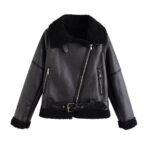 Cropped Moto Leather Jacket Women
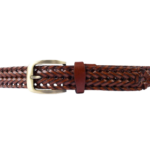 Men’s Leather Belts
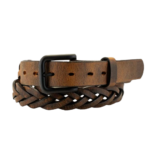 Full-Grain Leather Belt – Men
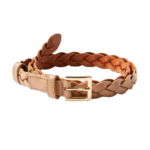 Braided Leather Belt – Men
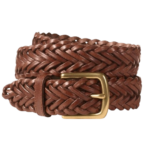 Leather Dress Belt – Men
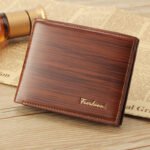 Leather Wallets
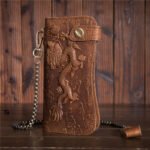 Full- Grain Leather Wallets
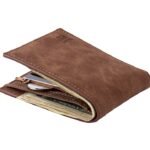 Tri-Fold Leather Wallets
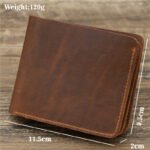 Saddleback Leather Wallets
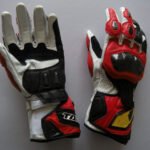 Moto Gloves
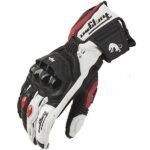 Moto Heated Gloves
Best Leather Jacket Features to Look for Before You Buy

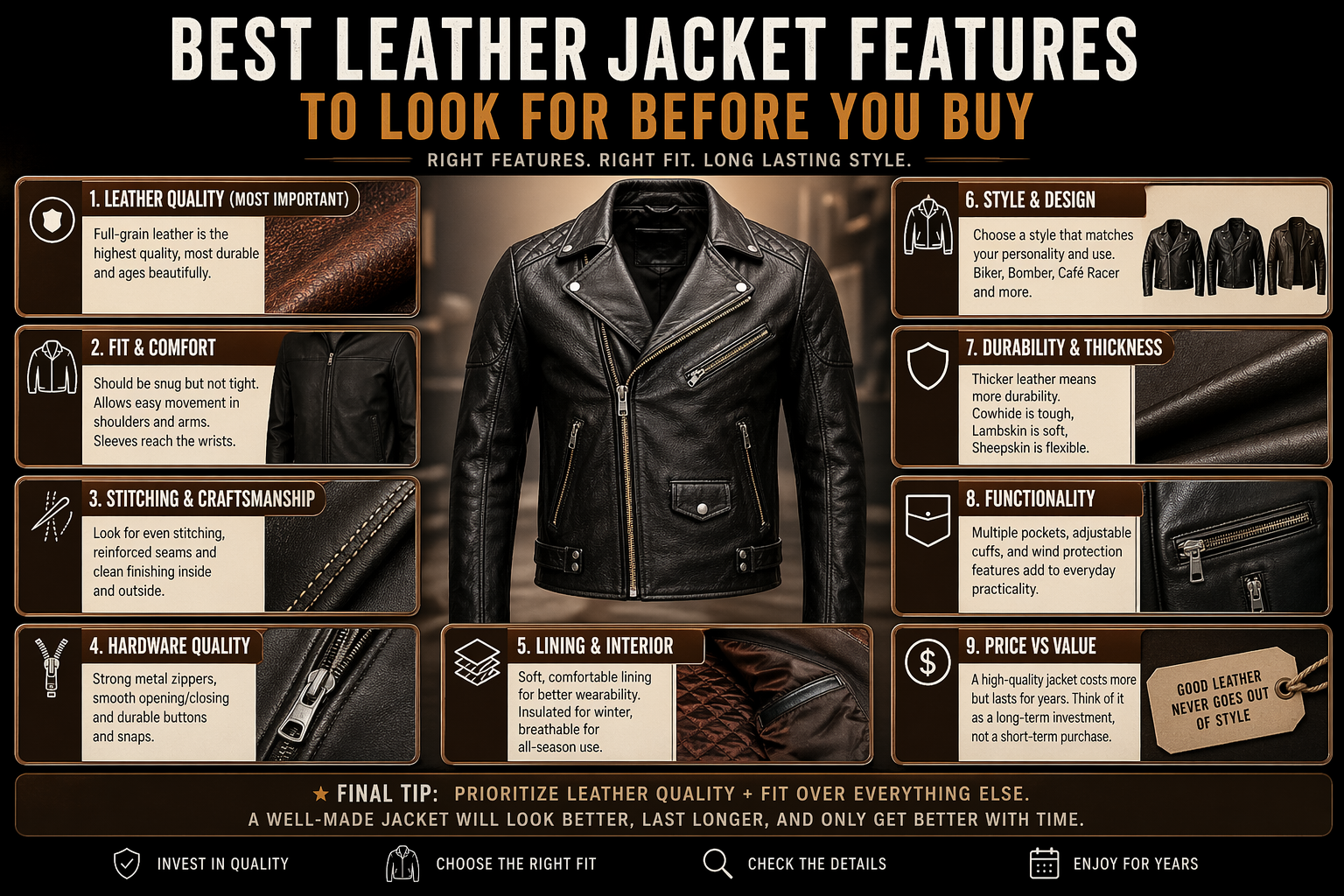
Not all leather jackets are built the same. Two jackets can look identical on a hanger and cost similar amounts of money while being completely different in terms of how they wear, how long they last, and how good they feel. Understanding the specific features that separate a quality jacket from a mediocre one is what this leather jacket features guide is about. By the time you finish reading, you will know exactly what to look for and what to walk away from.
The Leather Itself
Everything else in this guide is secondary to the leather. It is the foundation of the jacket and no amount of quality hardware or careful stitching can compensate for poor material. Look for full grain or top grain leather and confirm that the grade is stated clearly by the brand. The leather should feel supple and warm in your hands, with a natural grain that varies slightly across the surface.
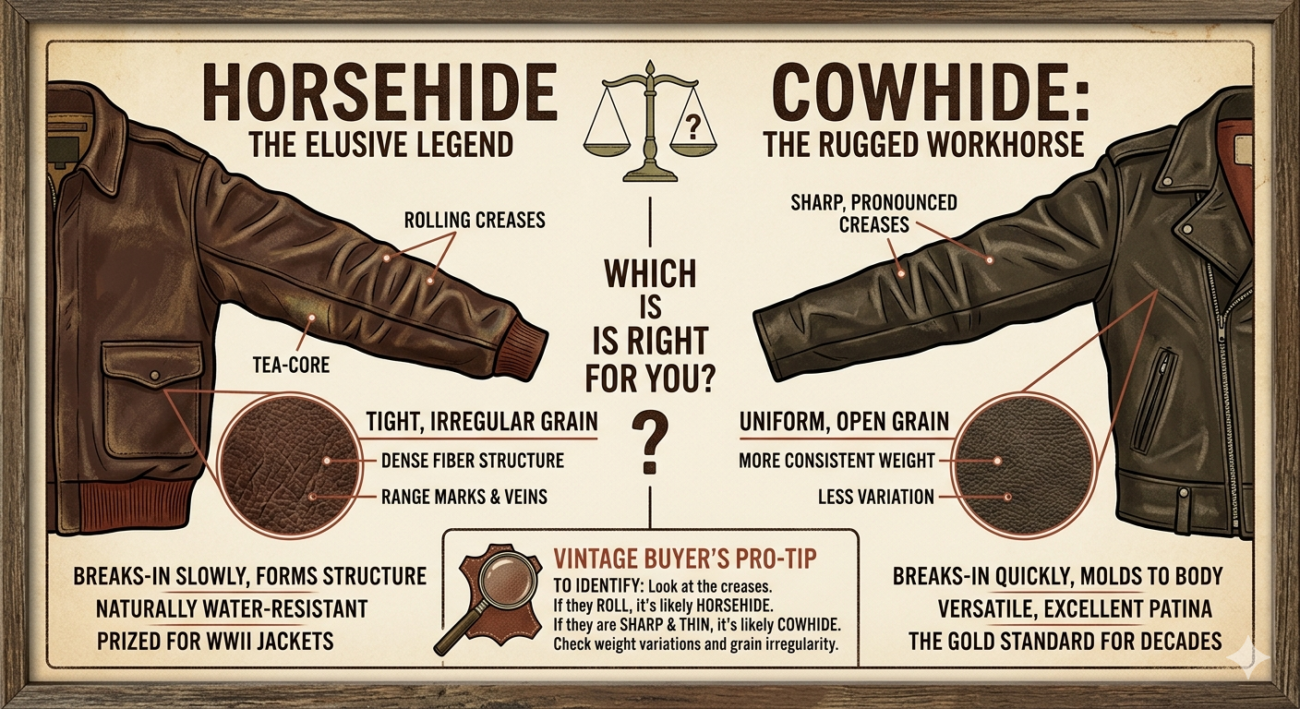
Cowhide is the most durable and most widely used leather for jackets. Lambskin is softer and lighter but less rugged. Goatskin sits in the middle with a distinctive pebbled texture and good flexibility. Each has its strengths and the right choice depends on how and where you plan to wear the jacket.
Leather Jacket Hardware: The Details That Matter
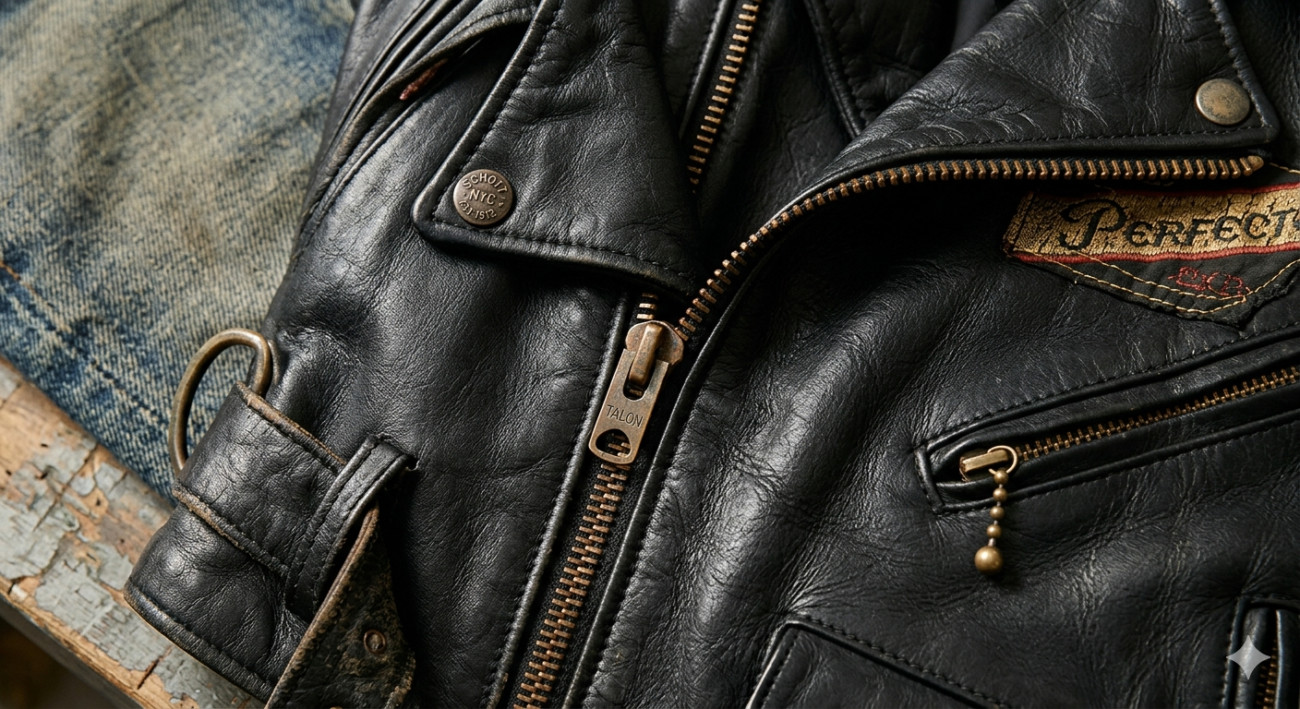
Leather jacket hardware refers to all the metal elements on the jacket including zippers, buckles, snaps, and D rings. These details are not just decorative. They are functional components that take real wear every time you put the jacket on and take it off. Cheap hardware is one of the most common ways brands cut costs and one of the easiest things to spot when you know what to look for.
Start with the main zipper. It should feel substantial when you hold it between your fingers. Pull it smoothly from bottom to top and back again. There should be no catching, no resistance, and no wobble in the pull tab. The best zippers are made by YKK, a brand recognized as the global standard for zipper quality. A jacket that uses YKK hardware is signaling that quality matters to the people who made it.
Check every zipper on the jacket, not just the main one. Sleeve zippers, pocket zippers, and interior pocket closures should all operate with the same smooth action. Test the snaps and buckles by clicking them open and shut several times. They should engage cleanly and hold firmly without feeling loose or wobbly.
Look at the finish on all the hardware. It should be uniform across the jacket with no flaking, bubbling, or variation in tone. Cheap plated hardware starts to flake and discolor within months of regular wear.
Leather Jacket Lining Quality
The lining is the feature that most buyers overlook and later regret ignoring. Leather jacket lining quality affects how comfortable the jacket is to wear, how easy it is to put on and take off, how well it breathes, and how long the jacket holds its structure.
A quality lining should be present in both the body of the jacket and the sleeves. The body lining is typically made from satin, polyester, or quilted material. It should lie completely flat without bunching or gathering anywhere. Run your hand across it. It should feel smooth and allow easy movement.
The sleeve lining is what you feel every time you push your arm through the jacket. It should be slippery smooth so a shirt sleeve passes through without resistance. A rough or thin sleeve lining that grabs at your clothing is one of the most frustrating features a jacket can have and one of the most avoidable.
Check where the lining attaches to the leather around the collar, cuffs, and hem. These attachment points should be clean and secure, not pulling away from the leather or showing raw edges.
Stitching and Seam Construction
Quality stitching is tight, even, and consistent across every seam on the jacket. Look at the stitching under good light and count the stitches per inch. More stitches per inch means stronger seams. Check for double stitching in high stress areas like the armholes, the shoulder seams, and around pockets.
Flip the jacket over and inspect the back panel. The seams that run down the back should be straight and the stitching should be perfectly consistent from top to bottom. Any deviation in the stitch line or tension is a sign of rushed construction.
Pockets: Functional and Well Made
Pockets in a leather jacket require real skill to execute properly. The leather around them needs to be cut precisely and reinforced so the pocket opening does not distort or sag over time. Look at how the pockets sit on the body of the jacket when it is hanging. They should be flat, symmetrical, and properly aligned.
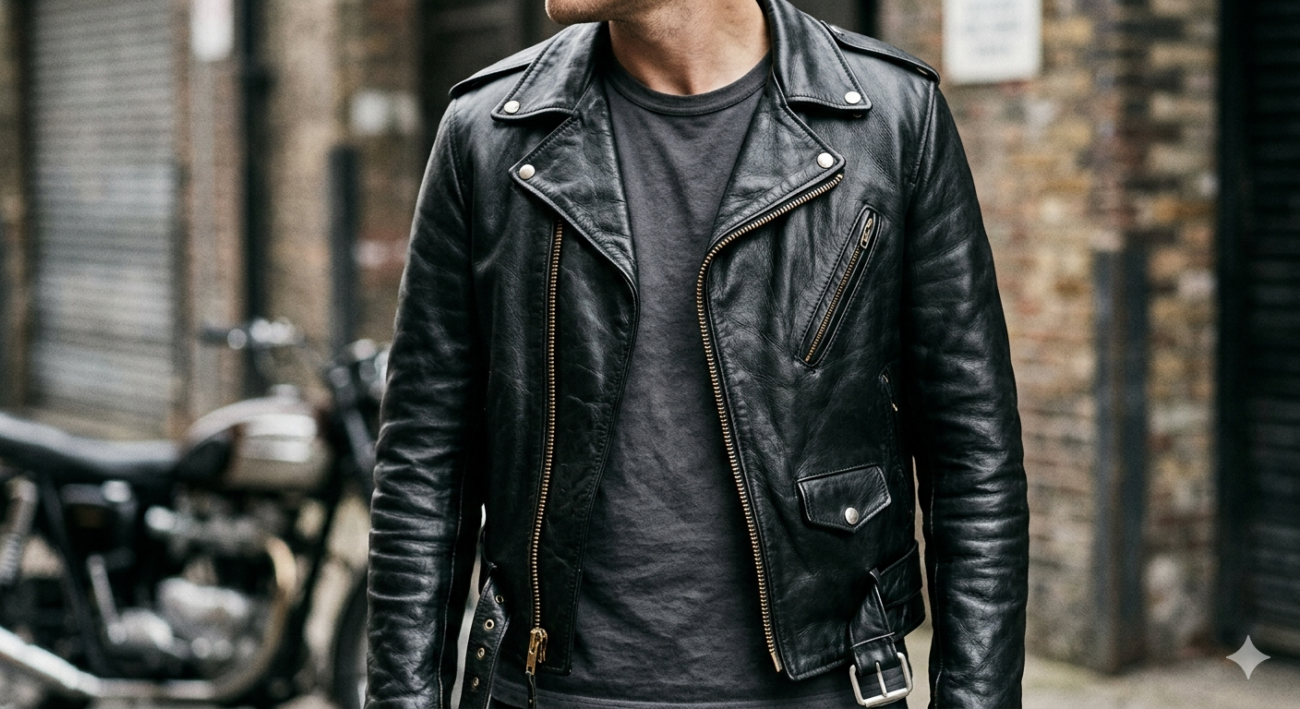
For a biker leather jacket, you typically want zippered external pockets for practicality and an internal pocket for valuables. The pocket openings should be lined and the corners should be reinforced. Test each pocket by inserting your hand and checking that the opening does not pull or gap when in use.
Collar and Cuffs
The collar should lie flat when down and fold cleanly when turned up. It should feel substantial, not floppy. The inner edge of the collar is a spot where cheaper construction often shows up first as pulling or poor finishing.
Cuffs should fasten securely with a zipper or snap closure. They should be wide enough to push up comfortably but fitted enough to look intentional. A quality cuff will stay in place wherever you position it without sliding back down.
About Outer Edition
Every feature described in this leather jacket features guide is built into every jacket Outer Edition produces. The hardware, the lining, the stitching, and the leather are all chosen to meet a standard that holds up to daily wear and real scrutiny. When you pick up an Outer Edition jacket and run through this checklist, it holds up at every point.
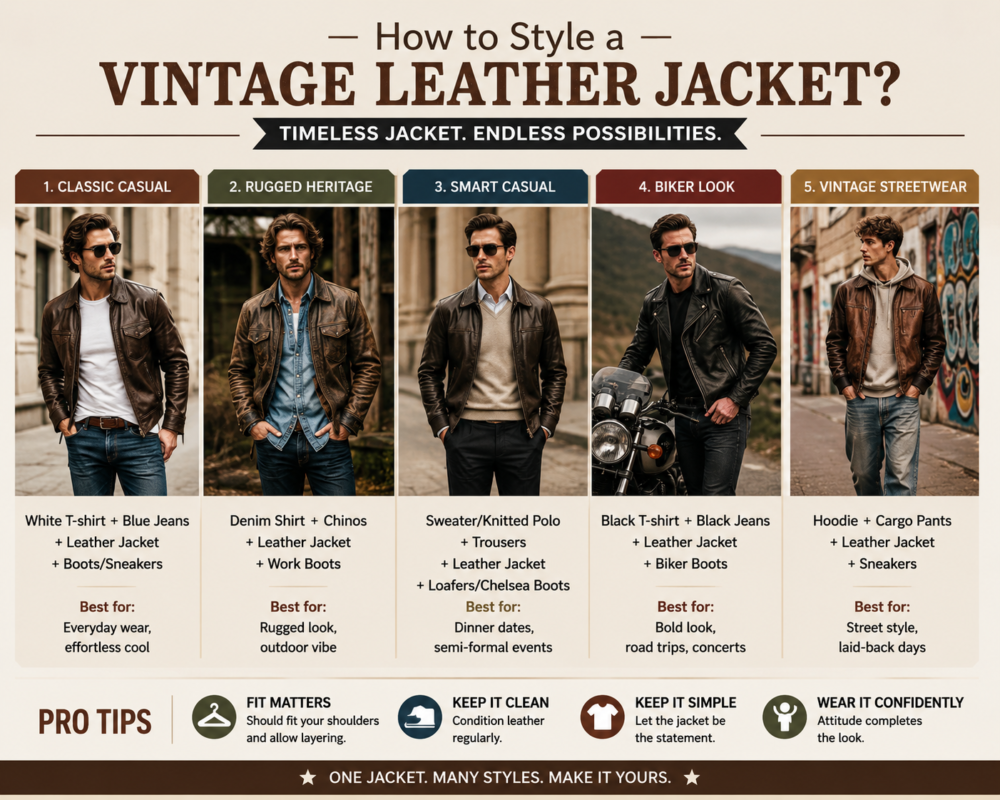
Explore the biker leather jacket collection for bold hardware and a structured silhouette that leads with confidence, or the moto leather jacket for a cleaner take on the same quality standard. If you want character built in from the start, the vintage moto leather jacket delivers a finish that newer jackets take years to earn. And for outfit ideas that put your jacket to work, read the guide on what to wear with a leather biker jacket.