
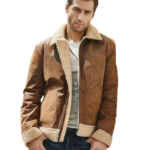
 Men’s Moto Leather Jackets
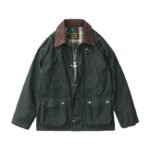 Faux Moto Leather Jacket
 Vintage Moto Leather Jacket
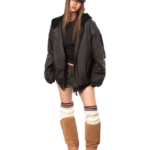 Women’s Moto Leather Jackets
 Faux Moto Leather Jacket
 Vintage Moto Leather Jacket Women
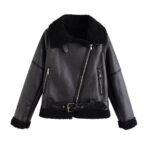 Cropped Moto Leather Jacket Women
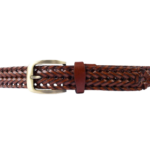 Men’s Leather Belts
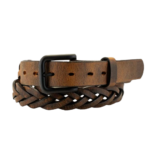 Full-Grain Leather Belt – Men
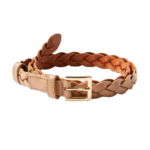 Braided Leather Belt – Men
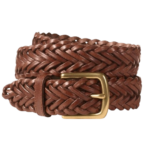 Leather Dress Belt – Men
 Leather Wallets
 Full- Grain Leather Wallets
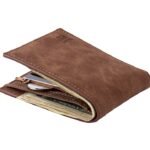 Tri-Fold Leather Wallets
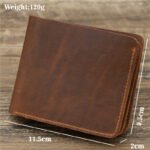 Saddleback Leather Wallets
 Moto Gloves
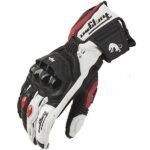 Moto Heated Gloves
Horsehide vs Cowhide Leather Jacket: Which Hide Is Built for You?

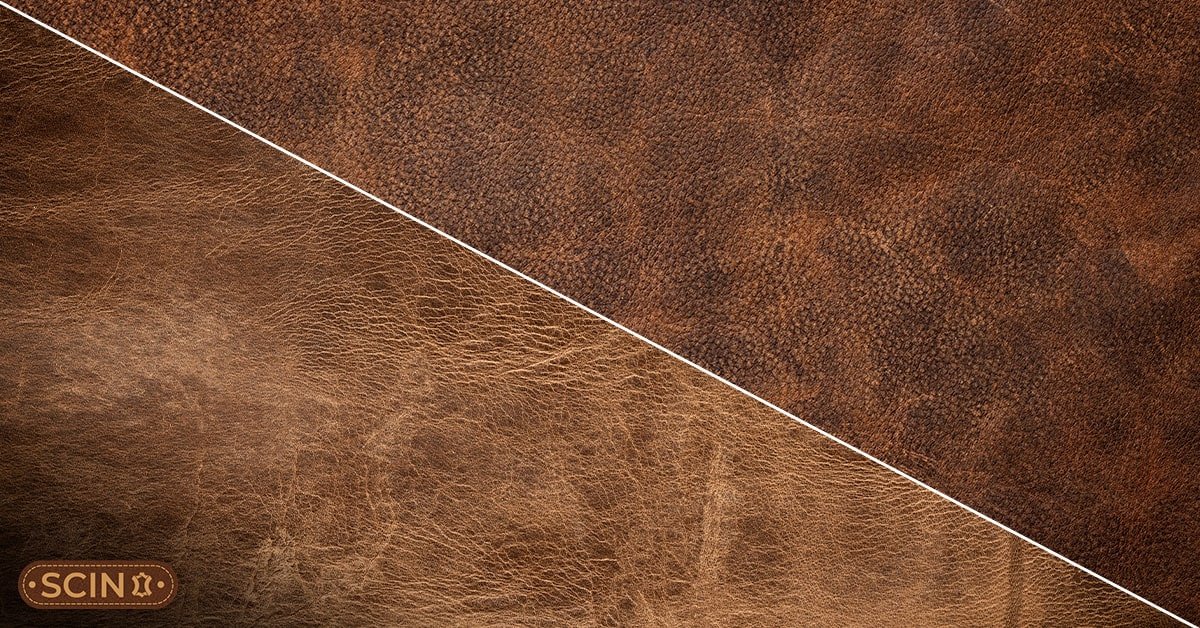
Two legendary hides. Both genuine leather. Both capable of producing a jacket that outlives trends, outlasts decades, and gets better every year you wear it. But the horsehide vs cowhide leather jacket debate is not just about durability. It is about texture, break-in time, availability, price, and the kind of rider or wearer you actually are.
At Outer Edition, we build moto leather jackets with Biker-Centric Craftsmanship using premium hides that earn your trust mile by mile. We are going to give you the complete, no-fluff breakdown on horsehide versus cowhide so you stop guessing and start wearing the right leather.
At a Glance: Horsehide vs Cowhide Leather Jacket
| Category | Horsehide | Cowhide | Winner |
|---|---|---|---|
| Durability | Exceptional, extremely tough | Very good, proven long-term | Horsehide |
| Abrasion Resistance | Superior, denser fiber structure | Excellent for everyday use | Horsehide |
| Texture and Finish | Smooth, shiny, sleek grain | Natural grain, more textured | Depends on preference |
| Weight | Heavier, substantial feel | Lighter and more flexible | Cowhide |
| Break-in Period | Longer, requires patience | Softer from day one | Cowhide |
| Patina Development | Rich, distinctive over time | Good, slightly less dramatic | Horsehide |
| Availability | Rare, harder to source | Widely available | Cowhide |
| Price | Higher due to rarity | More accessible price point | Cowhide |
| Everyday Wearability | Exceptional once broken in | Comfortable right away | Cowhide |
| Vintage Authenticity | The original moto jacket hide | Modern standard, widely used | Horsehide |
| Weather Resistance | Needs conditioning for water | Naturally handles elements better | Cowhide |
| Long-term Value | Outstanding, heirloom quality | Outstanding, excellent investment | Draw |
One-line verdict: Choose horsehide for maximum durability, vintage authenticity, and a truly extraordinary patina. Choose cowhide for immediate comfort, wider availability, and exceptional long-term value.
What Is Horsehide Leather?
Horsehide leather is derived from the hide of a horse. It has been used for centuries in crafting strong, durable goods including horse tack, boots, and eventually, leather jackets. In the early and mid-twentieth century, horsehide was the dominant material for motorcycle jackets. The original perfecto and cafe racer silhouettes were built in horsehide. When you picture the jacket that defined motorcycling culture, you are picturing horsehide.
Horses are raised very differently from cattle. They are not primarily bred for meat or milk production, which means their hides develop under different physical conditions. Horsehide has a denser fiber structure than cowhide, a smoother and slightly glossier surface grain, and significant natural variation across a single hide due to the active lives horses lead. Scars, markings, and variations from years of movement are common and considered part of the character of the material.
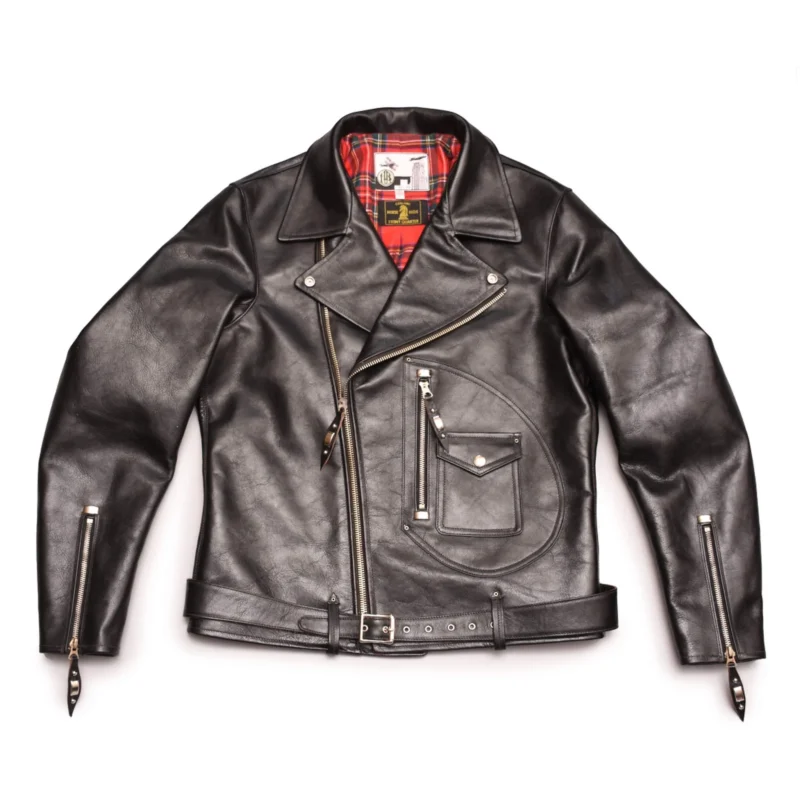
Horsehide Leather Jacket
Today, horsehide is significantly rarer than it was in the mid-twentieth century. As horses became less central to agriculture and transportation, the supply of horsehide decreased substantially. This rarity contributes directly to the premium price of horsehide jackets and adds to their collectible, heirloom status.
What Is Cowhide Leather?
Cowhide leather is obtained from cattle and is the most widely used leather in the motorcycle and fashion jacket industry. It is important to note that cowhide is not a catch-all term for all cattle hides. The term specifically refers to hides from female cows that have been used for breeding or milk production. Related hides include steerhide from castrated males and bullhide from non-castrated males, each with slightly different properties.
Cowhide is more flexible, more consistent in weight, and more widely available than horsehide. Its natural grain gives it a textured, organic surface that reads as classic leather. It is available in numerous finishes, weights, and colors, making it the most versatile hide in production today.
For motorcycle jackets specifically, cowhide offers an excellent cost-to-protection ratio. Its abrasion resistance is genuine and proven, and its flexibility makes it more comfortable to wear immediately out of the box compared to the stiffer initial feel of horsehide.
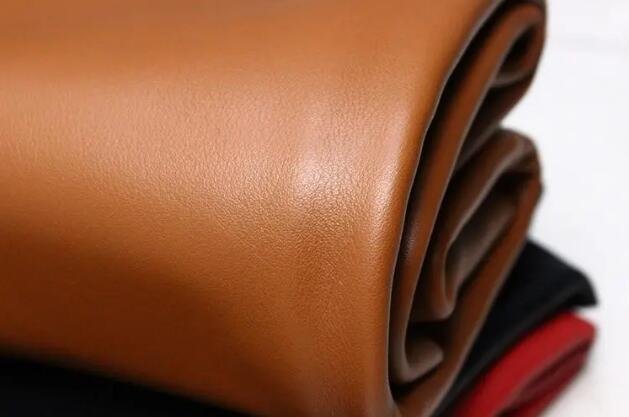
Cowhide Leather
The Head-to-Head: Horsehide vs Cowhide Leather Jacket
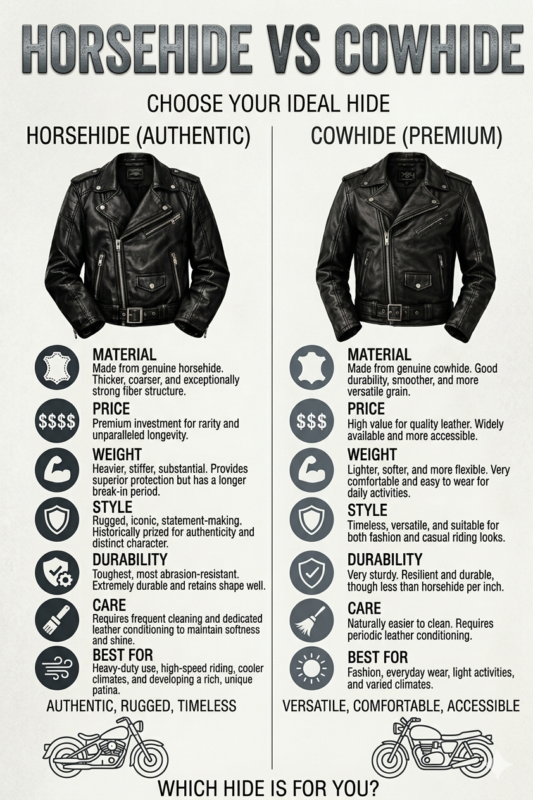
Round 1: Durability and Abrasion Resistance
Horsehide wins this round. The denser fiber structure of horsehide makes it more resistant to wear, tearing, and abrasion than cowhide at equivalent thicknesses. For riders who view their jacket primarily as protective equipment, horsehide provides a meaningful physical advantage. This is why horsehide was the material of choice for early motorcycle jackets before cowhide became the dominant industry standard due to supply availability.
Cowhide is not a compromise in this category. It is genuinely durable and provides excellent abrasion resistance that has been proven across generations of riders and decades of regular wear. But in a direct comparison of fiber density and raw toughness, horsehide edges ahead.
Winner: Horsehide.
Round 2: Texture, Finish, and Appearance
Horsehide has a smoother, slightly shinier surface than cowhide. The grain is tighter and the finish tends toward a sleek, polished appearance that reads as premium and distinctive. Horsehide jackets from quality manufacturers have a visual precision that is hard to replicate in other leathers.
Cowhide has a more natural, textured grain that gives it a rugged, organic look. The surface reads as classic leather in the truest sense. It is the visual language of the biker leather jacket as most people picture it. Both finishes are genuinely attractive. The difference is in aesthetic character rather than quality.
Winner: Draw. Horsehide for sleek precision. Cowhide for classic organic texture.
Round 3: Break-in Period and Immediate Comfort
This is the category where cowhide earns its widespread popularity for everyday use.
Horsehide is stiff when new. The dense fiber structure that makes it so durable also means it requires a meaningful break-in period before it conforms to your body and becomes genuinely comfortable. Breaking in a horsehide jacket takes patience. You wear it consistently, allow it to adjust naturally to your movements, and treat it regularly with quality leather care products. The reward for that patience is a jacket that fits your body exactly and nobody else’s. But the investment of time is real and should be understood before purchasing.
Cowhide is softer and more flexible from day one. A quality cowhide leather jacket feels comfortable the first time you put it on. The flexibility of the material accommodates natural movement without resistance, which makes it ideal for riders and wearers who want immediate wearability without a lengthy adjustment period.
Winner: Cowhide for immediate comfort and everyday flexibility.
Round 4: Patina and Aging
Both hides develop patina over time, but they do it differently.
Horsehide develops a rich, deep, highly distinctive patina that is widely considered one of the most beautiful aging processes in any leather type. The natural markings and grain variations across a horsehide jacket become more pronounced and characterful with wear. A horsehide jacket that has been worn for ten or twenty years carries a visual history that is impossible to fake and genuinely irreplaceable. This is why horsehide jackets are collected and treasured in ways that few other garments are.
Cowhide ages beautifully as well. The patina it develops over years of regular wear adds real character and makes the jacket unmistakably yours. It simply does not develop the same depth and visual drama as horsehide. For riders who view patina as a core part of what makes a leather jacket worth owning, horsehide sets the standard.
Winner: Horsehide for patina depth and aging character.
Round 5: Weight and Mobility
Horsehide is heavier than cowhide. The substantial feel of a horsehide jacket is part of its identity and contributes to the sense of serious protective equipment that riders have valued for over a century. For some wearers, that weight is exactly what a leather jacket should feel like. For others, particularly on long riding days or in warm conditions, the weight becomes a consideration.
Cowhide is lighter and more flexible. This makes cowhide jackets easier to wear for extended periods, more comfortable in warmer weather, and less fatiguing on long rides. The flexibility of cowhide also makes it the better choice for riders who need a full range of arm and shoulder movement without resistance.
Winner: Cowhide for lightweight flexibility. Horsehide for substantial, protective weight.
Round 6: Availability and Price
Horsehide is rare. The decrease in working horse populations over the twentieth century significantly reduced the global supply of horsehide. Finding a genuine horsehide leather jacket from a reputable manufacturer requires more effort and a higher budget than sourcing a comparable cowhide jacket. The rarity of the material is part of what makes horsehide jackets collectible and part of what justifies their premium price point.
Cowhide is widely available. It is the most common leather used in jacket production worldwide and is accessible at a range of price points from entry-level to premium. For riders who want genuine leather quality without the rarity premium of horsehide, cowhide delivers exceptional value.
Winner: Cowhide for accessibility and price. Horsehide for rarity and collectible status.
Round 7: Maintenance and Care
Horsehide requires dedicated maintenance. It needs regular conditioning with quality leather care products to remain supple, maintain its finish, and develop its patina properly. It is more sensitive to water exposure than cowhide and should be dried naturally and conditioned promptly if it gets thoroughly wet. The care investment is not excessive, but it is consistent and non-negotiable for preserving the jacket’s quality.
Cowhide is somewhat more forgiving. It handles elements better naturally and requires less frequent conditioning than horsehide to maintain its condition. Cleaning is straightforward and the material tolerates the minor neglect that real-world daily use inevitably brings.
Winner: Cowhide for easier maintenance. Horsehide for those committed to proper leather care.
Who Should Choose a Horsehide Leather Jacket?
Choose a horsehide leather jacket if you want the most durable and abrasion-resistant leather available in a production jacket. Choose it if you are drawn to the vintage authenticity of the original motorcycle jacket material. Choose it if you appreciate the extraordinary patina that develops over decades of wear and want a jacket that tells a story no other garment can. Choose it if you are prepared to invest in the break-in process and the ongoing care that horsehide rewards with irreplaceable character.
A horsehide leather jacket is not just a jacket. It is a piece of motorcycling history on your body.
Who Should Choose a Cowhide Leather Jacket?
Choose a cowhide leather jacket if you want immediate comfort and flexibility from the first wear. Choose it if you ride regularly throughout the year and need a jacket that performs consistently across varied conditions without demanding excessive maintenance. Choose it if you want genuine leather quality at a more accessible price point. Choose it if you want the classic organic grain texture that has defined leather jacket aesthetics for generations.
A cowhide leather jacket is the everyday workhorse that never lets you down.
FAQs: Horsehide vs Cowhide Leather Jacket
Is horsehide stronger than cowhide?
Yes. Horsehide has a denser fiber structure that makes it more resistant to abrasion and wear than cowhide at comparable thicknesses. For maximum durability and protective performance, horsehide has the edge.
Why is horsehide leather so expensive?
Horsehide is significantly rarer than cowhide due to the decline of working horse populations in modern agriculture. Fewer available hides mean higher costs for manufacturers, which is reflected in the retail price of horsehide jackets.
How long does it take to break in a horsehide jacket?
The break-in period for a horsehide jacket varies depending on how frequently it is worn and the specific hide used. Most riders find that consistent wear over several months results in a jacket that conforms closely to their body and becomes genuinely comfortable. Regular conditioning throughout the break-in process helps soften the hide without compromising its integrity.
Which hide develops a better patina?
Horsehide develops a richer and more visually distinctive patina over time. The depth and character of aged horsehide is widely considered the finest patina available in any jacket leather. Cowhide also develops a real and attractive patina, but it does not reach the same visual drama as horsehide.
Is cowhide good enough for a motorcycle jacket?
Absolutely. Cowhide has been the dominant material in motorcycle jacket production for decades and its abrasion resistance, durability, and protective performance are genuinely excellent. The majority of premium moto leather jackets produced today are built in cowhide.
The Outer Edition Standard
At Outer Edition, we build moto leather jackets from genuine hides with Biker-Centric Craftsmanship. We use premium, full-grain skins and heavy-duty hardware because your jacket should be as durable as your machine and as distinctive as your riding identity.
Whether the conversation is horsehide versus cowhide, the principle stays the same. The hide matters. The construction matters. The fit over time matters. A leather jacket from Outer Edition is not a fast fashion purchase. It is a long-term relationship between you and a material that gets better the more you live in it. Our hides mold to your body over time, becoming more comfortable and uniquely yours with every mile and every story.
The best biker leather jacket is the one built right, worn hard, and cared for properly. That is what we make.
Come find yours. Shop the Outer Edition leather jacket collection.
Keep Exploring at Outer Edition
Now that you have the full picture on the horsehide vs cowhide leather jacket question, there is more worth exploring across the Outer Edition blog. Not sure what to wear with a leather biker jacket to build your complete look? We have the full styling guide. Torn on color? Our brown vs black leather jacket breakdown settles that debate. Deciding on silhouette? Read our bomber vs biker leather jacket comparison before you commit. Shopping the full market? Our guide to the best biker leather jacket brands in 2026 covers every name worth knowing. Want to go deeper on material comparisons? Our faux leather vs real leather jacket guide covers every difference between genuine and synthetic. Our suede vs leather jacket breakdown explores texture and finish within genuine leather, and our denim vs leather jacket guide covers that classic style debate in full. Browse our complete moto leather jacket, biker leather jacket, and vintage moto leather jacket collections to find the piece that was built for your riding life.
Gear up like you mean it.