
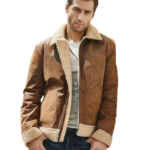
 Men’s Moto Leather Jackets
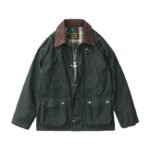 Faux Moto Leather Jacket
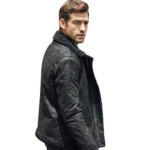 Vintage Moto Leather Jacket
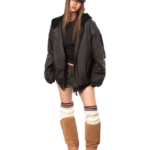 Women’s Moto Leather Jackets
 Faux Moto Leather Jacket
 Vintage Moto Leather Jacket Women
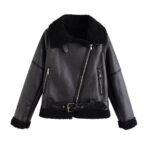 Cropped Moto Leather Jacket Women
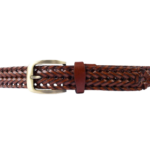 Men’s Leather Belts
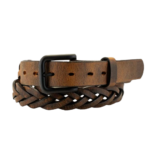 Full-Grain Leather Belt – Men
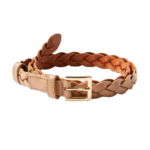 Braided Leather Belt – Men
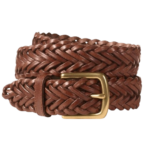 Leather Dress Belt – Men
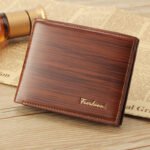 Leather Wallets
 Full- Grain Leather Wallets
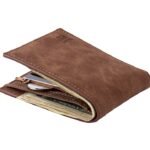 Tri-Fold Leather Wallets
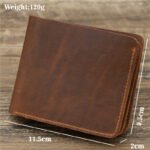 Saddleback Leather Wallets
 Moto Gloves
 Moto Heated Gloves
Kevlar vs Leather Motorcycle Jacket: Which One Actually Protects You Better?

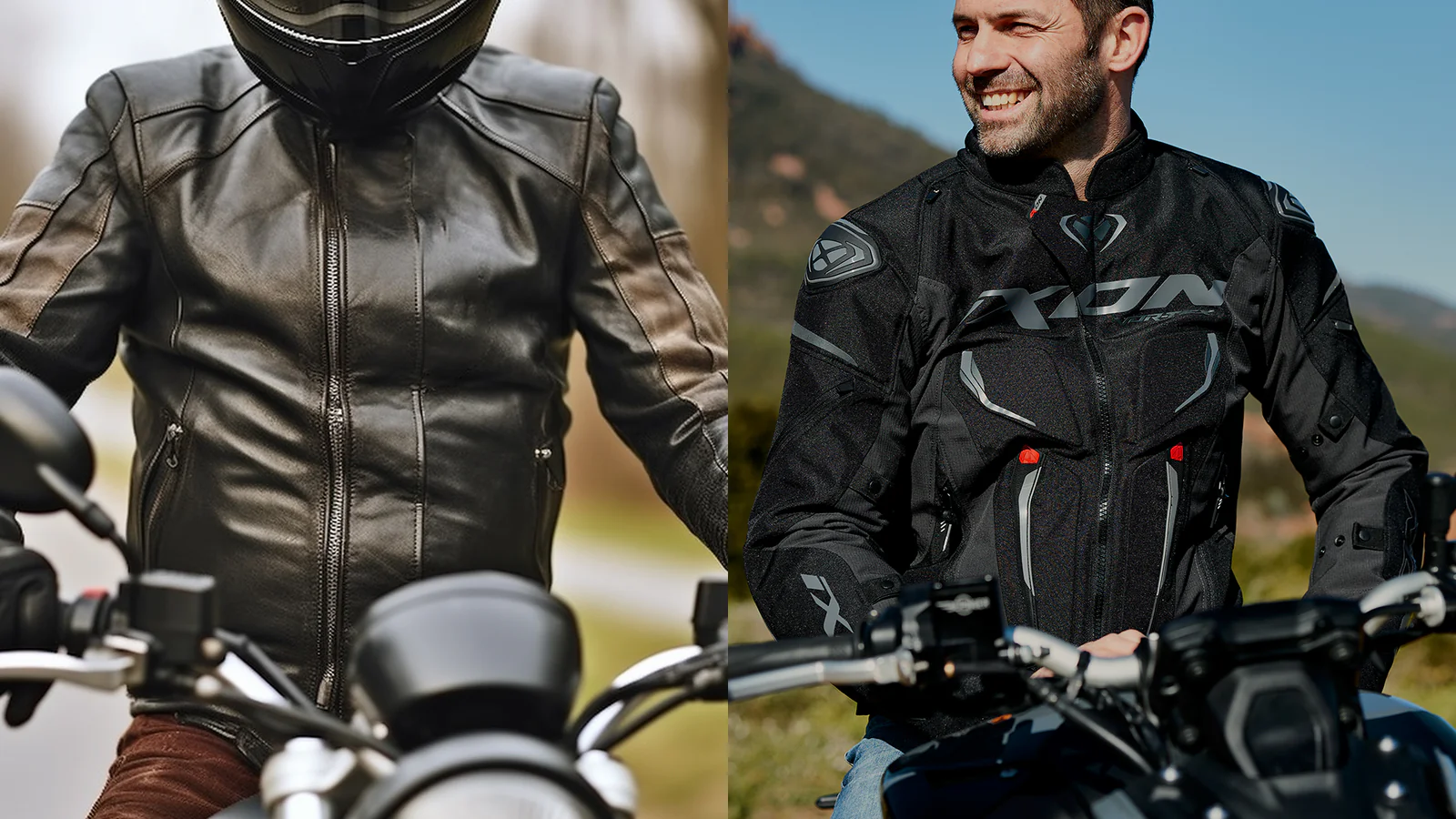
You gear up before every ride. You know the jacket matters. But when someone mentions Kevlar and you are used to leather, the questions start piling up fast.
Is Kevlar actually better? Is leather still the gold standard? Do you need to choose one or can you have both in the same jacket?
The Kevlar vs leather motorcycle jacket debate is worth understanding properly. Because the material on your back is the last line of defense between your skin and the road. Here is the full breakdown, no fluff, no filler.
Quick Comparison: Kevlar vs Leather Motorcycle Jacket
| Category | Leather Jacket | Kevlar Jacket | Winner |
|---|---|---|---|
| Abrasion Resistance | Exceptional, the proven standard | Extremely high, rivals leather | Draw |
| Weight | Heavier and structured | Significantly lighter | Kevlar |
| Breathability | Low to moderate | Better airflow in blended fabrics | Kevlar |
| Waterproofing | Not waterproof by default | Many options include waterproofing | Kevlar |
| Comfort from Day One | Needs break-in time | Flexible and comfortable immediately | Kevlar |
| Style Versatility | Classic, timeless, works off the bike | Modern and functional, riding-specific | Leather |
| Durability | Decades with proper care | Long-lasting, but harder to repair | Leather |
| Repairability | Can be patched and stitched | Damaged panels often need full replacement | Leather |
| Maintenance | Regular conditioning required | Lower maintenance overall | Kevlar |
| Price | Wide range, accessible to premium | Often costs more at equivalent protection | Leather |
| Off-Bike Wearability | Exceptional everyday versatility | Functional look, riding-specific | Leather |
| Best For | All-round street, track, everyday use | Warm weather, commuting, casual riding | Depends |
Bottom line: Leather wins for style, durability, and off-bike versatility. Kevlar wins for lightweight comfort and breathability. Both deliver serious protection when built right.
What Is a Leather Motorcycle Jacket?
Leather has been the material of choice for motorcycle riders since the sport began. There is a reason for that and it has nothing to do with tradition for its own sake.
Leather provides outstanding abrasion resistance. The dense natural fiber structure of cowhide, goatskin, or buffalo leather holds up against the grinding friction of asphalt in a slide better than most alternatives. Every professional racing series from MotoGP to your local club circuit requires leather suits for competitors. That requirement is based on decades of real-world crash data.
Beyond protection, leather conforms to your body over time. A quality leather jacket becomes uniquely yours the longer you wear it. The fit improves. The patina deepens. The jacket develops a character that no synthetic material can replicate.
Cowhide is the most common choice for moto jackets. Goatskin and kangaroo leather appear at higher price points and offer slightly different properties. Thicker, higher-quality hides generally offer the greatest longevity and protective performance.
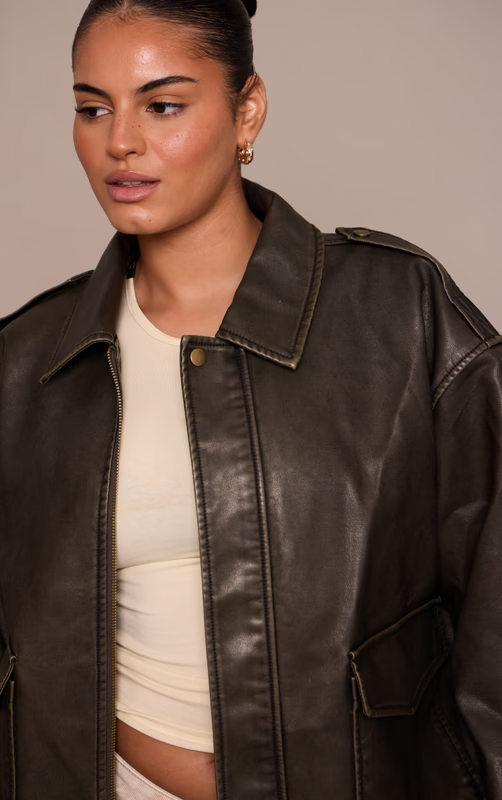
What Is a Kevlar Motorcycle Jacket?
Kevlar is a synthetic fiber developed by DuPont in the 1960s. It is best known for its use in body armor and for good reason. Kevlar has a tensile strength roughly five times greater than steel at the same weight. It resists abrasion, heat, and friction with impressive effectiveness.
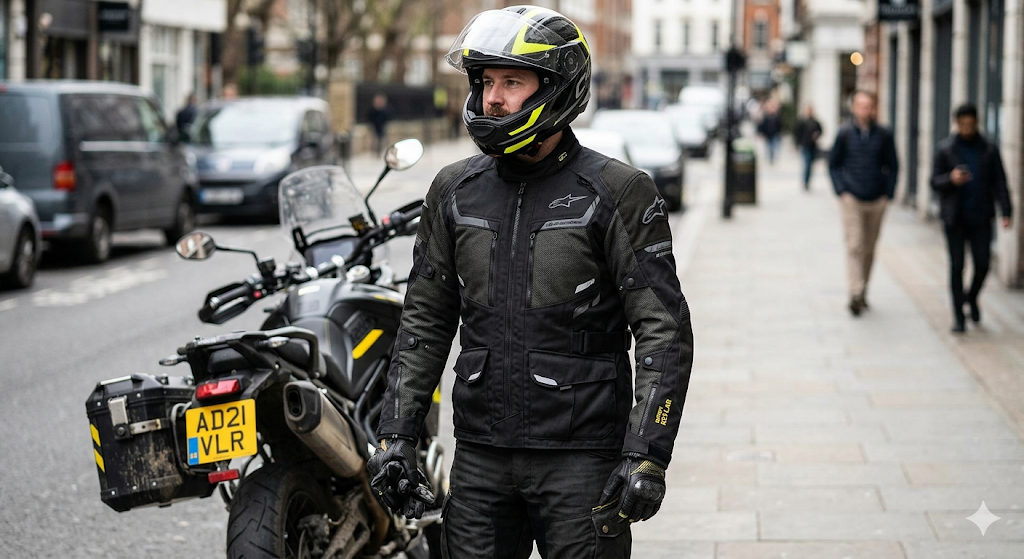
In motorcycle gear, Kevlar is rarely used as a standalone outer material. It is most commonly woven into fabric blends or used as a reinforcing liner inside textile outer shells. This gives manufacturers the ability to build jackets that are lightweight and breathable on the outside while carrying serious protective reinforcement at the fiber level.
Kevlar gear sits in a different category to traditional leather. It is lighter. It is more breathable in blended constructions. It handles waterproofing more easily. And it integrates well with CE-rated armor at the shoulders, elbows, and back. For riders who prioritize comfort and functionality in warm weather, Kevlar-reinforced gear offers a compelling alternative to leather.
The Real Differences: Leather vs Kevlar Motorcycle Jacket

Protection and Abrasion Resistance
Both materials provide genuine, serious protection. This is not a situation where one is clearly superior across the board.
Leather has the longer track record. Its natural fiber density makes it extraordinarily effective at resisting the heat and friction of a road slide. It has been proven at the highest levels of motorsport for decades and remains the mandatory standard in professional racing worldwide.
Kevlar matches leather’s abrasion resistance in laboratory testing and performs with genuine effectiveness in real-world crash scenarios. Riders who have gone down in Kevlar-reinforced gear consistently report strong protective performance. The fiber itself is exceptionally tough. The difference is that Kevlar in a jacket is almost always part of a blended construction, and the overall protective performance depends on how well that blend is engineered.
Both materials become significantly more effective when paired with CE-certified armor at the shoulders, elbows, and spine. CE Level 2 armor is the top standard and absorbs more impact than Level 1. Whatever outer material you choose, get the armor right.
Edge: Draw at equivalent quality levels. Leather has the longer real-world track record.
Weight and Comfort
Leather is heavier. The density that makes it tough also gives it substance and weight. Some riders love that feeling. It is protective equipment and it feels like it. Others find the weight a factor on long rides or in summer heat.
Kevlar is significantly lighter. The synthetic fiber construction produces gear that feels closer to wearing regular clothing than traditional riding gear. That lightness translates directly into less fatigue on longer rides and greater freedom of movement throughout the day.
For riders who commute daily or spend long hours in the saddle in warm conditions, the weight difference is meaningful and real.
Edge: Kevlar for lightweight comfort.
Breathability and Hot Weather Performance
Leather traps heat. Even perforated leather, which significantly improves airflow, is warmer than a well-constructed Kevlar-blend jacket in equivalent conditions. In serious summer heat, leather demands more from the rider than Kevlar does.
Kevlar on its own is not particularly breathable. Tightly woven Kevlar fabric can actually trap heat. But Kevlar-reinforced gear is almost never pure Kevlar. Manufacturers blend Kevlar fibers with cotton, polyester, mesh, or other breathable materials to build jackets that carry the protective properties of Kevlar with meaningfully better airflow than leather.
For hot weather riding, Kevlar-blend gear has a genuine advantage.
Edge: Kevlar for breathability and hot weather comfort.
Waterproofing and Weather Resistance
Most leather motorcycle jackets are not waterproof. Leather absorbs moisture and becomes uncomfortable when thoroughly wet. It needs to be dried carefully and conditioned promptly to prevent damage. Riders who want waterproof performance from leather typically need to either carry a rain layer separately or get their jacket professionally treated.
Kevlar-reinforced textile jackets frequently include waterproof membranes built directly into the construction. Gore-Tex and similar waterproof materials integrated into Kevlar-blend jackets allow riders to handle rain without adding a separate layer. For riders who ride through variable weather regularly, this built-in versatility is a significant practical advantage.
Edge: Kevlar for waterproofing and all-weather versatility.
Style and Off-Bike Wearability
A leather motorcycle jacket is one of the most versatile style pieces a rider can own. It transitions from the road to everyday life without any adjustment. A quality moto leather jacket or biker leather jacket looks as sharp at a restaurant or a weekend out as it does on the highway. The vintage moto leather jacket silhouette has been a defining piece of street style for seven decades because it works in every context a rider moves through.
Kevlar-reinforced gear is purpose-built for riding and tends to look exactly like what it is: functional riding equipment. The modern, technical aesthetic of most Kevlar jackets does not carry the same everyday versatility or cultural weight as leather. You can wear it off the bike, but it reads as gear rather than style.
Edge: Leather, clearly.
Durability and Repairability
A properly maintained leather jacket lasts decades. It does not just survive with age. It improves. The patina that develops over years of wear is part of the leather jacket’s identity. If a leather jacket is damaged, it can often be repaired with patches or stitching. The material responds well to professional repair work.
Kevlar gear is durable but works on a different timeline. The synthetic materials do not carry the same generational longevity as genuine leather. If a Kevlar panel is damaged in a crash, it often needs to be replaced entirely rather than repaired. The fiber structure, once compromised, does not respond well to patching.
Edge: Leather for long-term durability and repairability.
Maintenance
Leather requires consistent care. Regular conditioning keeps it supple. Water exposure needs to be managed. Without proper maintenance, leather can crack and deteriorate. The care routine is not demanding, but it is ongoing and non-negotiable.
Kevlar-blend gear is lower maintenance. Most components can be machine washed. The synthetic materials handle elements more easily and do not require regular conditioning. For riders who want gear that takes care of itself with minimal input, Kevlar has a clear advantage.
Edge: Kevlar for easy maintenance.
Who Should Choose a Leather Jacket?
Choose leather if you want the proven protection standard and the off-bike style authority that no synthetic material has earned. Choose it if you ride year-round and want a single jacket that works across seasons, contexts, and conditions. Choose it if you want gear that develops real character over time and becomes more yours with every mile. Choose it if long-term investment value matters to you.
A leather jacket is not just protective equipment. It is a piece you will still be proud to wear in twenty years.
Who Should Choose a Kevlar Jacket?
Choose Kevlar-reinforced gear if you ride primarily in hot weather and breathability is a priority. Choose it if you commute daily and want lightweight, low-maintenance gear that handles variable weather without a separate rain layer. Choose it if you want serious protection in a package that feels closer to everyday clothing. Choose it if built-in waterproofing is important to your regular riding conditions.
Many experienced riders own both. Leather for the majority of riding and Kevlar-blend gear for peak summer commuting. These are complementary tools, not competing products.
FAQs: Kevlar vs Leather Motorcycle Jacket
Is Kevlar better than leather for motorcycle protection?
Both provide serious, genuine protection at equivalent quality levels. Leather has the longer real-world track record, particularly at high speeds and in professional racing contexts. Kevlar-reinforced gear performs extremely well in real crash scenarios. Neither is a compromise when built properly.
Is a Kevlar jacket good for motorcycle riding?
Yes. Kevlar-reinforced jackets provide genuine abrasion resistance and, when paired with CE-rated armor, deliver strong protective performance for street riding and commuting. Always verify that any riding jacket includes at minimum CE Level 1 armor at the shoulders and elbows.
Can leather jackets be waterproof?
Most standard leather jackets are not waterproof. Some high-end leather jackets incorporate waterproof membranes, but these are less common and significantly more expensive. Most leather riders carry a separate rain layer for wet conditions.
Which is easier to maintain, leather or Kevlar?
Kevlar-blend gear is easier to maintain. Most pieces are machine washable and require no regular conditioning. Leather requires consistent care including conditioning and careful management of water exposure to maintain its quality over time.
What CE armor level should I look for in a motorcycle jacket?
CE Level 2 is the top standard for motorcycle armor. It absorbs more impact than Level 1 and provides greater protection in crash scenarios. Look for CE Level 2 certification at the shoulders, elbows, and back regardless of whether your jacket outer material is leather or Kevlar.
The Outer Edition Standard
At Outer Edition, we build for riders who refuse to choose between protection and style. Our leather jacket collection is constructed from genuine hides with Biker-Centric Craftsmanship that delivers real abrasion resistance, a fit that improves with every ride, and visual authority that no synthetic material has earned.
We use premium, full-grain skins and heavy-duty hardware because your gear should be as durable as your machine. When you pull on a leather moto jacket from Outer Edition, you are putting on a jacket that has earned its reputation over decades of rider culture. Not because it looks the part. Because it is the part.
Kevlar has its place. For summer commuting and warm-weather riding, the lightweight and breathable performance of Kevlar-reinforced gear is a genuine advantage. But for the jacket that represents who you are as a rider, the one you reach for when the road opens up and everything needs to feel right, genuine leather is the answer that has never let a rider down.
Shop the Outer Edition collection and find the leather jacket built for your road.
Keep Exploring at Outer Edition
Now you have the full picture on the Kevlar vs leather motorcycle jacket debate. There is more worth knowing. Not sure what to wear with a leather biker jacket to complete your look? We have the full styling guide. Torn on color? Our brown vs black leather jacket breakdown settles that. Deciding on silhouette? Read our bomber vs biker leather jacket comparison before you commit. Shopping the full market? Our guide to the best biker leather jacket brands in 2026 covers every name worth knowing. Want to go deeper on hides? Our horsehide vs cowhide leather jacket guide covers the two most important hides in moto jacket history. Want more material comparisons? Our faux leather vs real leather jacket guide covers every difference between genuine and synthetic. Our suede vs leather jacket breakdown goes deep on texture within real leather, and our denim vs leather jacket guide covers that classic style debate in full. Browse our complete moto leather jacket, biker leather jacket, and vintage moto leather jacket collections to find the piece built for your riding life.
Gear up like you mean it.