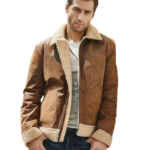
 Men’s Moto Leather Jackets
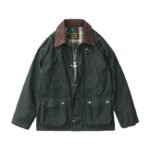 Faux Moto Leather Jacket
 Vintage Moto Leather Jacket
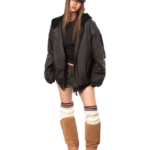 Women’s Moto Leather Jackets
 Faux Moto Leather Jacket
 Vintage Moto Leather Jacket Women
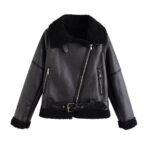 Cropped Moto Leather Jacket Women
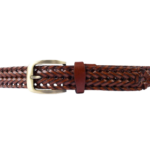 Men’s Leather Belts
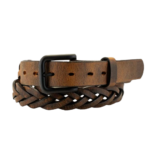 Full-Grain Leather Belt – Men
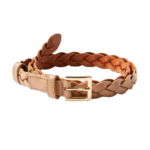 Braided Leather Belt – Men
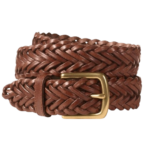 Leather Dress Belt – Men
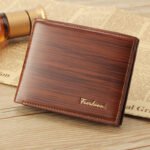 Leather Wallets
 Full- Grain Leather Wallets
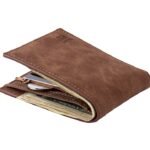 Tri-Fold Leather Wallets
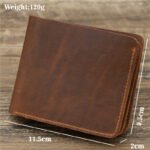 Saddleback Leather Wallets
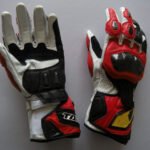 Moto Gloves
 Moto Heated Gloves
How to Choose the Right Biker Jacket Fit for Your Body Type


A biker leather jacket is only as powerful as its fit. You can have the finest full-grain hide, the sharpest asymmetric zip, and the most aggressive hardware on the market, and still blow the entire look the moment the shoulders sag, the sleeves run long, or the torso bags around the chest. Fit is not an afterthought. It is the foundation everything else is built on.
This is the complete biker jacket fit guide for every body type, breaking down the exact measurements that matter, the fit rules that never change, and the cuts that work best for your specific build. Whether you are shopping online or pulling a jacket off the rack, this guide ensures you leave with armor that fits like a second skin and performs like one too.
Why Fit Is the Most Important Decision You Will Make
Most men approach leather jacket sizing the same way they approach a regular jacket or hoodie. They grab their shirt size, assume it translates, and walk out with something that fits the chest but drowns the shoulders or locks up the arms when they reach forward. That is the wrong framework entirely.
A biker jacket is a piece of technical gear first and a style statement second. It was engineered to move with a rider leaning into a curve at speed, which means the fit requirements are specific and unforgiving. A jacket that is too loose will shift during impact, failing to protect the areas it is designed to cover. A jacket that is too tight will restrict your reach, fatigue your arms on long rides, and kill the silhouette that makes the biker jacket iconic in the first place.
The best fit leather jacket is the one that sits exactly at the boundary between snug and free. It holds close to your body without pinching. It lets you raise your arms, reach forward, and hug yourself without pulling at the seams. And it looks sharp standing still as well as pinned at speed.
The Four Measurements That Define Your Fit
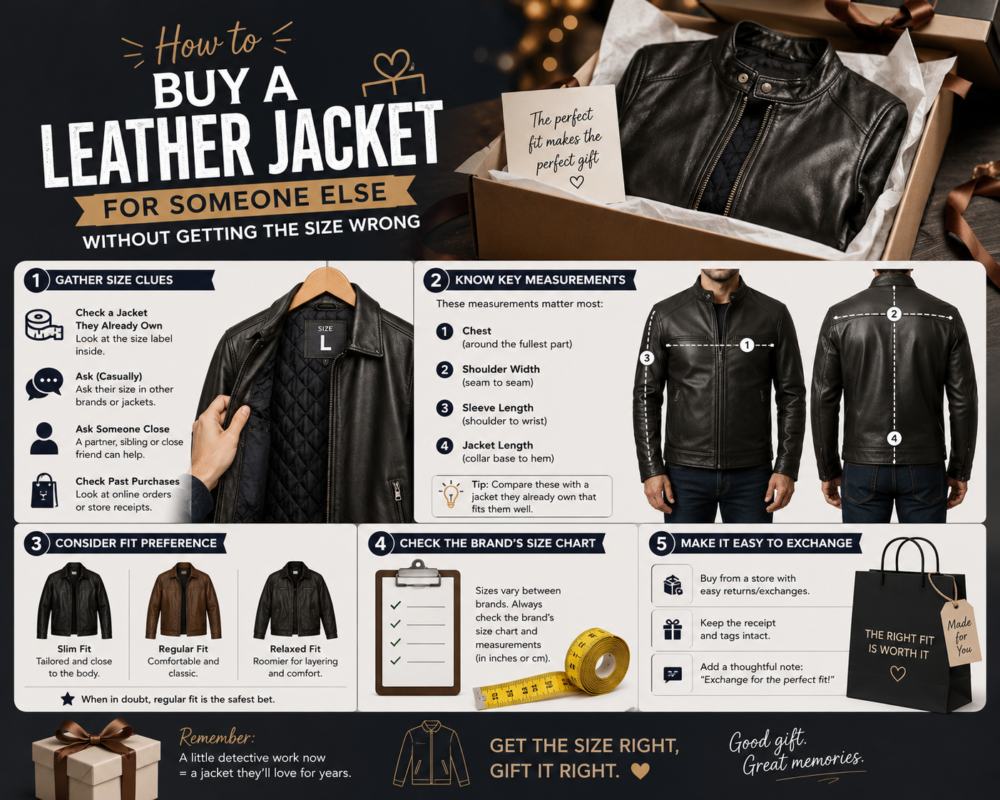
Before you look at a single size chart or touch a single jacket, take these four measurements. They are the foundation of every leather jacket sizing decision and the difference between a jacket that fits and one that frustrates.
Chest: Stand tall with your arms relaxed at your sides. Wrap a flexible measuring tape around the fullest part of your chest, just under your armpits. Do not puff out your chest and do not compress the tape. Write down that number. This is your primary measurement for leather jacket sizing.
Shoulder Width: The most critical measurement and the one most people skip. Have a friend place the measuring tape flat across your upper back from one shoulder tip to the other. This number determines whether the jacket’s shoulder seams will land where they are supposed to land: directly at the edge of your natural shoulder, not hanging over it or sitting short of it.
Sleeve Length: Bend your arm slightly and measure from the edge of your shoulder, along the outside of your arm, down to just past your wrist bone. Motorcycle jackets are designed to sit slightly longer than standard jacket sleeves to account for your arms extending forward on the bars. Your sleeve measurement needs to reflect riding position, not standing position.
Jacket Length: Measure from the base of your neck down the back of your torso to where you want the jacket to end. For a biker jacket, this should land at or just above your beltline when standing. When you sit on a bike or lean forward, the jacket naturally rides up slightly, so the hem lands across your lower back and kidney area exactly where it is designed to protect.
Once you have these four numbers, cross-reference them with the brand’s leather jacket sizing chart rather than defaulting to your standard shirt size. Sizing varies between brands and between styles within the same brand. A size medium in one label can run a full size smaller or larger in another.
The Universal Fit Rules: What Every Biker Jacket Should Do
Regardless of your body type or the cut you choose, these are the fit checkpoints that apply to every biker jacket, every time.
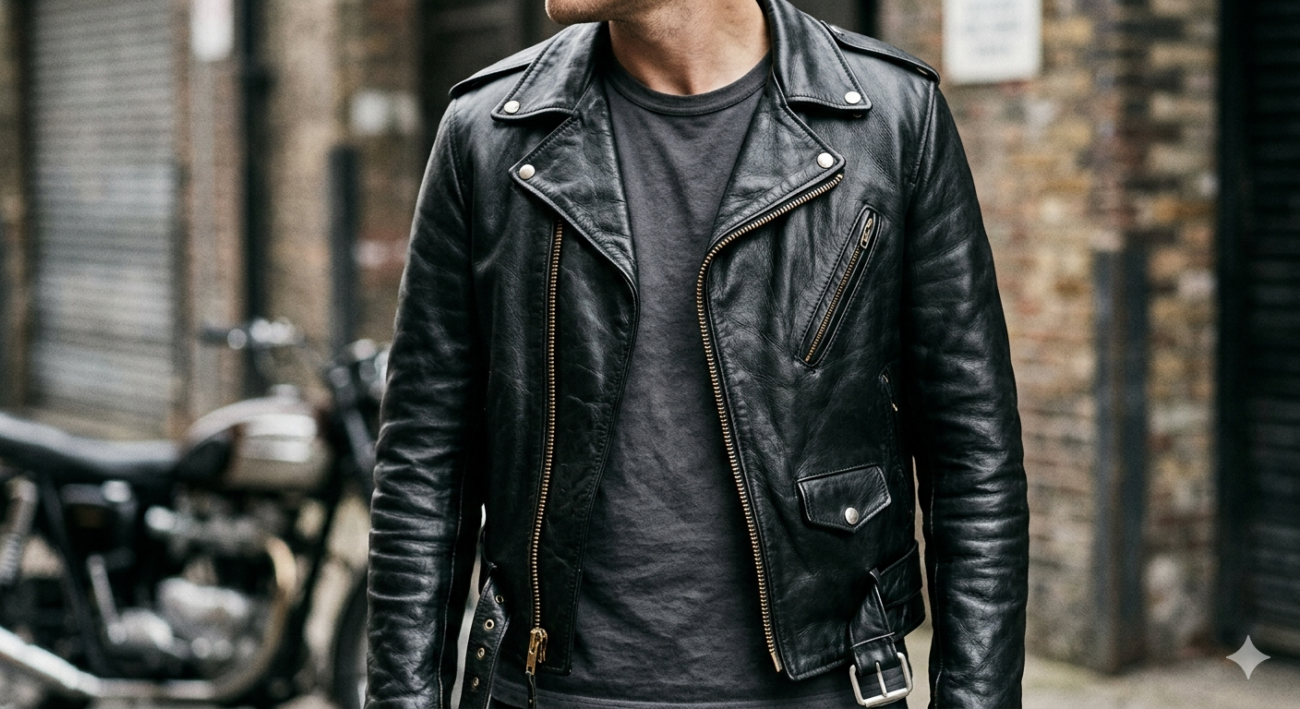
The Shoulder Seam Rule: The seam where the sleeve meets the body of the jacket must sit directly on the outermost point of your shoulder. Not hanging past it. Not sitting short of it. Directly on it. This is the single most important fit checkpoint because the shoulder seam cannot be altered without a full structural rebuild of the jacket. If the shoulders are wrong, everything else is wrong. Size accordingly.
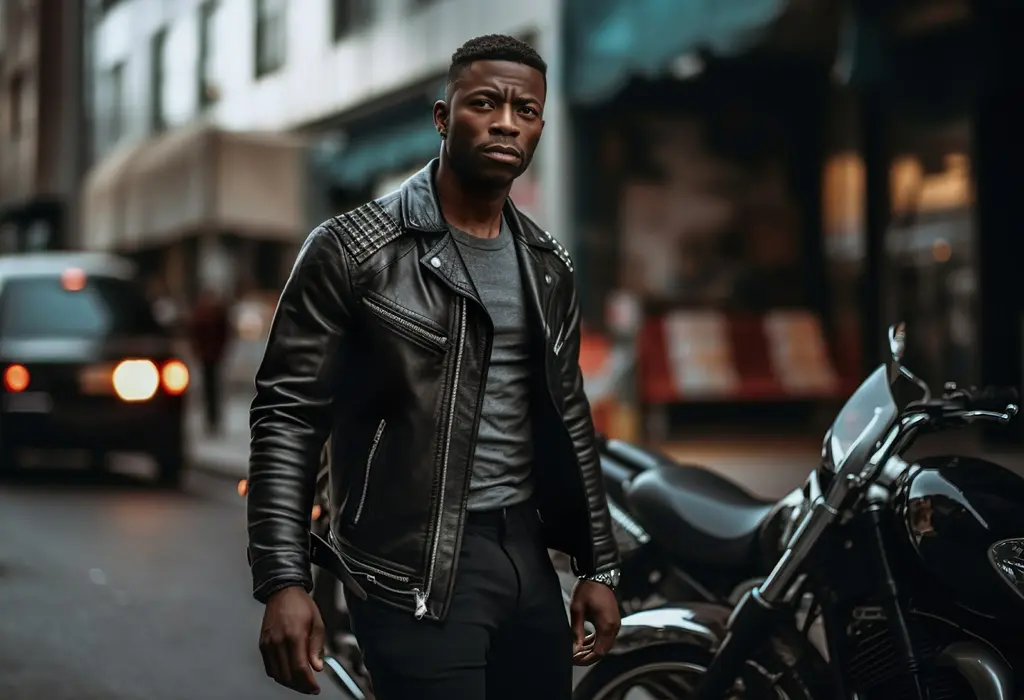
The Chest Rule: With the jacket zipped fully, you should be able to take a deep breath without feeling compressed. You should not feel the jacket pulling open at the chest or across the back when you breathe in. There should be no excess fabric bowing or sagging. The chest should feel like a firm, even hug around your torso.
The Sleeve Rule: Standing with your arms relaxed, the sleeves should extend just past your wrist bone. When you extend your arms forward as if reaching for handlebars, the cuffs should reach your wrists without pulling up. If the sleeves pull back more than an inch when your arms extend, size up in sleeve length.
The Back Movement Rule: Reach your arms forward and cross them as if hugging yourself. If you feel significant tightness pulling across your upper back and shoulder blades, the jacket is too small across the back or shoulders. A correctly fitted biker jacket allows this movement with minimal resistance. The leather will break in and soften over time, but it will not gain enough stretch to fix a jacket that starts too tight across the back.
The Length Rule: Standing upright, the hem of the jacket should sit at or just above your beltline. When seated or leaning forward, it should cover your lower back and kidneys without bunching up into your midsection or riding up above your waist.
The Layering Test: If you plan to wear a hoodie or thermal layer underneath your jacket in colder weather, try the jacket on over that layer before finalizing your decision. There should be enough room to zip comfortably over a base layer without the shoulders pulling or the chest straining. If in doubt between two sizes and you know you will layer frequently, go with the larger size. If you rarely layer, go with the smaller size for a cleaner silhouette.
The Biker Jacket Fit Guide by Body Type
Every body is shaped differently and the biker jacket cut that works for one build can undercut another entirely. Here is how to approach leather jacket sizing for your specific frame.
The Athletic Build: Broad Shoulders, Defined Chest, Narrower Waist
The athletic build is the frame the biker jacket was designed around. Broad shoulders, a defined chest, and a tapered waist create a natural V-shape silhouette that the jacket enhances rather than disguises. The challenge for this build is that the chest and shoulder measurements often pull in different directions, with the shoulders requiring a size up while the waist would prefer a size down.
The move here is to size for your shoulders and chest first, always. The jacket should sit flush across your back without pulling, and the shoulder seams must land exactly on the shoulder tip. If the waist feels slightly loose, a jacket with a buckled waist strap or adjustable side straps lets you dial in the torso fit without sacrificing the shoulder or chest room.
Slim-fit biker jackets are the natural match for this build. The tapered cut through the waist follows your natural shape and emphasises the V-taper rather than hiding it. A jacket that runs too straight through the body on an athletic build looks boxy and loses the entire visual impact of the silhouette.
Avoid oversized or boxy cuts. They swallow the very proportions that make this build work in leather.
The Slim Build: Lean Frame, Less Natural Volume
A slim build benefits from a biker jacket’s structure in a way that almost no other piece of outerwear delivers. The jacket’s rigid silhouette, asymmetric hardware, and defined lapels add visual weight and dimension to a lean frame without adding bulk. The goal here is to use the jacket’s design language to create the impression of broader shoulders and a fuller chest.
For slim builds, a standard or classic-fit biker jacket works better than an ultra-slim cut. An ultra-slim jacket on a lean frame can emphasise narrowness rather than balancing it. A standard fit with a slight waist taper creates the appearance of more body mass through the chest and shoulders while still holding a clean, sharp line.
Look for jackets with hardware details on the shoulders and lapels. Epaulettes, asymmetric zippers, and wide lapels all add visual mass to the upper body and create breadth where a slim build might want more presence.
Avoid jackets that are too long. Extra length on a slim frame can make the torso look narrower and the legs shorter. A jacket that hits at the beltline or just above creates the best proportional balance for a lean build.
The Stockier or Broader Build: Wider Chest, Fuller Torso
For broader or stockier builds, the priority in the biker jacket fit guide shifts from creating shape to managing proportion. The jacket should provide enough room across the chest and torso for comfortable movement without adding unnecessary visual width.
Look for biker jackets that run with a straight cut through the body rather than an aggressive taper at the waist. A tapered waist on a broader build creates tension and compression that reads as tight even when the chest measurement is technically correct. A straight or minimally tapered torso gives the jacket enough room to sit cleanly without pulling.
Minimalist hardware design works in favor of this build. Fewer zippers, fewer panels, and cleaner lines across the chest streamline the silhouette rather than adding visual complexity. A clean, well-fitted jacket in a dark hide reads as sleek and commanding on a broader frame.
Avoid double-breasted or heavily paneled designs that add layering and visual bulk across the chest. The goal is a clean line from shoulder to hem, not additional layering that increases the appearance of width.
If between two sizes, go up and size for the chest and shoulder measurement first. A jacket that is slightly loose in the waist can be cinched with a waist strap. A jacket that strains across the chest or back has no fix.
The Tall Build: Long Torso and Arms
The standard sizing challenge for tall riders and wearers is a jacket that fits the chest but runs short in the body and sleeves. Standard sizes are designed around average torso and arm lengths, which typically means a rider over six feet will find the hem sitting high on the waist and the sleeves pulling back significantly when reaching forward.
Look for brands that offer tall sizing or extended sleeve options in their leather jacket sizing ranges. At Outer Edition, we offer custom fit options on every jacket in our armory so that your second skin fits your specific proportions, not a generic template.
The body length of the jacket should still hit at the beltline or just above when you are standing tall. A jacket that hits too high on a tall frame breaks the proportional balance and loses the protective coverage across the lower back. If you are above six feet, err toward a longer body length and longer sleeve option in your leather jacket sizing selection.
Avoid cropped cuts. A cropped biker jacket on a tall frame throws off the proportion of the entire silhouette, creating a top-heavy appearance that undercuts the jacket’s impact.
The Shorter Build: Compact Frame, Below Average Height
For shorter or more compact builds, the biker jacket’s natural waist-length cut is an asset. Because the jacket is already designed to hit at the beltline, it lands at a point that naturally elongates the legs and creates vertical proportion rather than breaking the body into shorter segments.
The key is avoiding anything that adds horizontal width at the bottom of the jacket. Longer cuts, extended hemlines, and heavy bottom buckles or straps all truncate the appearance of leg length and make the body read as shorter and wider than it is. A clean, standard-length biker jacket with minimal bottom detailing elongates the silhouette cleanly.
For shorter builds, the shoulder fit is even more critical than usual. A jacket with shoulder seams that overhang the natural shoulder line by even half an inch drops the perceived broadness of the shoulders and shortens the neck, creating a sunken, overwhelmed appearance. Size precisely for the shoulder. A jacket that fits the shoulder seam perfectly on a compact frame reads as intentional and sharp, not small.
How Leather Type Affects Your Sizing Decision
The hide itself plays a role in how the jacket fits on day one and how it will fit after break-in. This is one of the most overlooked variables in the leather jacket sizing process.
Lambskin is soft from the first wear. It conforms to the body quickly and has a natural suppleness that means a snug fit on day one will feel personalized and broken in within a few weeks of regular wear. If you are buying lambskin, size for a firm, snug fit from the start.
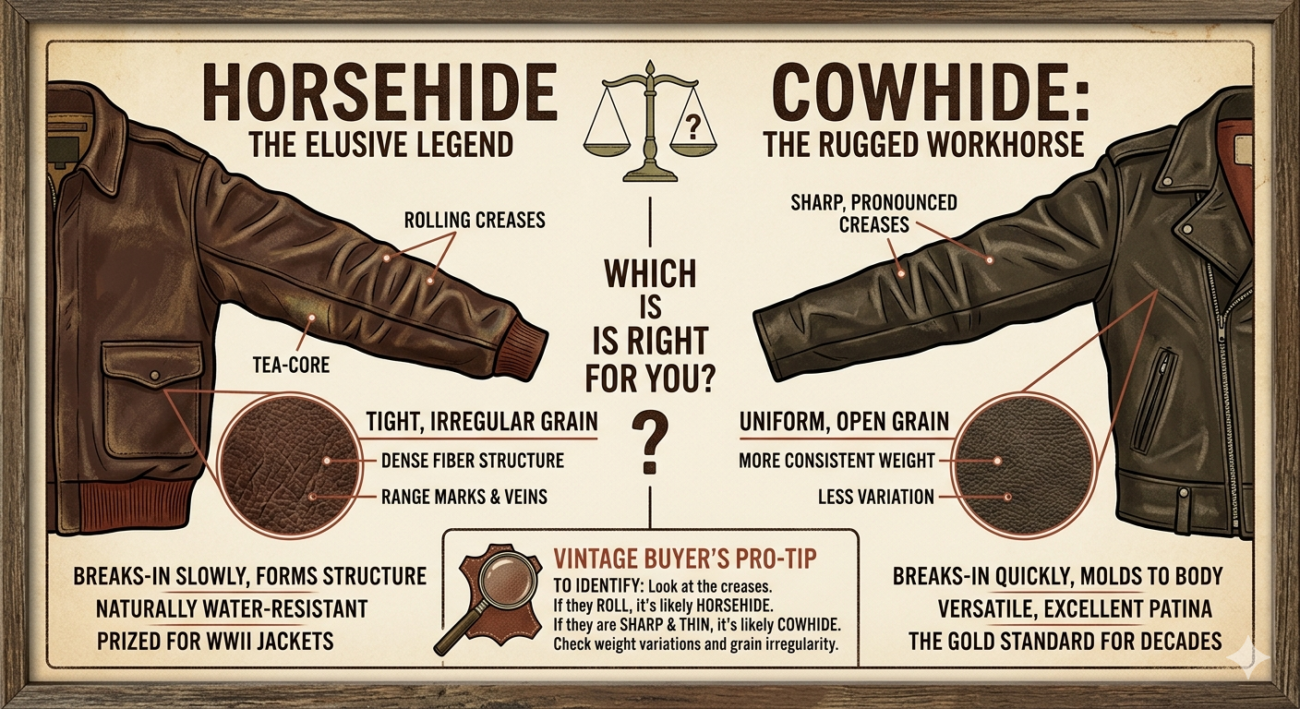
Full-grain cowhide is stiffer and takes longer to break in. A jacket that feels tight across the back and shoulders in cowhide on day one may feel constricting for the first month of wear. Account for this by ensuring the chest and back pass the movement test even on a stiff new hide. Do not size up to compensate for stiffness. The leather will soften and conform to your body over time. Sizing up creates a jacket that will only get looser, not better.
Genuine full-grain leather molds to your body over time, becoming a true second skin that tells your story in every crease and grain pattern. At Outer Edition, we use premium full-grain hides across our entire biker leather jacket armory precisely because of this quality. The jacket you buy today becomes better with every mile.
The Fit Mistakes That Kill the Look
These are the errors that show up most often and cost the most in terms of both style and function.
Going too large is the most common mistake in leather jacket sizing. Men who size up from their true measurement in the hope of comfort end up with a jacket that sags at the shoulders, bunches at the torso, and loses the entire aggressive, sharp silhouette that makes a biker jacket worth wearing. A biker jacket is not a blanket. It is armor. Size for a firm, even fit, not roominess.
Ignoring the shoulder seam is the most expensive mistake. The shoulder seam is the only measurement in the jacket that cannot be fixed by a tailor, break-in time, or any amount of adjustment. If the shoulders are wrong, nothing else can save the fit. Always check the shoulder seam first, even before the chest.
Sizing based on shirt size alone without taking measurements leads to consistent mismatches. Shirt sizes are cut for a relaxed, layered fit. Biker jackets are cut for a close, protective fit. The number on your shirt tag has no reliable relationship to your correct jacket size. Measure first, then cross-reference.
Buying too tight with the plan to stretch it out is a myth that costs riders a well-fitted jacket every time. Leather does break in and soften, but it does not gain enough stretch to fix a jacket that strains across the back and shoulders from day one. A jacket that passes the movement test snugly on purchase will become a perfect fit over time. A jacket that fails the movement test on purchase will remain a problem indefinitely.
The Outer Edition Fit Commitment
At Outer Edition, the fit is not a department. It is the entire point. Our biker leather jacket collection runs from XS to 4XL, and every design in our armory is available with custom fit and personalization options because we understand that a second skin cannot be off the rack.
Whether you are building your first moto leather jacket purchase or replacing armor that has earned its retirement, our fit guidance is built around your specific measurements, your body type, and your riding and style needs.
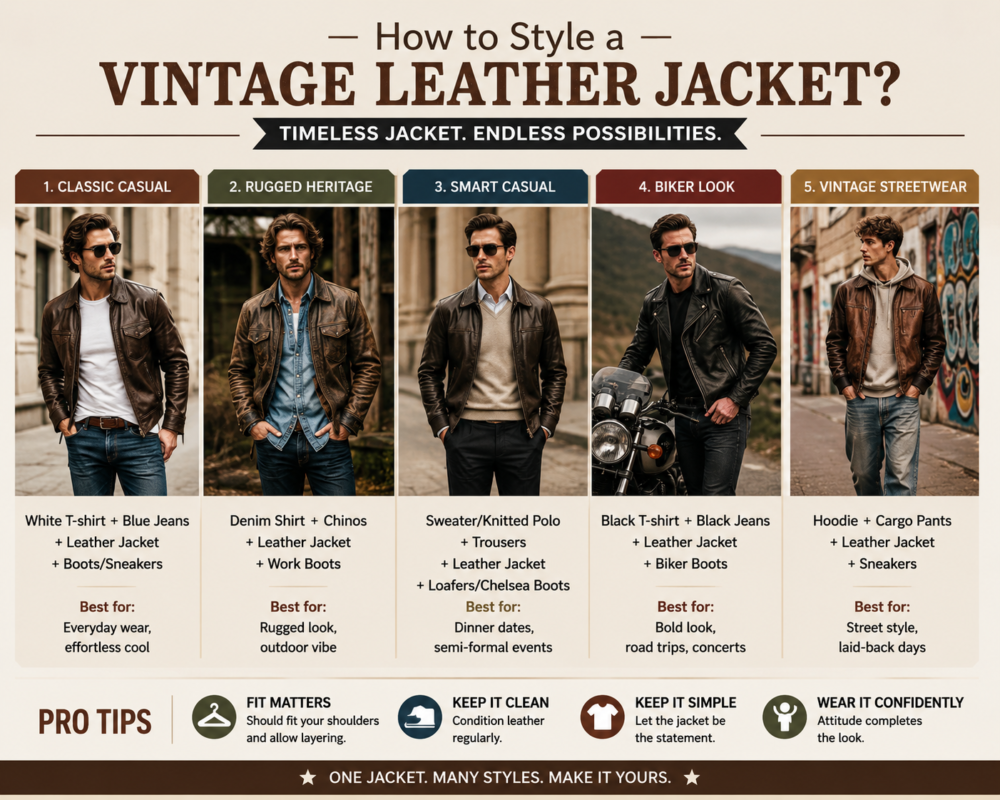
Explore our full guide on what to wear with leather biker jacket to complete your build once the fit is locked in. Browse our moto leather jacket collection for sleek, precision-cut options across every fit category. Shop the full biker leather jacket armory for every body type, every build, and every road. And for those who want heritage soul in every stitch, our vintage moto leather jacket range delivers thousand-mile character in cuts tailored to last a lifetime.
The road is calling. Get the fit right first. Everything else follows from there.
Need help dialing in your exact measurements? Contact the Outer Edition team or visit our sizing guide for a full breakdown of how to measure for the best fit leather jacket in our armory.