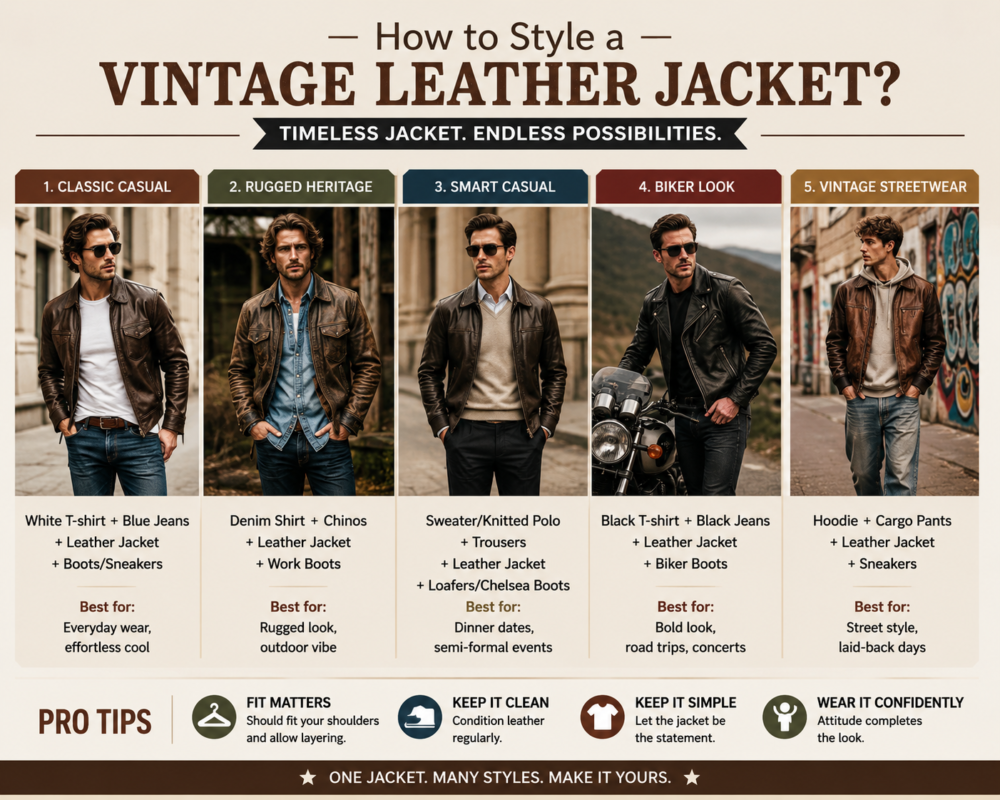
 Men’s Moto Leather Jackets
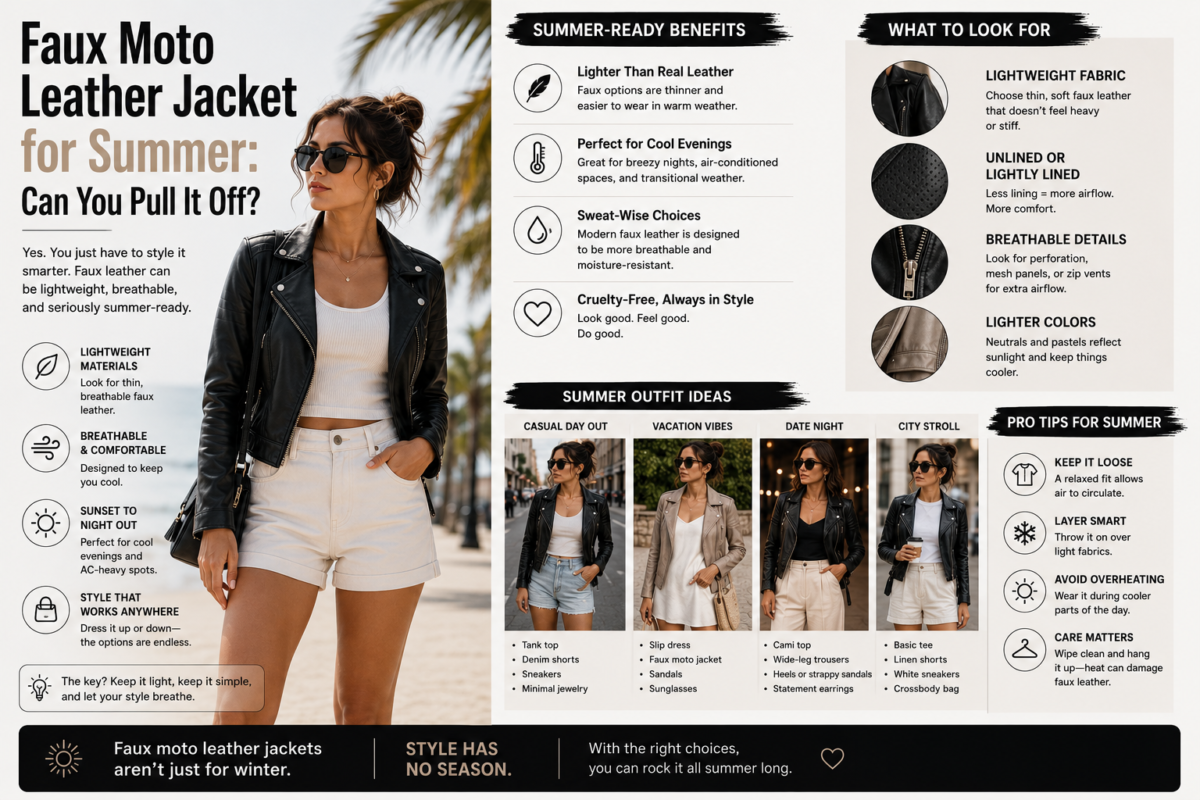
 Faux Moto Leather Jacket
 Vintage Moto Leather Jacket
 Women’s Moto Leather Jackets
 Faux Moto Leather Jacket
 Vintage Moto Leather Jacket Women
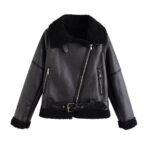 Cropped Moto Leather Jacket Women
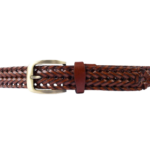 Men’s Leather Belts
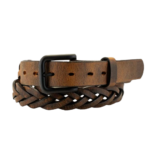 Full-Grain Leather Belt – Men
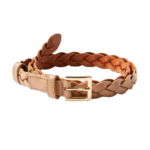 Braided Leather Belt – Men
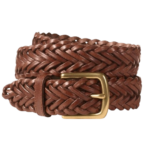 Leather Dress Belt – Men
 Leather Wallets
 Full- Grain Leather Wallets
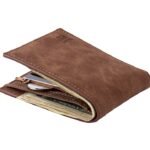 Tri-Fold Leather Wallets
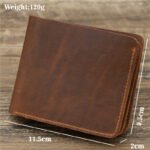 Saddleback Leather Wallets
 Moto Gloves
 Moto Heated Gloves
Is a Faux Moto Leather Jacket Actually Eco-Friendly? The Truth

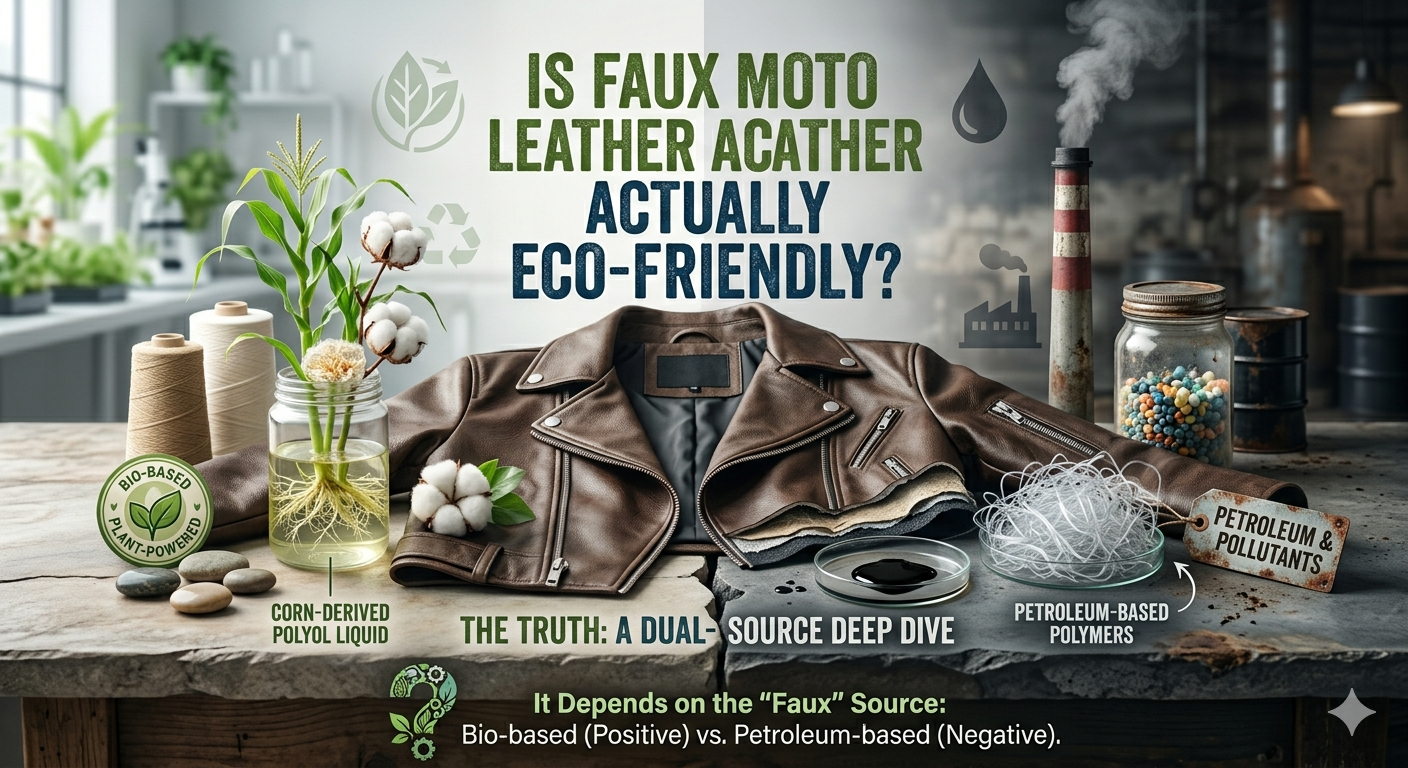
The claim that faux leather is automatically the more sustainable choice is repeated often enough that it has started to feel like settled fact. It is not. The honest answer involves tradeoffs on both sides — and the faux leather case is stronger than critics allow, but not as clean as advocates sometimes suggest.
Here is what the material science and lifecycle analysis actually support.
THE CASE AGAINST REAL LEATHER
Genuine leather is a byproduct of the meat industry, which means its environmental footprint is entangled with industrial animal agriculture. The leather tanning process is one of the more significant environmental concerns associated with the material. Conventional chrome tanning uses chromium sulfate and generates wastewater laden with heavy metals and chemicals. Vegetable tanning is slower and more expensive but has a substantially lower chemical impact. The difference between the two processes matters enormously, but most budget and mid-range leather is chrome-tanned.
Land use and methane emissions associated with cattle farming are frequently cited in lifecycle assessments of leather’s carbon footprint. These calculations are complex — leather is not the primary driver of cattle farming economics, so attributing the full environmental cost of beef production to leather is methodologically contested. But the association exists.
For a consumer who is unwilling to engage with those supply chain questions, genuine leather is a difficult material to purchase with complete confidence.
THE CASE AGAINST FAUX LEATHER
Faux leather — primarily PU leather — is a petroleum-derived material. Polyurethane is synthesized from isocyanates and polyols, which are derived from fossil fuel feedstocks. Manufacturing PU leather consumes energy and produces chemical byproducts. The material itself is not biodegradable: a PU leather jacket that reaches the end of its useful life goes to landfill and remains there for an extended period.
The microplastic concern is also real. PU leather that begins to degrade releases microplastic particles. In a landfill context, this is a contained problem. But it is a legitimate environmental concern that the faux leather industry has not fully resolved.
These are not trivial criticisms. Anyone who tells you faux leather is unambiguously eco-friendly is glossing over these issues.
WHERE FAUX LEATHER HAS THE ADVANTAGE
Despite the petrochemical origin criticism, faux leather has a meaningful advantage in the processing and finishing stages. The dyeing, coating, and finishing of PU leather generates substantially less chemical waste than conventional chrome leather tanning. There are no heavy metals involved. The wastewater profile of PU leather manufacturing is more manageable.
Faux leather also does not require animal husbandry infrastructure. Whatever the methodological debates about attributing agriculture’s environmental costs to leather, removing that link entirely is a genuine reduction in the product’s indirect footprint.
The newer plant-based leather alternatives — cactus, mushroom mycelium, apple waste — address the petrochemical criticism more directly. These materials use agricultural byproducts or rapidly renewable biomass as feedstocks, which changes the fossil fuel dependency equation. They currently represent a small fraction of the market and carry premium pricing, but the technology is maturing.
THE DURABILITY VARIABLE
One factor that does not appear often enough in faux-vs-real leather sustainability discussions is garment longevity, and it changes the calculation significantly.
A genuine leather jacket that lasts 20 years has a per-year environmental cost that is very different from a faux leather jacket that lasts 3 years. If a consumer replaces a cheap faux leather jacket every two years, the lifecycle environmental impact may exceed that of a well-maintained genuine leather jacket held for a decade.
This means the sustainability case for faux leather is most defensible when the jacket is high quality — built to last five or more years rather than treated as a disposable fashion item. A quality faux moto leather jacket with proper construction, real metal hardware, and a dense PU surface coating can realistically reach that lifespan. A poorly constructed piece with a thin surface coating will not.
THE HONEST ANSWER
Faux leather is not the environmentally perfect alternative to genuine leather. It is a different set of tradeoffs: no animal inputs, lower processing chemical load, but petroleum-derived and not biodegradable.
For most buyers, the faux leather tradeoffs are more manageable — particularly given the ongoing improvements in PU manufacturing processes and the growth of plant-based alternatives. But the case requires honesty about what the material is.
Buy a quality faux moto leather jacket that will last. Treat it well so it does. That is the most defensible sustainable choice within this category — and it also happens to produce the best jacket.
OuterEdition‘s faux moto leather jackets and vintage moto leather jacket are built for longevity: quality PU construction, solid hardware, designs that hold their relevance. Sustainability starts with not replacing your jacket every season.