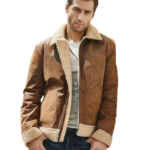
 Men’s Moto Leather Jackets
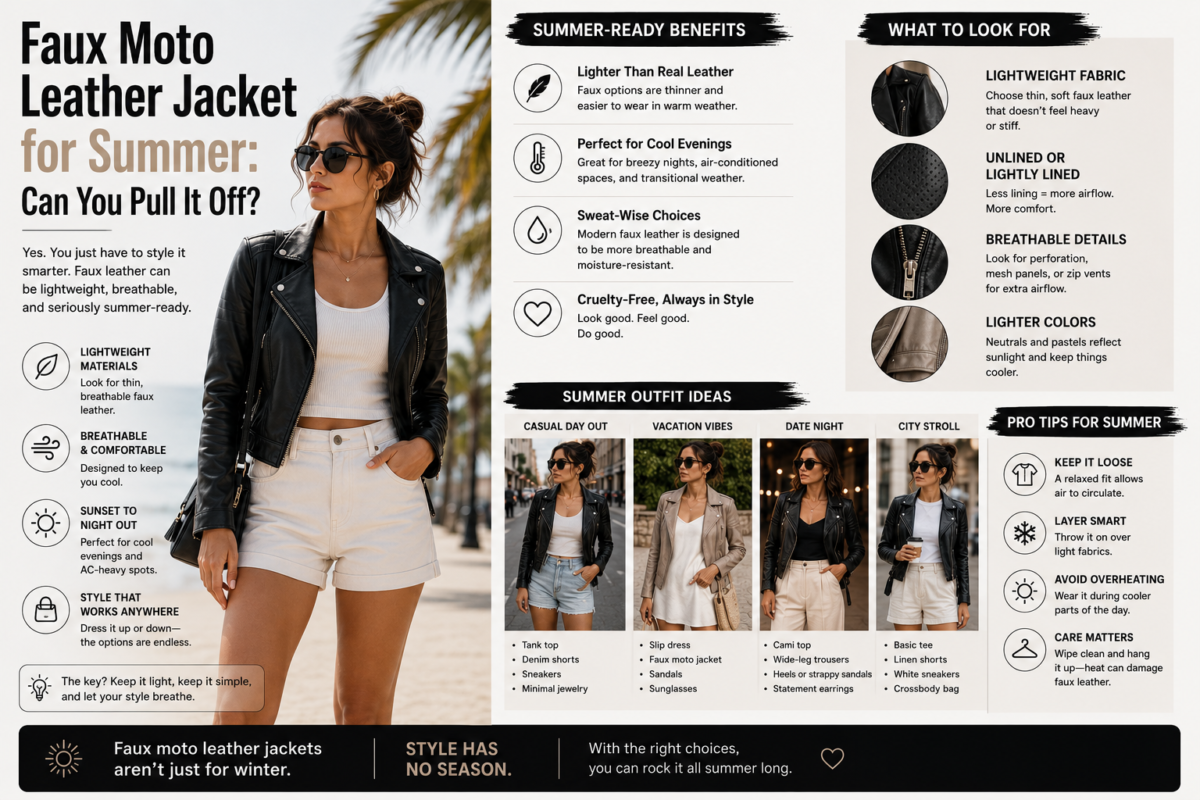
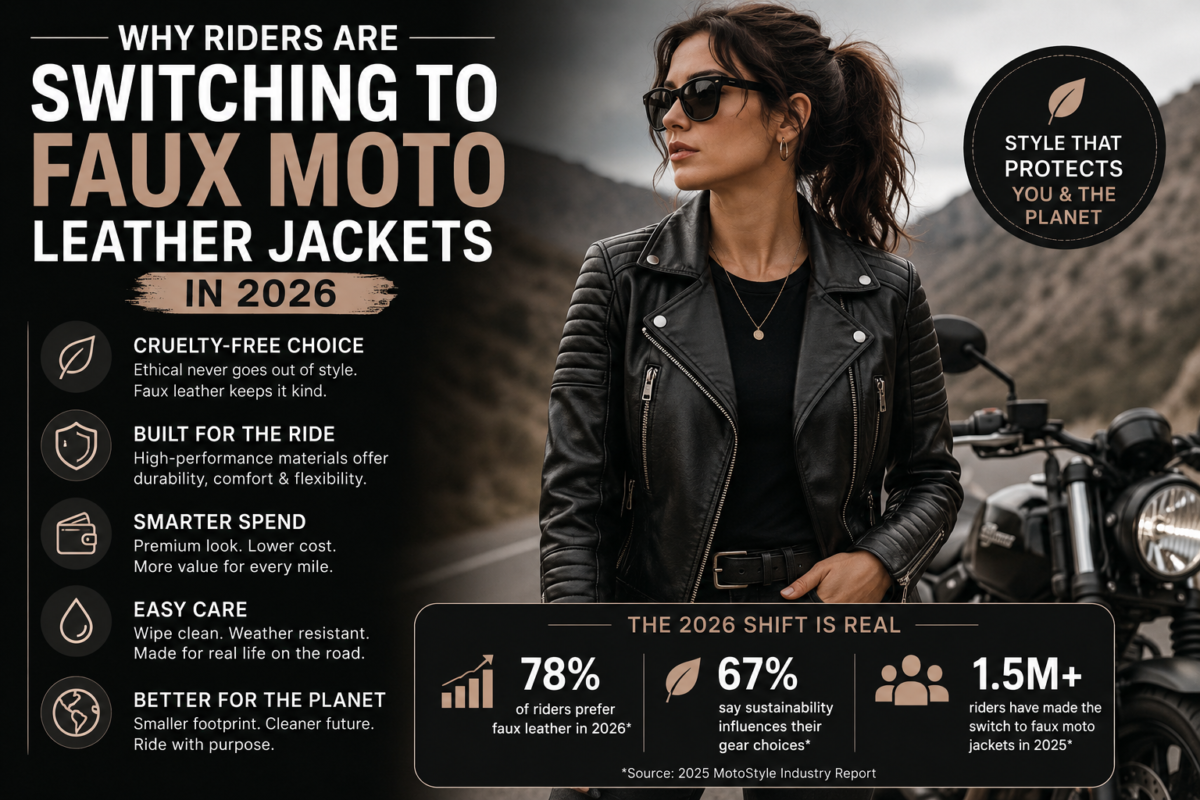
 Faux Moto Leather Jacket
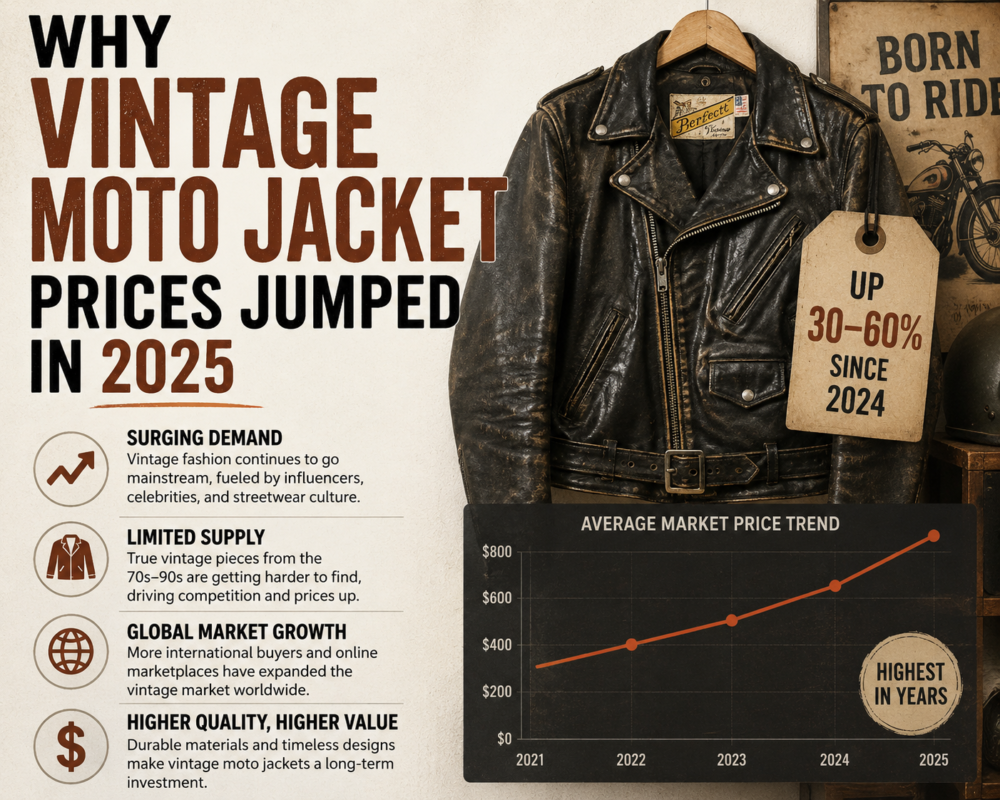
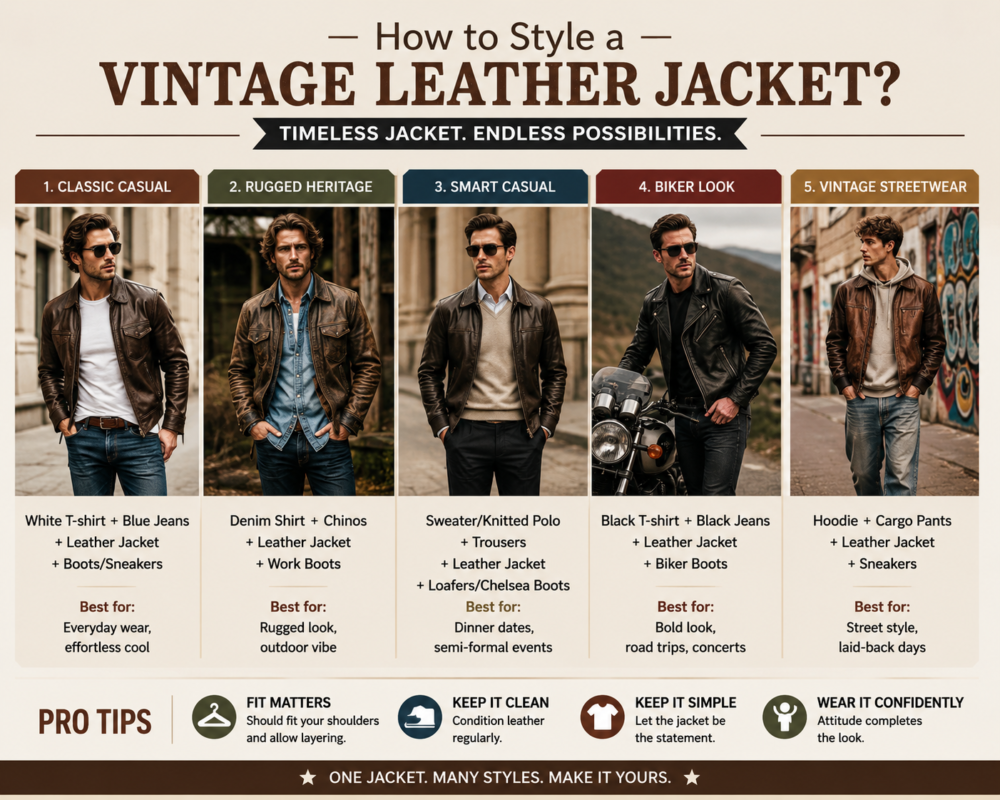
 Vintage Moto Leather Jacket
 Women’s Moto Leather Jackets
 Faux Moto Leather Jacket
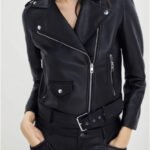 Vintage Moto Leather Jacket Women
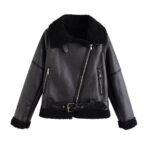 Cropped Moto Leather Jacket Women
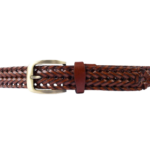 Men’s Leather Belts
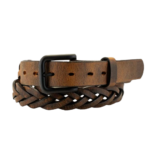 Full-Grain Leather Belt – Men
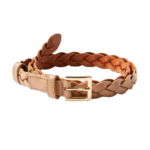 Braided Leather Belt – Men
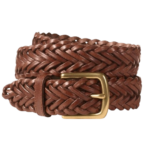 Leather Dress Belt – Men
 Leather Wallets
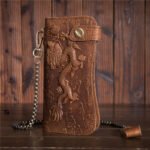 Full- Grain Leather Wallets
 Tri-Fold Leather Wallets
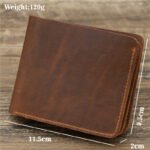 Saddleback Leather Wallets
 Moto Gloves
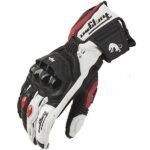 Moto Heated Gloves
Cafe Racer Jacket vs. Classic Biker Jacket: An Honest Comparison

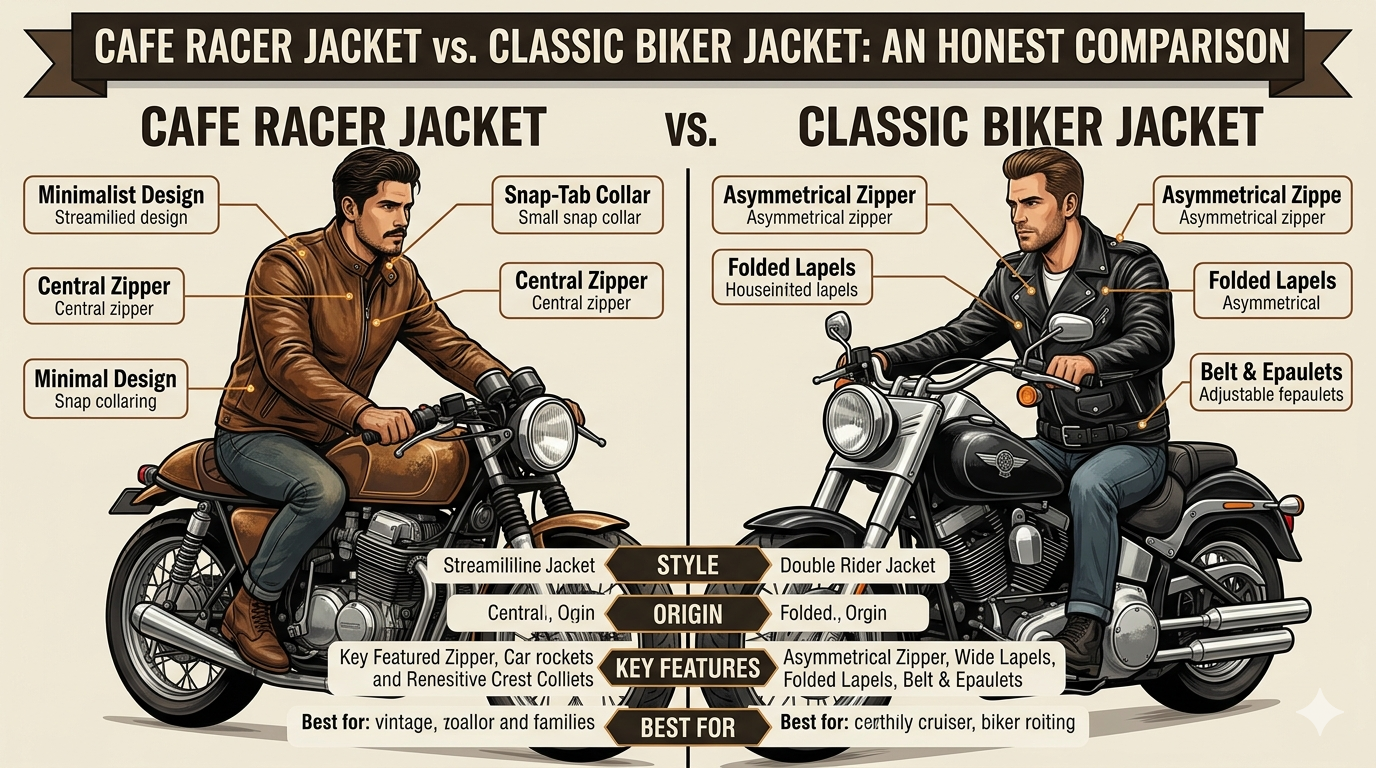
The cafe racer jacket vs biker jacket question comes up constantly — and the answers online tend to be either superficially visual (“one has a band collar, one has a lapel”) or so deep into moto subculture history that they lose anyone who just wants to know what to buy.
This is the comparison you actually need. Honest, practical, covering the real differences in construction, aesthetics, versatility, and use case — so you can make a confident decision rather than buying based on whichever style shows up in your feed more often.
—
The Origin Difference Matters More Than You Think
Understanding where each jacket comes from explains almost everything about how they look and function.
The classic motorcycle jacket types diverged from a common ancestor — the leather jacket as protective riding gear — but in different directions shaped by different riding cultures.
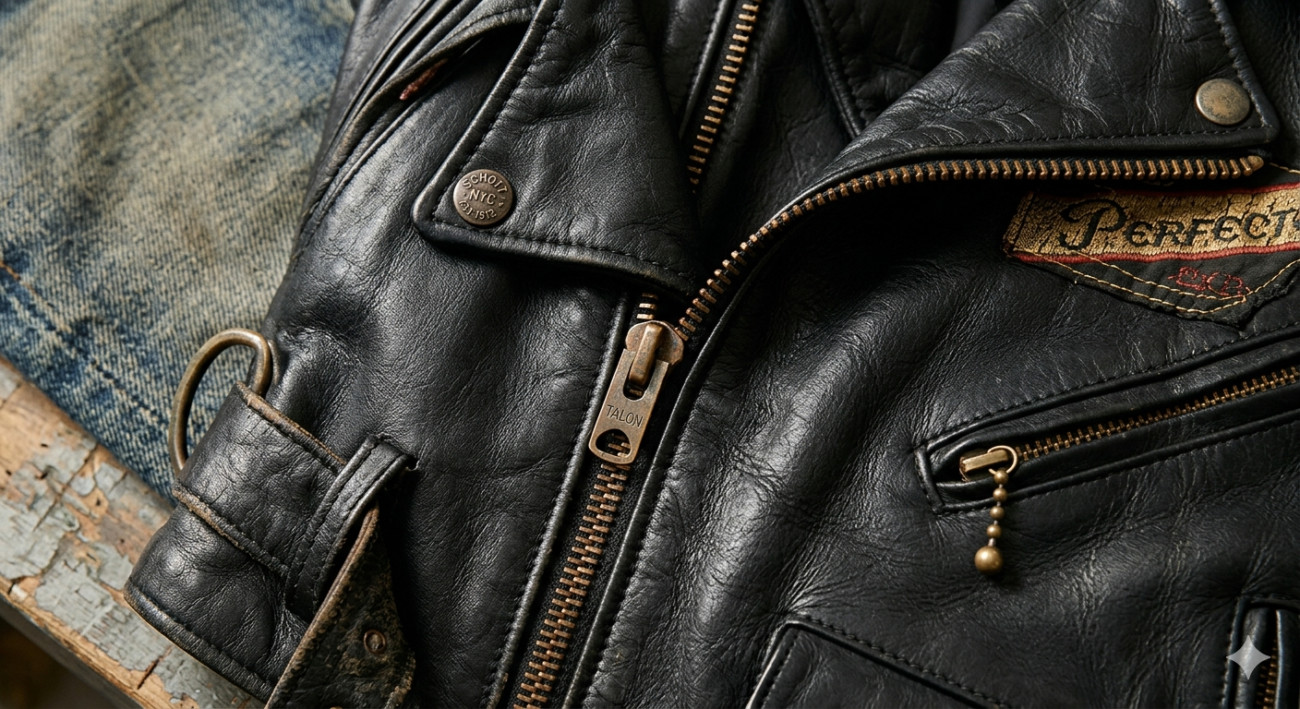
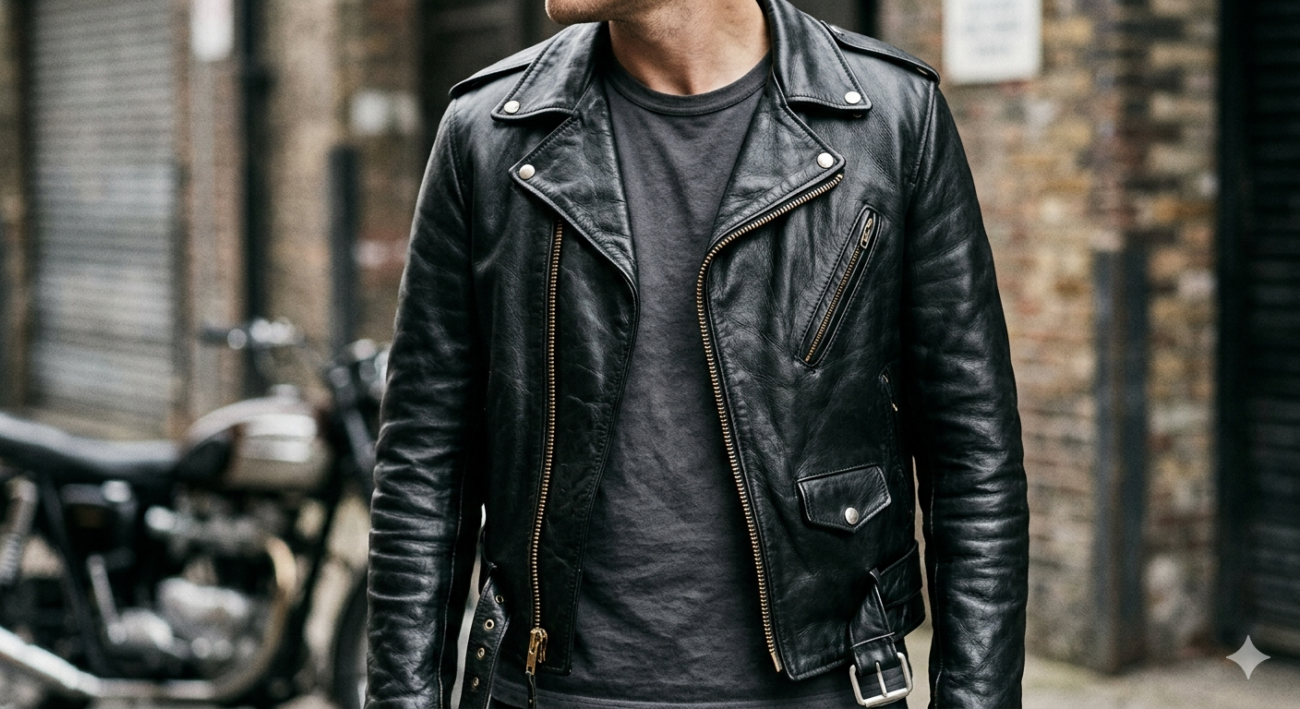
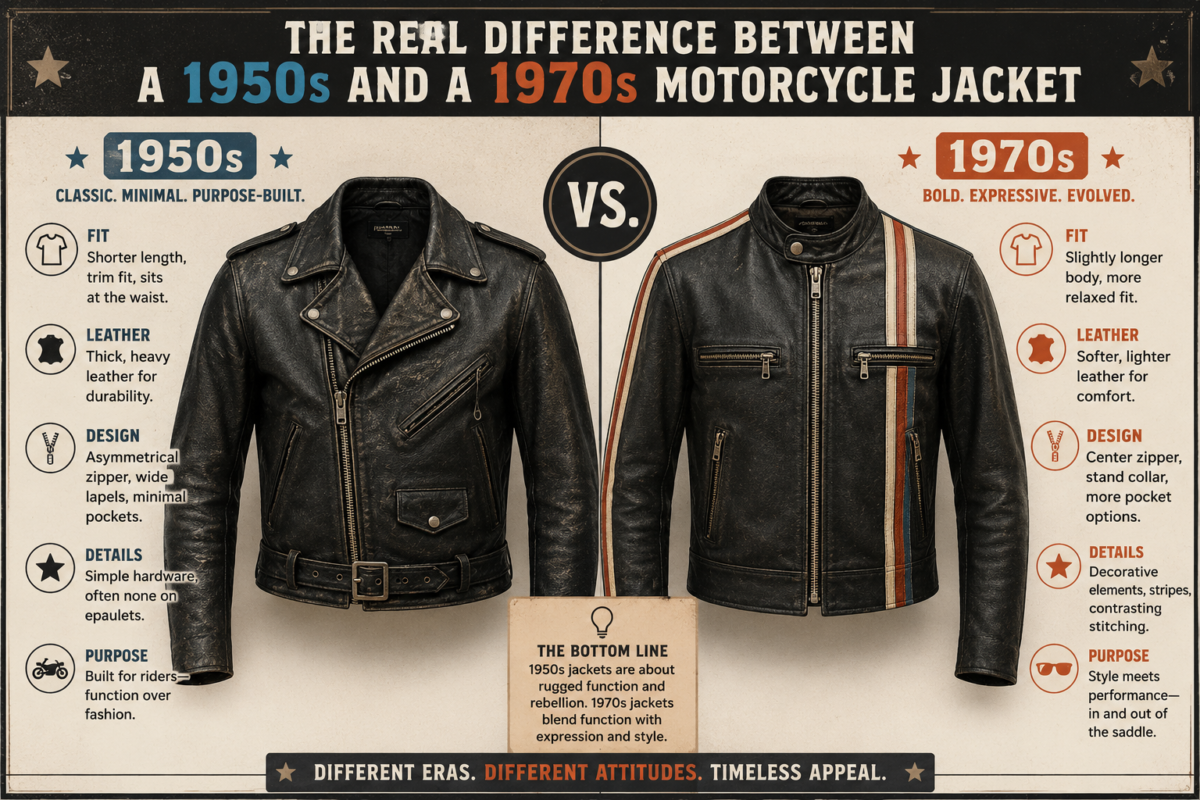
The classic biker jacket (the Perfecto/asymmetric-zip style) emerged from American motorcycle culture in the 1920s–1940s. It was designed for upright riding positions, cruiser-style bikes, and extended road use. The wide lapel, the structured shoulder, the waist suppression — all of these reflect the posture and needs of a rider sitting relatively upright on a heavy American motorcycle.
The cafe racer jacket came out of British motorcycle culture in the 1950s–1960s, specifically the “cafe racer” scene centered around riders who’d race between London cafes on high-performance European bikes. These bikes required a forward-leaning, crouched riding position. The jacket that worked for this position was shorter, with a cleaner front closure (snap or zip, no lapel), a tighter fit through the body, and minimal ornamentation that would create wind resistance or bulk.
Same function (motorcycle riding), different bikes, different postures, different resulting jackets.
—
The Visual Differences, Precisely
This is where most comparisons end, but the specifics matter when you’re buying:
Collar: The most immediately visible difference. The classic biker jacket has a wide notched lapel that folds over and creates visual weight at the chest. The cafe racer has a band collar — a simple standing collar that closes at the throat without any lapel fold. The band collar is cleaner and more minimal; the lapel is more dramatic and visually commanding.
Front closure: Classic biker jacket uses an asymmetric (diagonal) zipper — the defining characteristic of the Perfecto style. The **cafe racer leather jacket style** uses a centered front closure, typically a simple zip or a row of snaps. This centered closure reinforces the cleaner, more symmetrical aesthetic.
Silhouette: The classic biker is waist-suppressed and slightly broader at the shoulder, with the waist strap creating deliberate structure. The cafe racer is streamlined throughout — less waist emphasis, more uniform profile from chest to hip. The overall effect is flatter, cleaner, less visually aggressive.
Length: Both typically hit at the hip, but cafe racer cuts are sometimes slightly shorter — reflecting their origin in forward-lean riding positions where a longer jacket would bunch and bind.
Ornamentation: Classic biker jackets carry more hardware — the asymmetric zipper creates visual complexity, belt hardware adds further detail, epaulettes (on some styles) add structure. Cafe racers are deliberately spare. A few snaps, a simple zipper, clean leather. Nothing extra.
—
Aesthetic Comparison: Different Registers of Cool
This is subjective but worth addressing directly, because the aesthetic you’re projecting matters.
The classic biker jacket reads: rebellion, edge, rock and roll, deliberate statement. When you put on a Perfecto-style jacket, you’re referencing 70+ years of iconography — Brando, the punk scene, Joan Jett, generations of people who wore the jacket as a declaration. This is not a neutral aesthetic. It has weight and history.
The cafe racer jacket reads: refined, understated, classic-cool without announcement. It’s the jacket of someone who knows what they’re doing without needing to signal it loudly. The British racing heritage is present but not front-and-center. It works in contexts where the classic biker jacket feels too aggressive.
Neither of these is better. They’re different tools. A person who wants to project something specific with their outerwear should choose accordingly.
—
Versatility: Which One Wears More Places?
This is where opinions diverge and experience matters.
The cafe racer jacket is widely considered the more versatile piece — it integrates more quietly into a broader range of outfits and settings. Over a dress shirt, it reads as smart-casual without the rebellious undertone. With tailored trousers, it works in contexts where a classic biker jacket would feel overdressed in the wrong direction. The minimal front and band collar don’t compete with what’s underneath.
The classic biker jacket is simultaneously harder to wear (its weight as a statement piece requires commitment) and more iconic when it works. The contexts where a Perfecto-style jacket is the perfect choice — the contexts where no other jacket would do what it does — are specific and irreplaceable. Date night, live music, any situation where you want the jacket to do some work. It’s a more dominant piece in the outfit equation.
If you’re buying one leather jacket and want maximum situational coverage, the cafe racer has the edge on versatility. If you’re building a leather jacket wardrobe and want the piece that delivers the highest ceiling in the right context, the classic biker wins.
You can compare cafe racer leather jackets and classic biker jackets side by side to see the silhouette differences in practice.
—
Fit Considerations for Each Style
Both jackets reward close fit, but in slightly different ways.
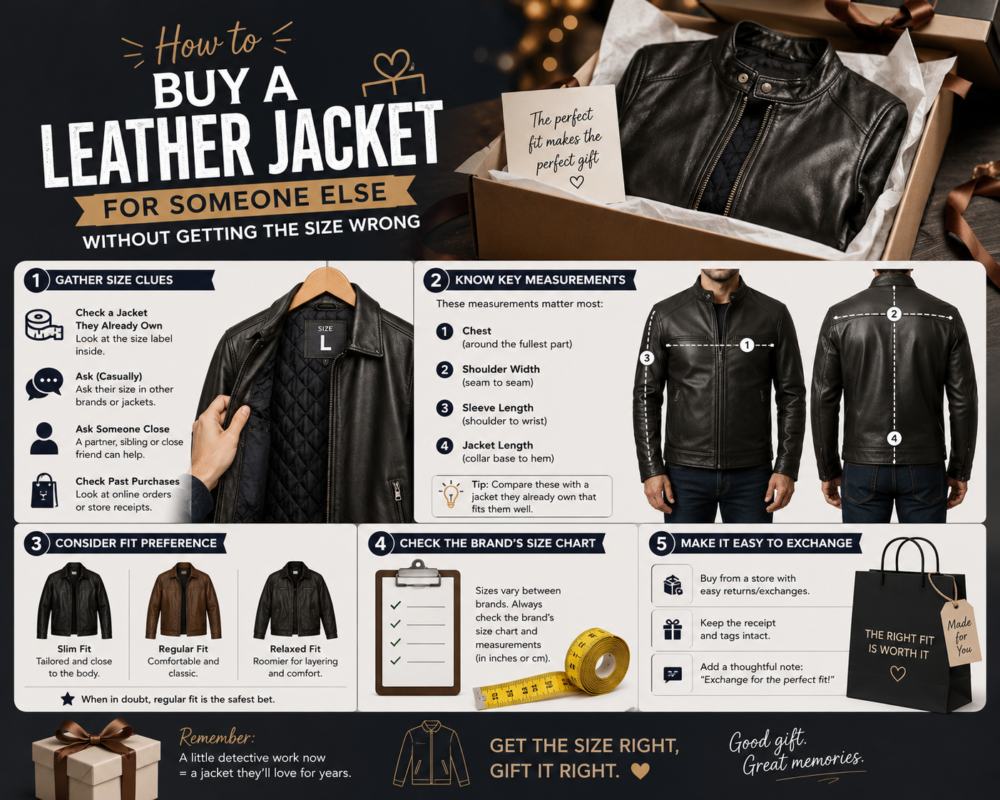
Classic biker jacket fit: The shoulder seam sits right at the edge of the shoulder joint. The chest is close without constricting. The asymmetric zip creates a specific drape at the chest when open. The waist strap cinches to create the silhouette. The jacket should feel structured and present — not like a garment you disappear into.
Cafe racer fit: Also close, but the lack of lapel and waist structure means the fit shows more obviously in the chest and back. There’s no hardware to distract from the leather itself, so a cafe racer that’s slightly too big or too small is immediately visible. The collar should close cleanly at the throat without pulling; the back should be smooth without excess fabric.
Both styles benefit from trying multiple sizes if possible, because the close fit is integral to the aesthetic in both cases.
—
The Practical Recommendation
Here’s where it lands:
If you already own a classic biker jacket and are adding a second leather piece: get the cafe racer. The two styles complement each other without overlapping — different registers for different days.
If you’re choosing between them as your only leather jacket: think about the contexts you’re actually dressing for. More formal or mixed-register occasions lean toward the cafe racer. A wardrobe that trends casual-cool and you want to add presence? Classic biker.
If you genuinely can’t decide: buy the classic biker jacket first. The moto jacket silhouette comparison between the two will feel more satisfying once you understand the asymmetric zip as a lived experience. Many people who start with the cafe racer end up circling back to the Perfecto-style jacket anyway.
Shop Outer Edition’s motorcycle jackets and filter by style to compare both categories across the same quality and construction standards — the right choice becomes clearer when you’re comparing apples to apples.